Blog
How to Choose the Right Router Bit: Key Factors for Woodworking Projects

A wood router is one of the most versatile and powerful rotary tools for modern woodworking. It can groove, trim edges, shape profiles, make joints, and carve with precision. However, the final cut quality, machining accuracy, and project finish depend heavily on the matching router bits. With hundreds of router bit types available on the market, each with distinct functions and structures, many woodworkers—especially DIY beginners—struggle to pick the right bit for a specific project.
A mismatched router bit causes rough cuts, wood burning, unstable machining, and even material waste or tool damage. To help users make accurate, cost-effective choices, this guide explains the core selection factors for wood router bits. We cover bit types, project matching, blade materials, shank sizes, and cutting sharpness. This professional framework works for both daily DIY work and professional manufacturing.
Choose Router Bits by Functional Type
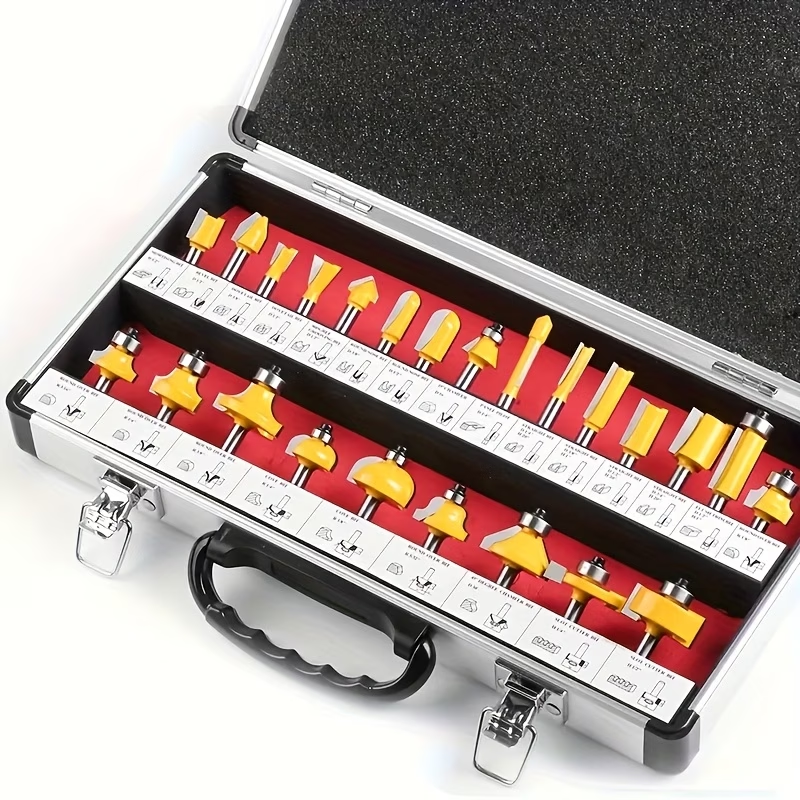
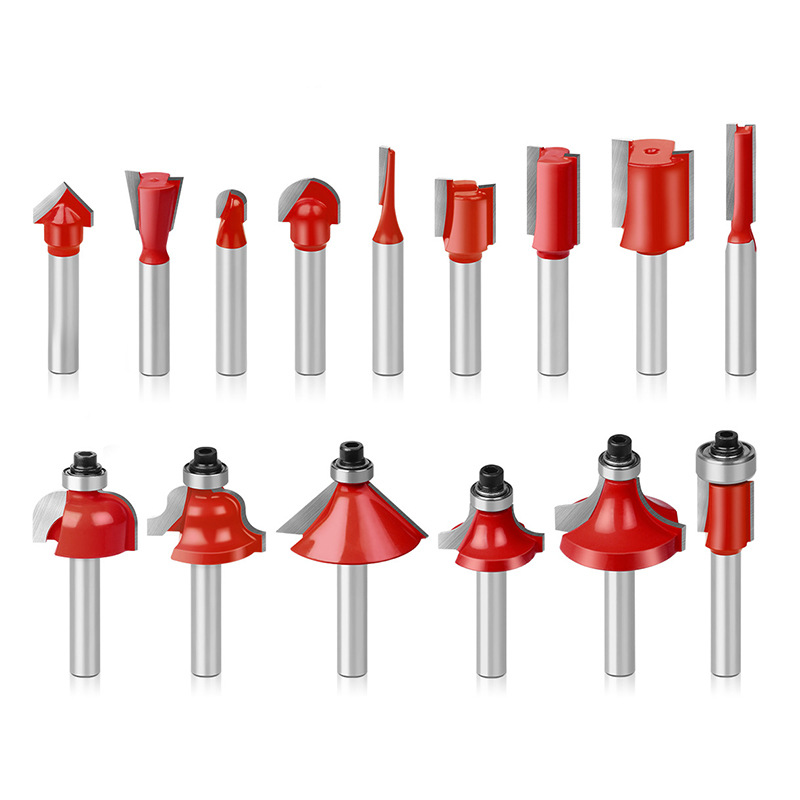
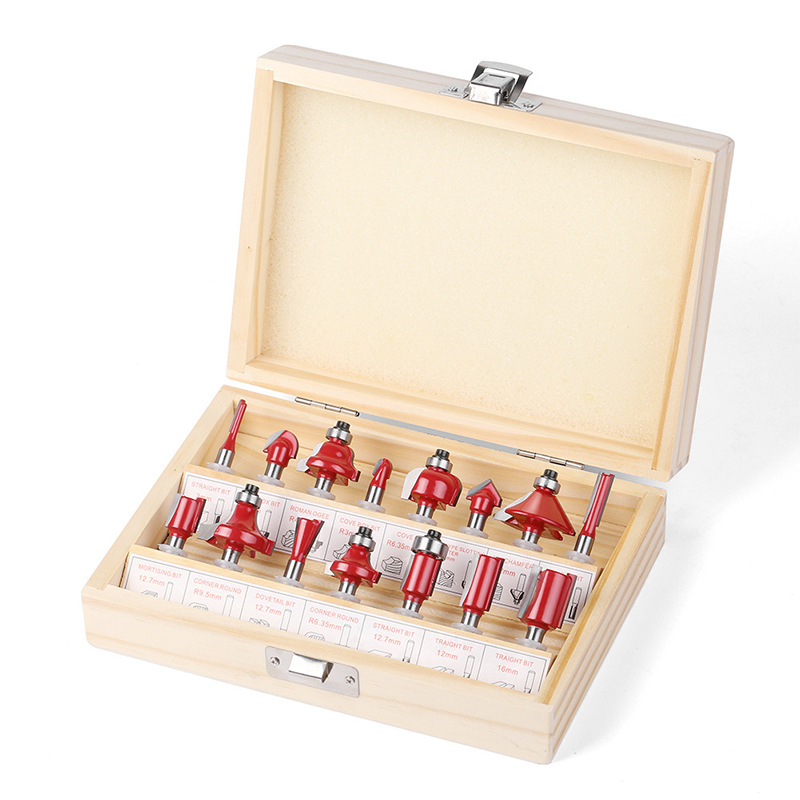
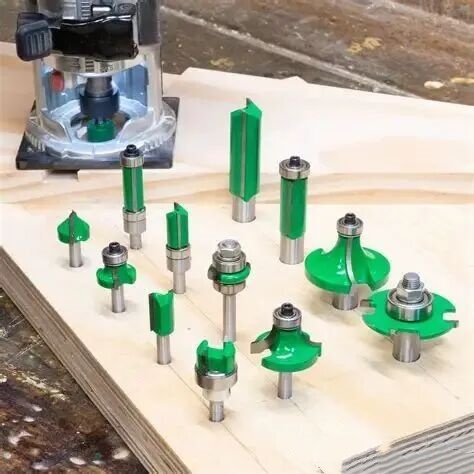
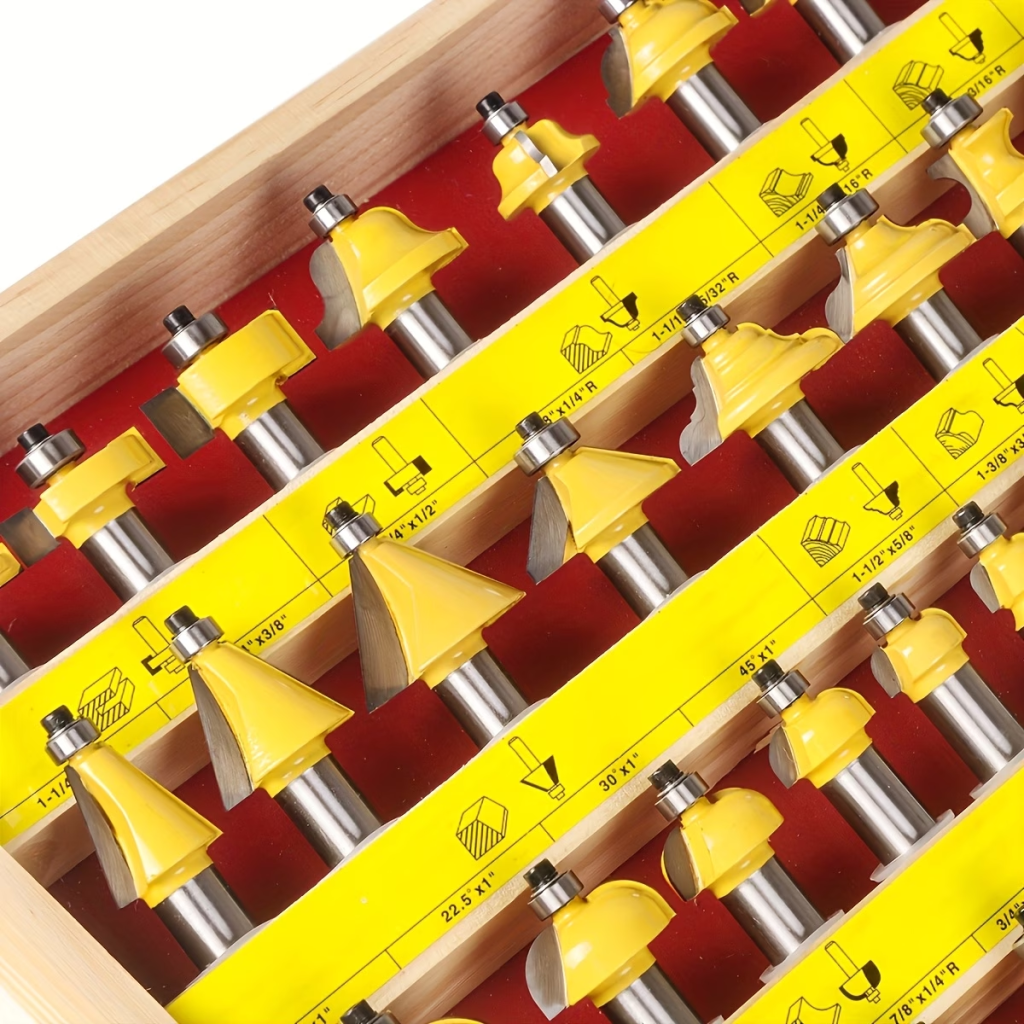
Different router bits are designed for specific woodworking processes. Clarifying the functional classification is therefore the first step for accurate selection. Selecting among so many router bit types can feel overwhelming, but a clear process simplifies it. Common router bit types include straight bits, flush trim bits, groove bits, chamfer bits, edge profile bits, stile and rail bits, panel bits, and joinery bits. Each category has unique structural designs and applications, as explained below.
Straight Bits
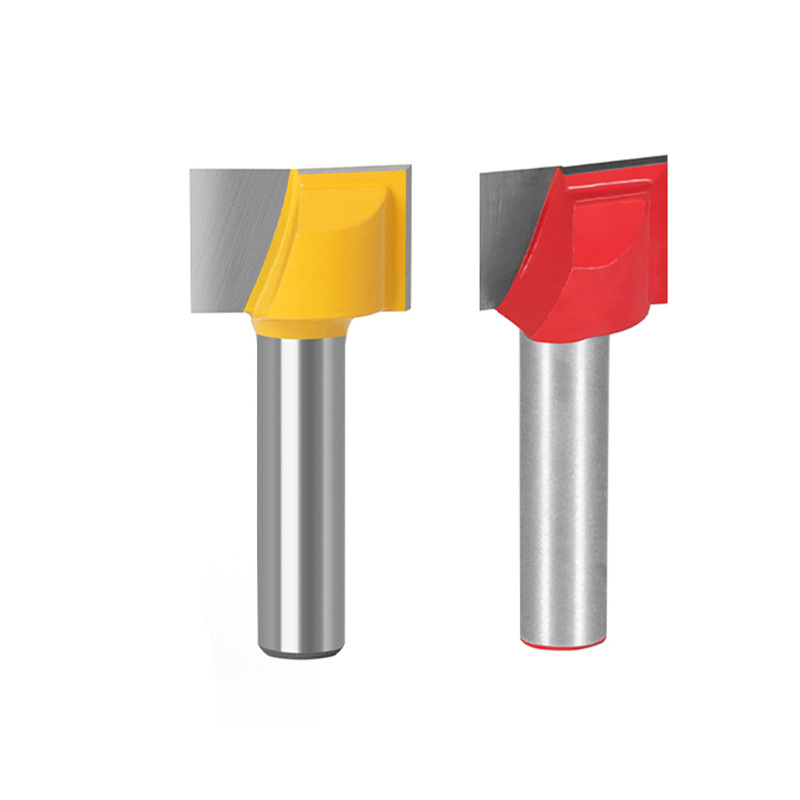
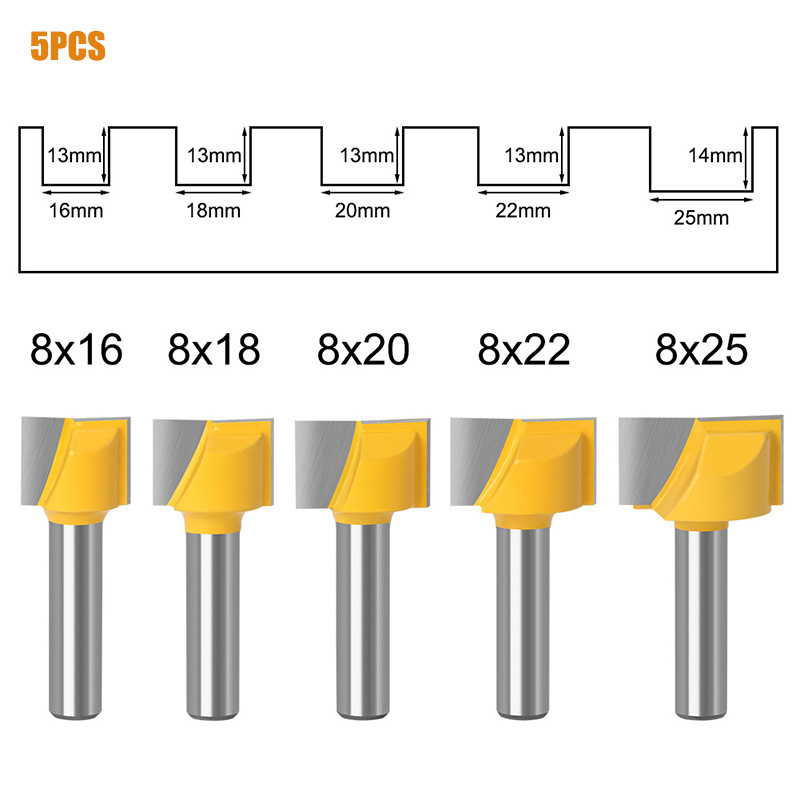
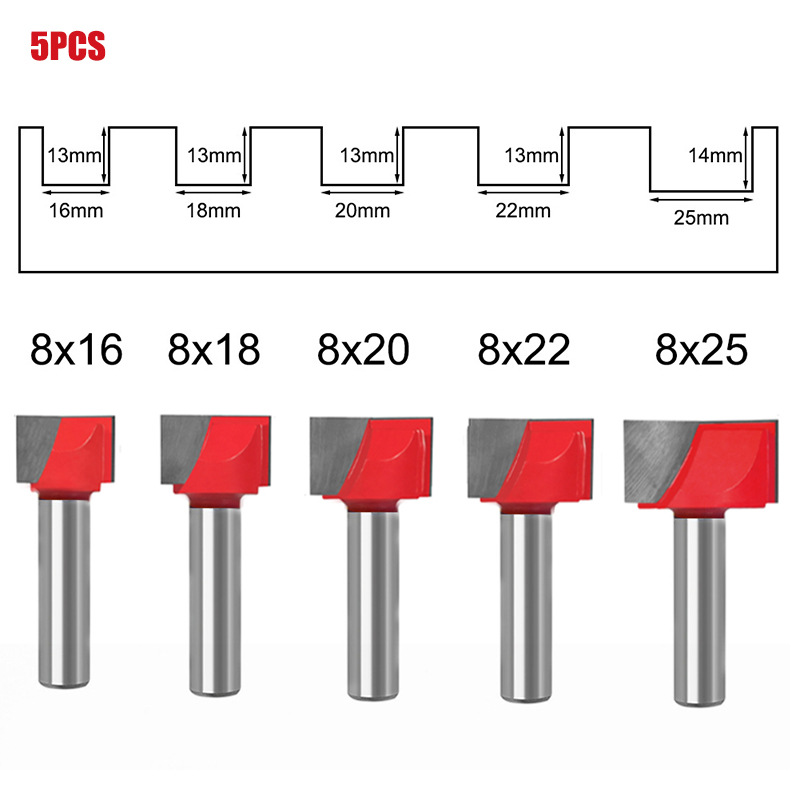
As the most universal and essential router bit, straight bits are widely used for grooving, dado cutting, hollowing, and mortise making. Their diameter ranges from 3/16 inch to 1.5 inches, covering most conventional flat cutting needs. With straight parallel cutting edges, these bits carve standard grooves and embedded slots on wood, serving as the basic tool for cabinets, frames, and structural grooving.
Flush Trim Bits
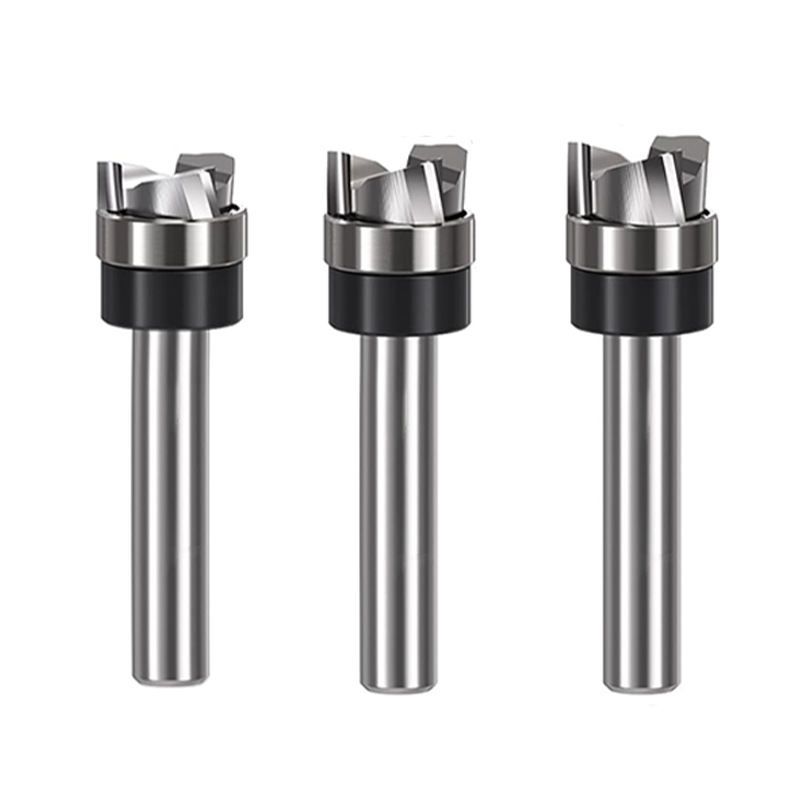
Equipped with precision guide bearings, flush trim bits realize synchronous positioning and cutting. The bearing fits the material edge, guiding the cutter to trim redundant veneers, overlays, and board margins to a flush state. They are commonly used for veneer finishing, shelf edge sizing, and template copying, ensuring consistent, flat wood edges.
Groove & Rebate Bits
Groove and rebate bits cut uniform shoulders and notches on wood edges. Supported by replaceable guide bearings, a single bit completes multiple groove sizes by swapping bearings. Consequently, this flexible design improves tool utilization, making these bits ideal for batch production of standardized grooves in furniture.
Chamfer Bits
Chamfer bits deburr right-angle edges and create decorative beveled edges. They polish damaged, uneven wood edges to restore flatness while producing neat miter edges for splicing structures. Widely applied in furniture edge finishing, they avoid sharp corners and improve product safety and aesthetics.
Edge Profile Bits
Dedicated to decorative edge shaping, edge profile bits offer diverse contours to enrich wood surfaces. Common types include roundover bits for circular arcs, Roman S bits for elegant S-curves, quarter-round bits for semicircular edges, and cove bits for concave profiles. These bits suit table edges, cabinet edges, and craft decoration.
Large Scale Molding Bits
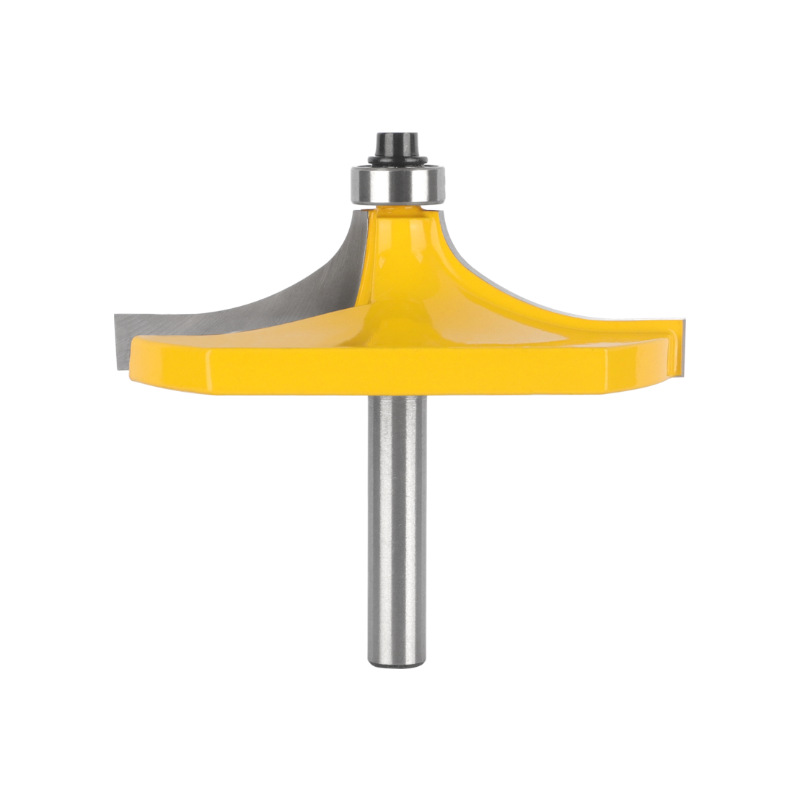
Molding bits are enlarged profile bits that integrate multiple complex contours. They are tailored for architectural decoration and high-end furniture molding. Due to their large diameter and high stability needs, molding bits suit bench-mounted routers for large-area, high-precision machining.
Stile and Rail Bits
Stile and rail bits build door frames and panels. The matching set cuts standard grooves on vertical stiles and matching notches on horizontal rails, enabling precise assembly of door and cabinet frames. Available as single-bit or combined dual-bit sets, they meet batch and custom production needs.
Raised Panel Bits
Divided into vertical and horizontal types, raised panel bits shape three-dimensional door panels. Vertical bits have small diameters for safe vertical clamping. Horizontal bits use large diameters and need bench routers for flat placement cutting, creating exquisite raised panel contours for doors and decorative panels.
Joinery Bits
Joinery bits handle precise wooden connections for furniture structures. Mainstream types include dovetail bits, drawer lock bits, finger joint bits, and miter lock bits. They create tight, firm, and beautiful joints for drawers, coffee tables, and frames, improving both stability and grade.
Match Bits According to Woodworking Project Type
The project type directly determines the required router bit combination. Simple grooving and trimming need only basic straight and flush trim bits. For edge beautification and craft decoration, edge profile and chamfer bits are essential. For door frames, cabinet panels, and structural assembly, stile and rail bits, raised panel bits, and joinery bits are indispensable. Targeted selection avoids tool redundancy and insufficient capability, maximizing efficiency.
Router Bit Material Selection: HSS vs Carbide-Tipped
Router bit material determines durability, heat resistance, impact resistance, and long-term cost. Almost all commercial bits fall into two categories: high-speed steel (HSS) and carbide-tipped steel, with distinct uses.
HSS (High-Speed Steel) Bits
Made of high-quality carbon steel, HSS bits show excellent heat resistance and toughness, resisting blade curling during intermittent cutting. They are cost-effective and tolerate improper operation and harsh environments. Thus, HSS bits are the best choice for beginners and occasional DIY, reducing replacement costs from accidental misuse.
Carbide-Tipped Bits
Carbide-tipped bits include integral and welded designs. Boasting ultra-high hardness, they keep long-term sharpness during continuous cutting, reducing sharpening frequency. Ideal for mass production, they improve consistency and efficiency. However, carbide is brittle; dropping or violent cutting causes chipping. Although priced higher, their long life brings better cost performance for professionals.
Shank Size Matching: 1/4" vs 1/2"
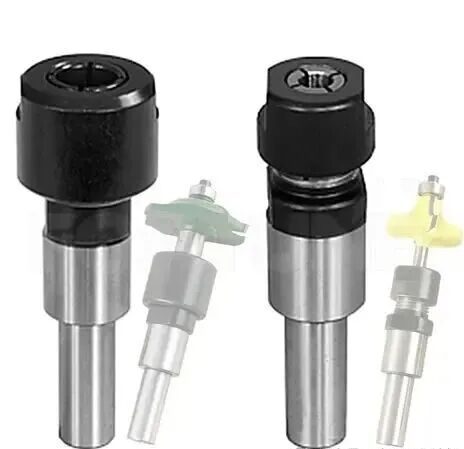
The shank is the cylindrical clamping part, and its size must match the router collet. The two standard sizes are 1/4 inch (6.35mm) and 1/2 inch (12.7mm). Many routers have interchangeable collets, while some compact handheld routers support only 1/4-inch shanks.
1/4-inch shank bits are lightweight and cheap, suitable for beginners and fine work. However, the thin shank vibrates slightly at high speed, reducing precision. In contrast, 1/2-inch shank bits have stronger rigidity, suppress vibration, and improve clamping stability. They suit deep grooving, large shaping, and long professional runs. Confirm the collet spec first to avoid mismatched bits.
Cutting Sharpness & Repairability
Bit sharpness affects cutting quality and safety. Dull bits create friction, causing wood burning, fuzzy burrs, and uneven surfaces that need rework. Blunt bits also raise motor load and kickback risk.
High-quality new bits are factory sharpened with smooth edges. Besides initial sharpness, prioritize bits with good re-sharpening performance. Bits that support repeated professional or manual sharpening keep stable performance, extend service life, and lower long-term costs—an important indicator of high-cost-performance Router Bits.
Conclusion
Scientific selection needs comprehensive consideration of function, project type, material, shank, and sharpness. Basic HSS straight and trim bits meet daily DIY needs, while carbide-tipped profile and joinery bits suit professional high-frequency work. Reasonable shank matching improves efficiency and quality while reducing tool loss and hazards. By following this framework, woodworkers of all levels can avoid blind purchasing and achieve stable, high-quality results.
Frequently Asked Questions
Q1: What are the most essential router bits for beginners?
A1: Beginners can start with basic straight bits, flush trim bits, and chamfer bits, which cover most daily grooving, trimming, and edge finishing needs with high cost performance.
Q2: Which is better, HSS or carbide router bits?
A2: HSS bits are tough, affordable and suitable for occasional DIY use; carbide-tipped bits are wear-resistant and sharper, ideal for professional long-term continuous processing.
Q3: What is the difference between 1/4" and 1/2" router shanks?
A3: 1/4-inch shanks are lightweight and cheap for fine cutting; 1/2-inch shanks are more stable with less vibration for high-precision and heavy-duty processing.
Q4: Why does wood burn during router cutting?
A4: Dull cutter edges, mismatched bit types, improper feeding speed, and excessive cutting depth are the main causes of wood burning and fuzzy cuts.