Blog
How to Select Cylindrical Plain Milling Cutters: HSS Shell-Type with Helical Flutes

Choosing a cylindrical plain milling cutter is not the same job as choosing a router bit, although both look like a simple diameter decision. Faced with dozens of sizes from 63×45×27 bore to 100×160×40 bore, plus 8-tooth and 10-tooth options in coarse and fine pitch, new machinists often look only at tool material. They overlook flute geometry, tooth count and overhang rigidity, yet those factors dominate machining stability. This article breaks down the core parameters of HSS shell-type cylindrical milling cutters, the configuration logic for real working conditions, the clamping and operating habits machine shops adopted in 2026, and a ready-to-use selection checklist.
Choosing these cutters is never only about picking high-speed steel. The real keys are whether the shell body matches your spindle, whether the helix angle suits the workpiece material, and whether the tooth pitch fits your feed rate and chip evacuation. Together, those three factors decide cutting smoothness, surface finish and controllable tool life. Woodworkers face a similar decision, though their choice usually starts with a router bit rather than a milling cutter, and that difference matters.
What Are the Core Components of HSS Shell-Type Cylindrical Plain Milling Cutters?
Four coordinated parameter groups define every cutter: tool body structure (shell or solid shank), substrate grade (general HSS such as W18Cr4V), geometric features (helix angle, rake angle, tooth count), and dimensional specs (outer diameter × length × bore size). Ignore none of them.
The shell-type design uses hollow cutter bodies with standard Morse taper or ISO flange interfaces. Mainstream machine tools require bore tolerance of H7 or better. Typical sizes include 63×45×27 bore and 100×125×40 bore. Strengths include high rigidity and low vibration under large overhang ratios, but you must lock the body with a matching taper arbor.
Helical flutes govern chip flow, and common helix angles run from 25° to 35°. For aluminium alloys, pick 30° or more to break chips better. For stainless steel, prefer 25°–28° so the cutting edge stays strong. Helix angle also sets cutting-force direction and the surface texture left on finished work.
Two tooth configurations are available: coarse teeth with 8 teeth, and fine teeth with 10 teeth.
- Coarse teeth: large chip load per tooth, ideal for roughing and interrupted cutting.
- Fine teeth: smaller tooth pitch, so more cutting edges stay engaged at once. This suits finish milling and thin-wall parts, but demands better cooling and chip removal channels.
Prioritized Configurations for Different Machining Scenarios
Budget is not the deciding factor. Four shop conditions govern your choice: workpiece material, stock allowance, clamping rigidity and surface precision requirements.
For rough slotting in die steel or heavy stock removal on cast iron, start at sizes such as 80×100×32 bore with 8 coarse teeth. The larger diameter and length deliver rigidity redundancy, while coarse teeth resist chipping under intermittent impact loads.
For finishing work such as roller surface polishing or face milling flat mill rolls, try sizes like 63×63×27 bore or 80×80×32 bore with 10 fine teeth. Short overhang reduces deflection, and fine teeth raise cutting frequency per revolution, holding Ra within 1.6 μm.
For extended-reach jobs such as 100×160×40 bore cutters, inspect spindle runout and arbor rigidity strictly. Industry practice keeps the overhang ratio (L/D) at 3.5 or less. Above that limit, switch to hydraulic or shrink-fit toolholders and cut spindle speed by 15%–20%.
Key Changes in Clamping & Operation Habits in 2026
Shell milling cutter setup now moves from simple insertion toward systematic matching. The cutter, toolholder and spindle must form one closed rigid chain.
Shops once fitted shell cutters mainly with spring collets. Current guidelines recommend HSK-A63 or BT50 hydraulic holders for ISO40 and larger spindle interfaces, because radial runout can stay at or below 0.005 mm. That is roughly 40% lower than traditional clamping.
Cooling has also been upgraded for helical flute cutters, and fine-tooth versions generally need internal coolant channels. Some manufacturers pre-machine diversion grooves inside bores such as 100×100×40, sending high-pressure coolant straight to the cutting zones.
Experienced machinists follow a simple rule: perform dynamic balancing after the first tool setup, especially with cutters of 80 mm diameter or more and 100 mm length or more. Unbalanced tools accelerate spindle wear at high RPM. Switching between coarse and fine teeth also requires adjusting feed per tooth (fz):
- 8-tooth: 0.12–0.18 mm/z.
- 10-tooth: reduce to 0.08–0.12 mm/z.
Common Misconceptions in Purchasing & Operation
Three mistakes appear again and again: treating extended-length cutters as universal tools, regarding HSS as maintenance-free, and believing that more teeth always equal higher productivity.
Long cutters such as the 100×160×40 bore model belong only in unavoidable deep cavity milling. Blind use drastically weakens rigidity and triggers chatter marks or edge chipping. Optimize the toolpath to shorten overhang before reaching for an extended tool.
HSS costs less and holds red hardness better than carbon tool steel, yet its heat resistance stays far below carbide. Continuous dry cutting above 550 ℃ anneals the edge quickly, so always apply coolant. Never skip cooling simply because HSS is cheap.
Fine teeth also fail to deliver universal efficiency. With low spindle power or weak cooling, 10-tooth cutters clog with chips, whereas 8 coarse teeth with deeper cuts run more stably. Use this simple onsite check: listen to the cutting noise. A crisp, steady sound means normal cutting, while a dull, sluggish noise points to overloaded teeth, so reduce speed or change tooth count.
Where a Router Bit Belongs Instead
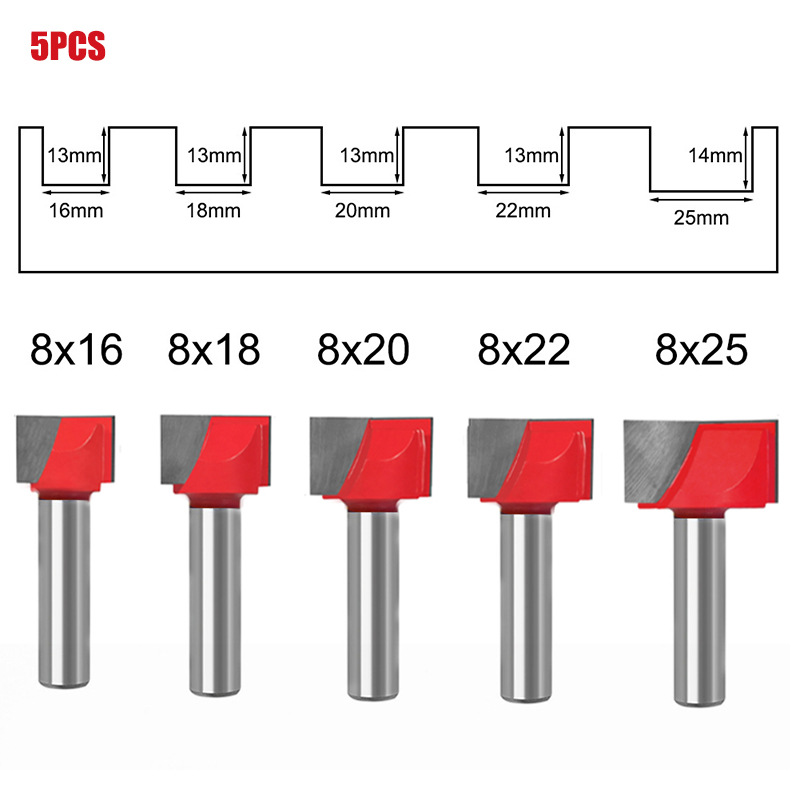
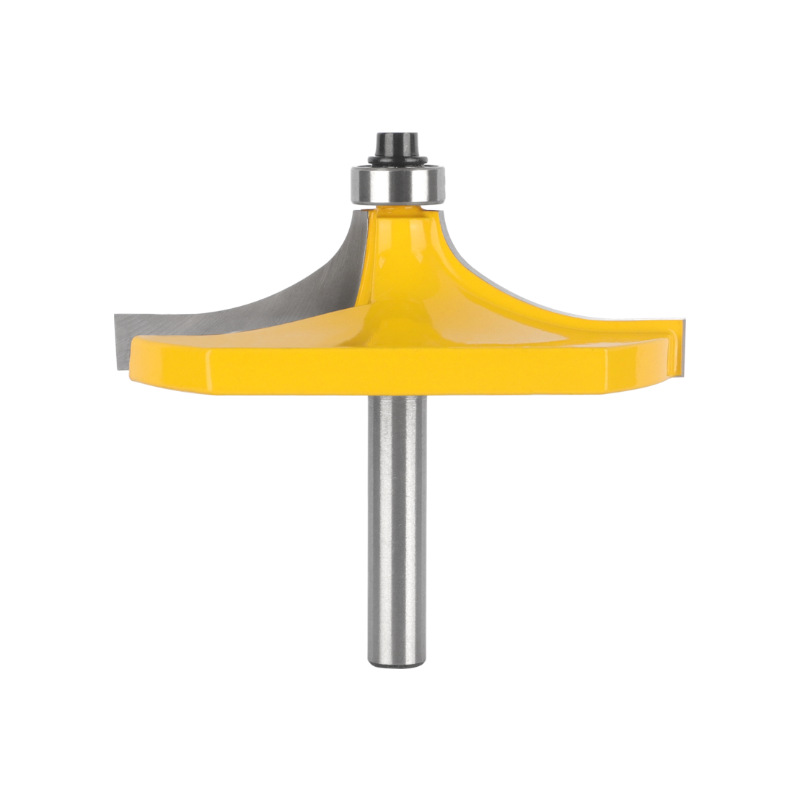
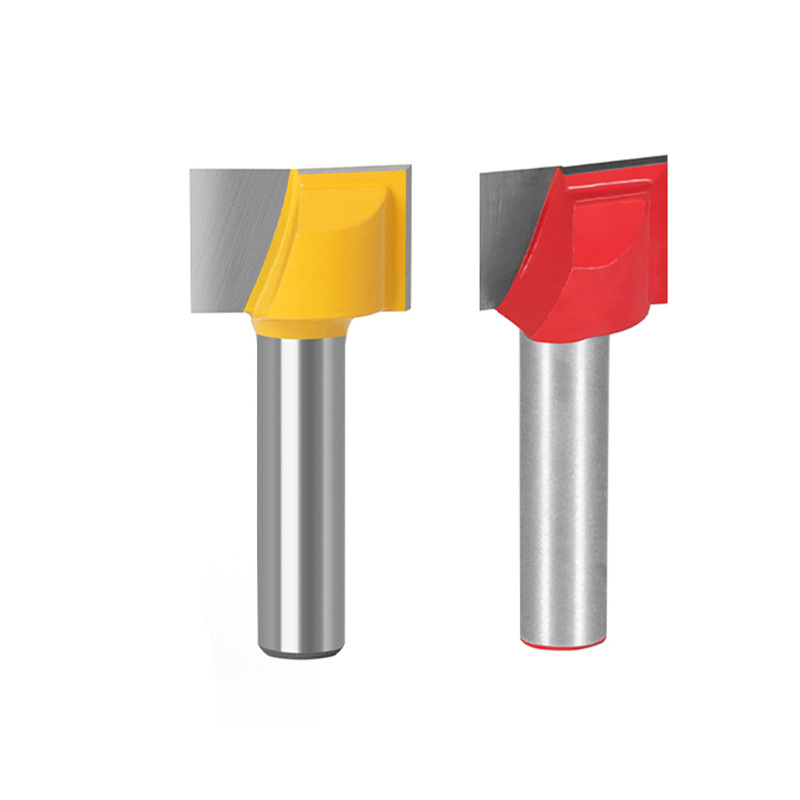
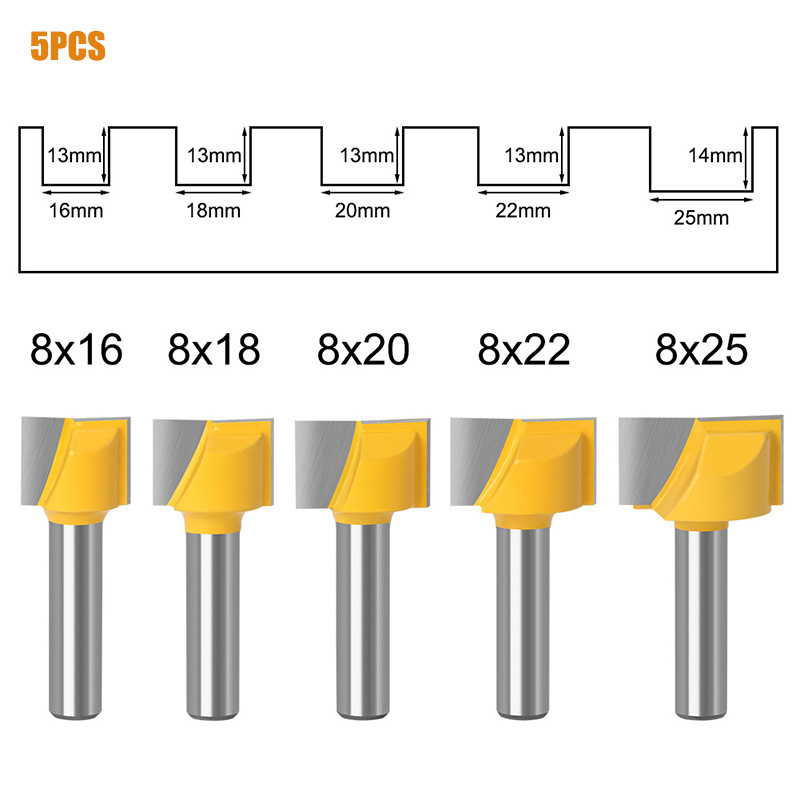
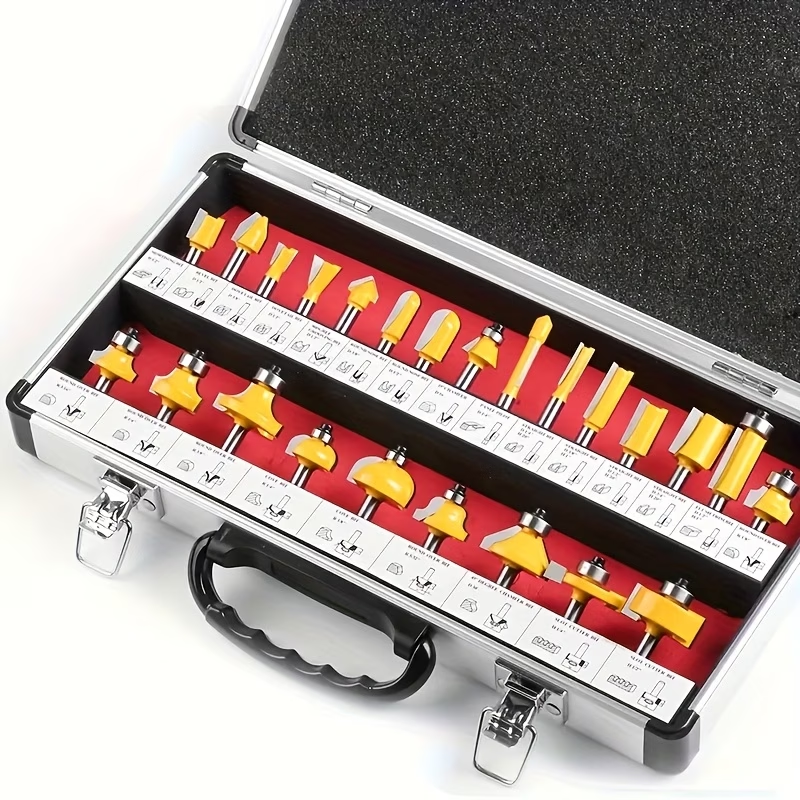
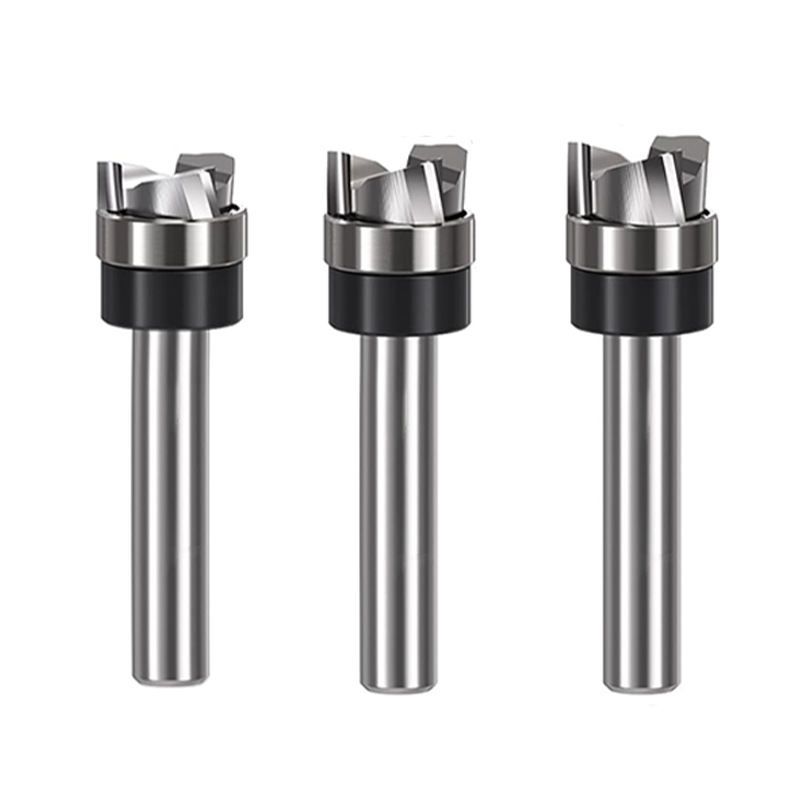
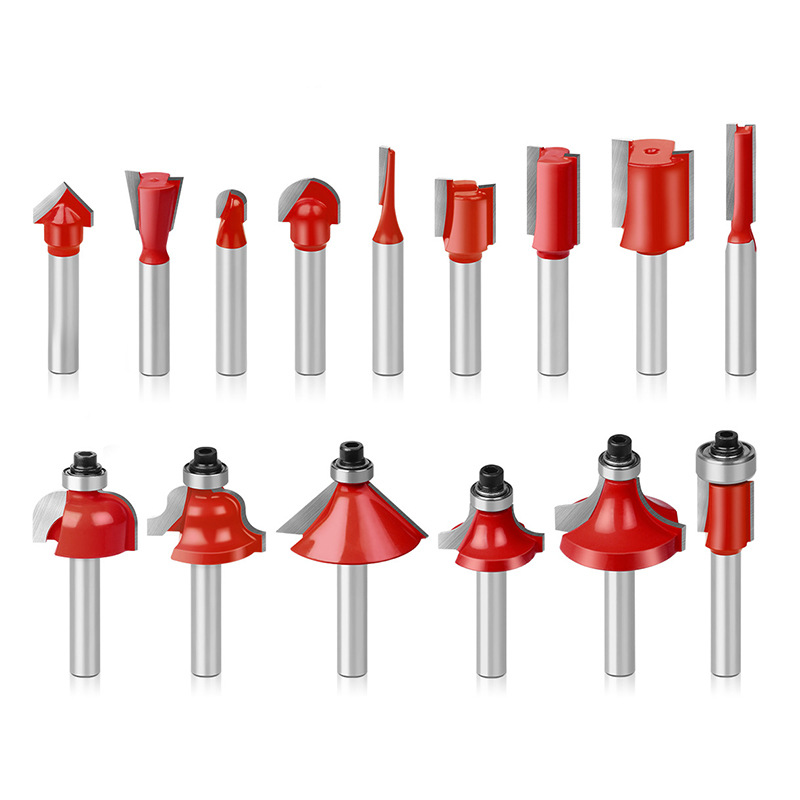
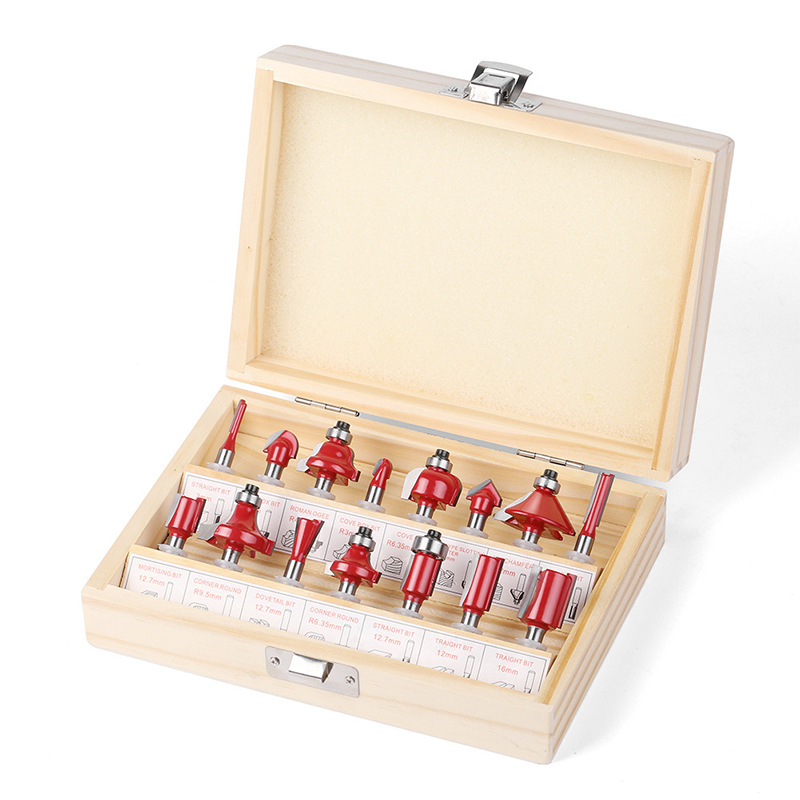
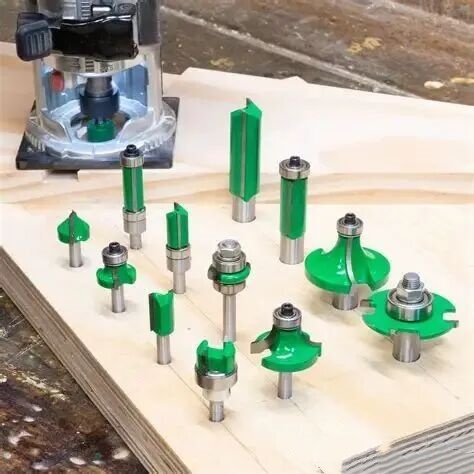
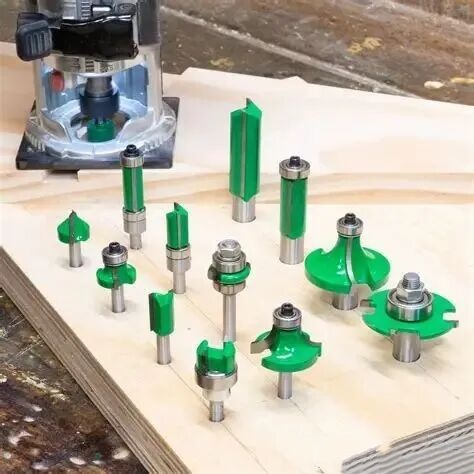
Two tool families solve different problems, and mixing them up costs you surface quality. A router bit mounts in a router collet, runs at far higher spindle speeds and cuts wood, MDF or plywood. A cylindrical plain milling cutter removes metal on a milling machine, keyed to a taper arbor and rated by bore tolerance. Our bottom cleaning router bits belong to that woodworking family, so they never replace a milling cutter on steel.
Apply this rule in the shop. Choose milling cutters for steel, cast iron and die steel, where you manage H7 bores, L/D ratios and coolant channels. Reach for woodworking tooling when your stock is timber or sheet goods. If your workload covers both, keep one clear selection path for each so you never force a cutter onto the wrong material.
5-Point Pre-Mounting Checklist by Priority
Selecting a cylindrical plain milling cutter means matching physical parameters with process constraints. Note how much longer this list runs than choosing a router bit by shank size. Work through these items in order:
- Confirm spindle interface and bore tolerance. Sizes such as 63×45×27 bore must pair with matched taper arbors.
- Choose coarse or fine teeth by stock removal: coarse 8 teeth for heavy allowance, fine 10 teeth for light stock and finishing.
- Evaluate the overhang ratio (L/D) for a hydraulic holder upgrade, and upgrade once L/D exceeds 3.5.
- Verify that helix angle matches material: 30°–35° for aluminium, 25°–28° for stainless steel.
- Confirm cooling coverage on the flutes, since fine-tooth cutters require reliable internal coolant or side spray.
The most common error is ordering only by outer diameter while ignoring how bore size and helix angle interact. When waviness appears on milled roller surfaces, review these five checkpoints first.
Frequently Asked Questions
Can HSS cylindrical plain milling cutters machine stainless steel?
Yes. Use a 25°–28° helix angle, 8 coarse teeth and extreme-pressure emulsified coolant. Keep cutting speed at 25–35 m/min so the edge does not dull too quickly.
Shell HSS cutter vs solid carbide end mill: which suits mass production better?
For mass production, shell HSS cutters win in roughing thanks to fast tool changes, low cost and good regrind performance. Solid carbide dominates finishing with high wear resistance and stable dimensional retention, so shops often combine both for staged operations.
How do you measure the helix angle of a helical flute cutter?
Visual inspection cannot do it. Measure the angle between the flute bottom generatrix and the cutter axis with a profile projector or CMM. Most leading brands also print helix angles (25°, 30°, 35°) on their datasheets.
How does service life compare between coarse-tooth and fine-tooth cutters?
Under identical conditions, coarse-tooth cutters reach roughly 60%–70% of fine-tooth life. Even so, coarse-tooth HSS supports 5–8 regrinds, which lowers total cost on blanks with fluctuating stock allowance.
Can a router bit replace a cylindrical milling cutter?
No. A router bit mounts in a router collet and cuts wood or sheet goods, while a cylindrical milling cutter mounts on a taper arbor and removes metal. Swapping either one outside its intended range risks breakage and poor finish.
How do you eliminate vibration on extended cutters such as the 100×160×40 bore model?
Adopt hydraulic or shrink-fit holders, cut spindle speed by 15%–20%, use a light-depth layered strategy with maximum depth of cut at 0.3 mm or less, and aim coolant precisely at the root of every flute.
Final Word on Cutter Selection
Match the tool to the material before chasing specifications. Check the bore interface first, then tooth count, then helix angle, then overhang, and finally cooling. Follow that order and your cylindrical milling cutters will run quieter, last longer and hold size far more predictably. For wood instead of metal, our router bits for bottom cleaning and flattening cover those jobs.