Blog
Wood Router Bit Safety & Maintenance Tips: Complete Care Guide

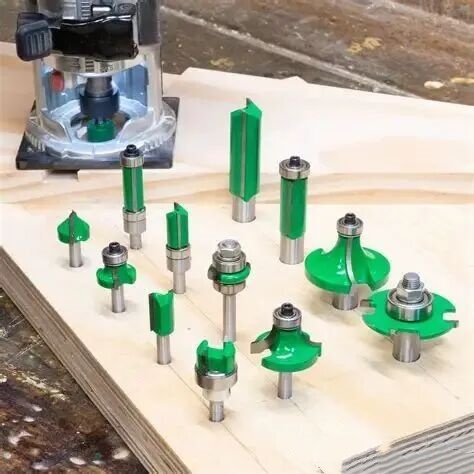
A trim router is only as good as the router bits it carries. Yet many woodworkers overlook the daily care that keeps bits cutting cleanly. Proper handling, scientific storage, regular sharpening, and safe operation are the four pillars of reliable router bit maintenance. Dull, rusty, or poorly stored bits produce rough cuts, burrs, and dangerous kickback. Furthermore, this complete care guide covers handling, storage, sharpening, and safety for DIY and pro woodworkers.
Proper Router Bit Handling and Storage Practices
Scientific handling and standardized storage build stable, long-term performance. Many tool failures actually come from casual storage rather than normal wear. Therefore, good habits protect your investment early.
First, always wear protective gloves when handling bits. This isolates sweat, grease, and dust from the cutting edges and shanks. Moreover, it prevents oxidation and corrosion that slowly degrade precision. For storage, choose a cool, dry, and ventilated space away from sunlight and humidity. Additionally, damp air causes rust, while heat weakens coatings and blade hardness.
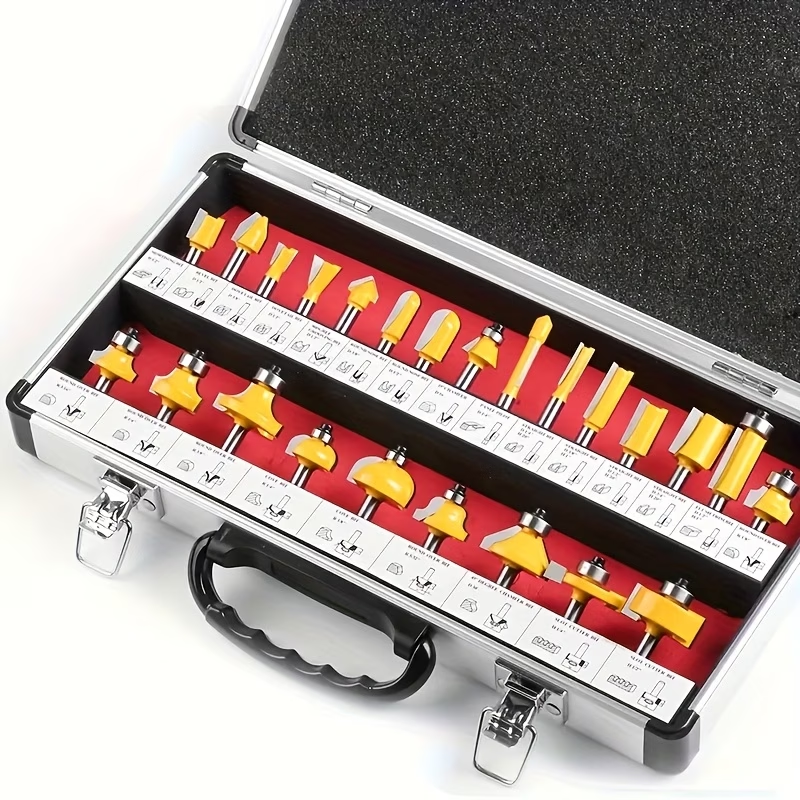
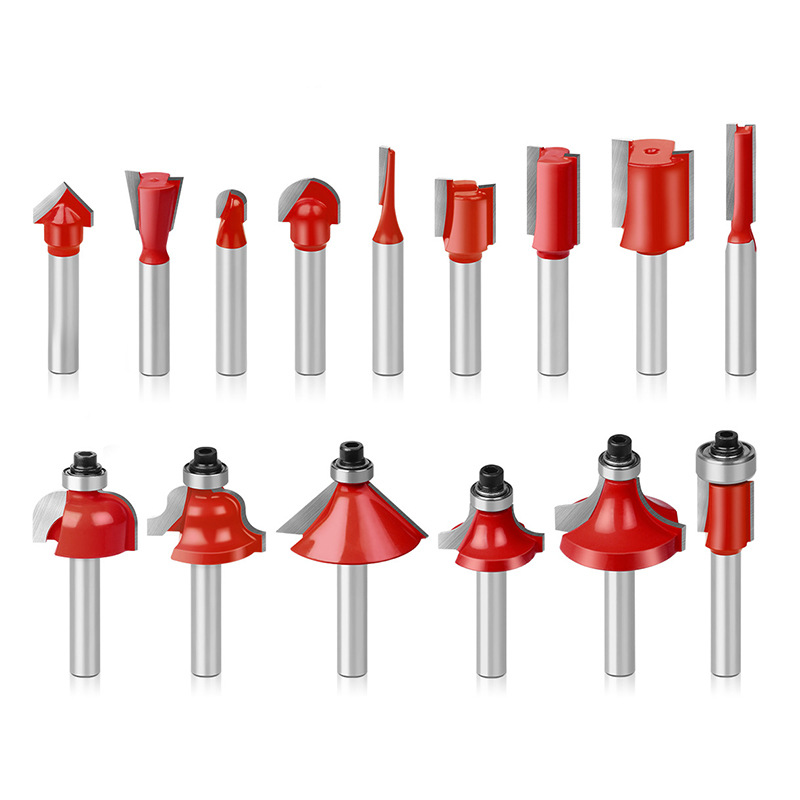
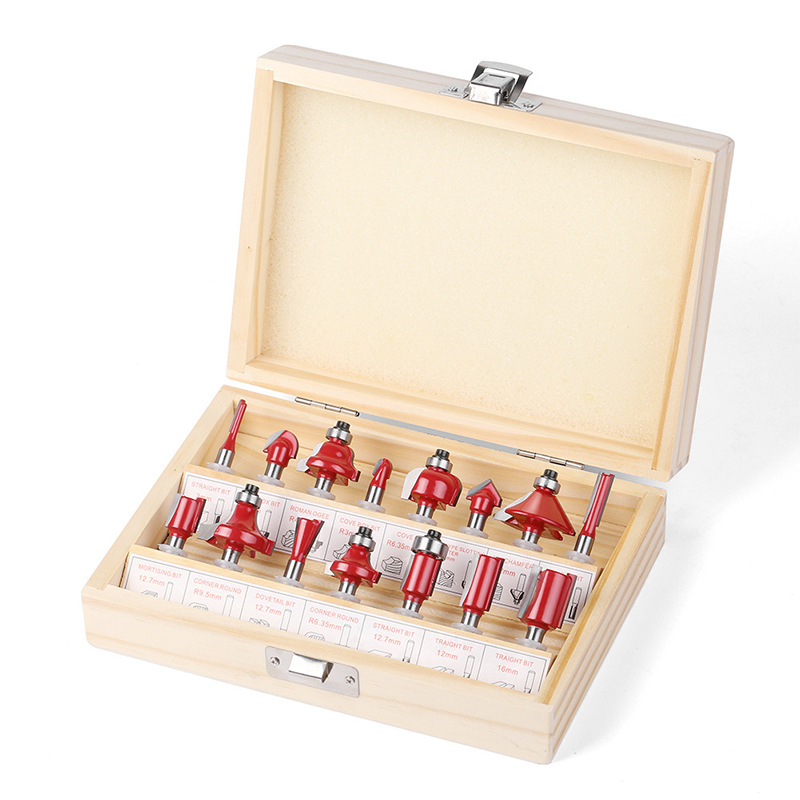
To further protect edges, store each bit in a dedicated box or sleeve. Moreover, this prevents chipping, scratches, and collision wear. Meanwhile, classify bits by type, size, and purpose to avoid mix-ups. Additionally, inspect bits before and after every use. Check for wear, cracks, chips, rust, or deformation, and replace damaged bits promptly. After use, wipe chips and resin with a soft cloth and mild solvent. Routine router bit maintenance stops residue from blunting the edge.
Professional Router Bit Maintenance and Sharpening Techniques
Regular router bit maintenance and standardized sharpening restore sharpness and cut motor load. With frequent use, bits inevitably dull and cause burnt edges. Consequently, material-specific sharpening protects both the edge and your router.
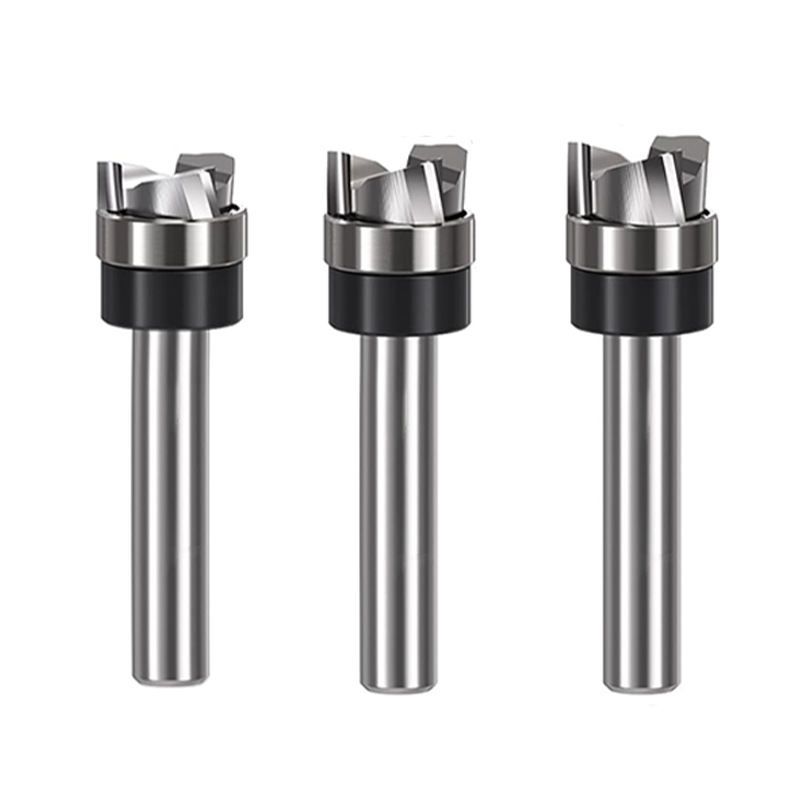
Always inspect the bit before each operation. Once you see burrs, burn marks, or rising vibration, the blade needs sharpening. For carbide-tipped bits, only diamond stones work. Ordinary wheels cannot polish carbide and may ruin the cutting angle. Meanwhile, during sharpening, keep the factory angle to preserve consistent sharpness. For HSS bits, use grinding wheels or files, then red iron oxide sandpaper for a smooth polish.
After sharpening, clean the bit with a mild solvent to remove dust. Then dry and store it to prevent secondary rust. Consequently, good sharpening delivers flat, burr-free cuts and lowers replacement costs. Routine router bit maintenance therefore pays for itself over time. Finally, for severely worn industrial bits, use professional offline sharpening.
Critical Safety Rules for Router Operation
High-speed bits are high-risk tools, so standardized operation prevents kickback and injury. For this reason, every operator must follow universal safety rules.
Always wear safety goggles and a dust mask to block flying chips and debris. Tie back long hair, wear tight clothes, and remove rings or necklaces. Always clamp the workpiece firmly and never hold small pieces by hand. Use push sticks to keep hands away from the bit. Never start the router while the blade touches the wood, since that causes instant kickback. Moreover, keep the area clean and bright, confirm settings match the material, and feed at a steady speed.
Most importantly, cut the power and unplug the device before changing bits. Never service a live tool. Always consult the manufacturer’s official safety manuals for model-specific rules.
Conclusion
Specifically, router bits are precision tools whose life and safety depend on handling, storage, sharpening, and operation. Proper router bit maintenance removes dull-blade defects and hidden hazards. Standardized operation maximizes performance and ensures consistent results. Thus, following these care guidelines reduces tool loss and accident rates. For refined techniques, consult manufacturer tutorials or explore our wood router bit collection for reliable options.
Frequently Asked Questions
Q1: How should I properly store wood router bits?
A: Store cleaned bits in a cool, dry place using sleeves or boxes. Classify them by size and type. Avoid damp spaces and blade collisions.
Q2: What tools sharpen carbide router bits?
A: Carbide-tipped bits need only diamond sharpening stones. These protect the original cutting angle and keep the edge sharp.
Q3: What safety gear do I need for router operation?
A: Wear safety goggles and a dust mask. Tie back long hair, avoid loose clothes and jewelry, and use push sticks.
Q4: Why does a router bit cause wood burning and kickback?
A: Dull blades, wrong depth, mismatched bit and material, and uneven feed speed cause burning and kickback.