Blog
Common Woodworking CNC Router Bits and Their Industrial Applications in Furniture Production


Tool selection is one of the most critical factors in CNC woodworking. It directly influences cutting precision and finished furniture quality. Different router bit structures serve different processing functions. These range from basic grooving to complex decorative profiling. Understanding common woodworking router bits helps factories improve efficiency. It also reduces defective rates and creates professional finishes. This article elaborates on 10 practical CNC router bits. We provide targeted selection guidance for different woodworking processes.
1. Straight Router Bits — The Universal Grooving Tool
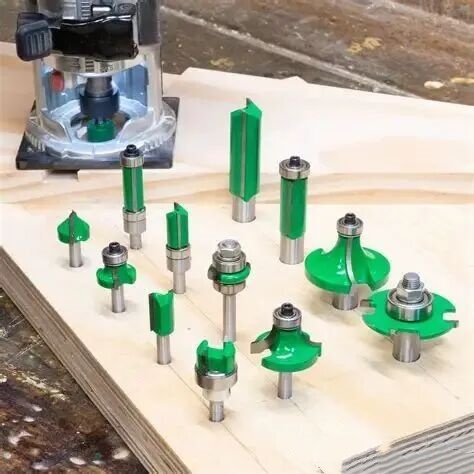
To begin with, straight router bits are the basic universal tool for daily CNC wood processing. Benefiting from their linear cutting edge, these bits remove wood stably. They create standard straight grooves, through slots, and mortises. Rich diameter and length specs let them adapt to different workpiece thicknesses. In actual operation, straight bits complete vertical plunge cutting and edge contour cutting. They cover most conventional wood processing needs.
Their flat cutting feature ensures clean, flat groove bottoms. Meanwhile, they perform well in soft wood and allow fast feeding. Nevertheless, their non-spiral chip removal generates more heat. Once feed speed is wrong, the surface tears and polishing workload rises. For reliable results, source quality woodworking router bits from a trusted supplier.
2. Carbide Spiral Router Bits — Heat-Free High-Speed Cutting
Carbide spiral router bits are designed for high-efficiency CNC machining. Their biggest advantage is the spiral chip flute. It discharges chips quickly and solves heat accumulation. Adopting high-quality carbide, these bits resist wear better than HSS bits. Thus, they suit industrial mass production. The up-cut, down-cut and composite designs meet different needs.
Down-cut bits protect the top surface from chipping. Up-cut bits ensure clean bottom grooving. In terms of experience, spiral bits run with low vibration. They keep ultra-smooth edges even at high feed speeds. However, they cost more and need stronger CNC power. For this reason, small low-power machines cannot show their full performance.
3. Round-Over and Chamfer Bits — Safe, Stylish Edges
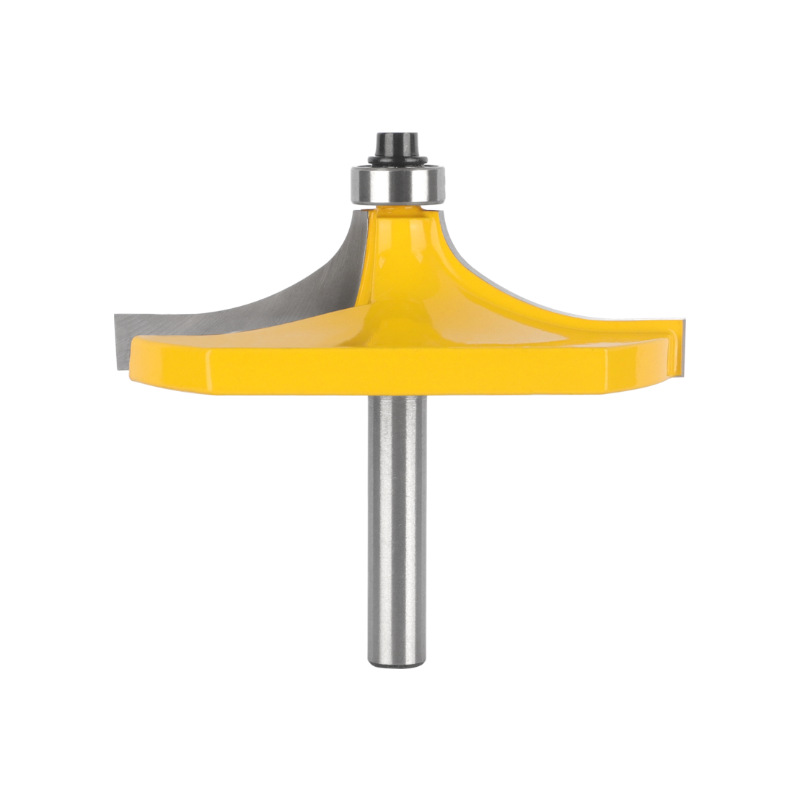
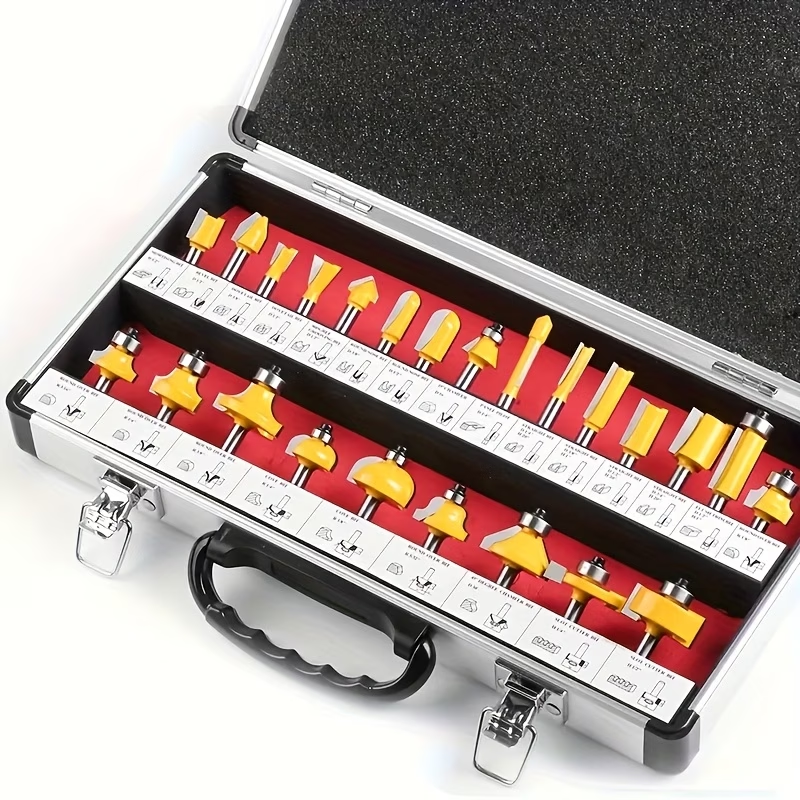
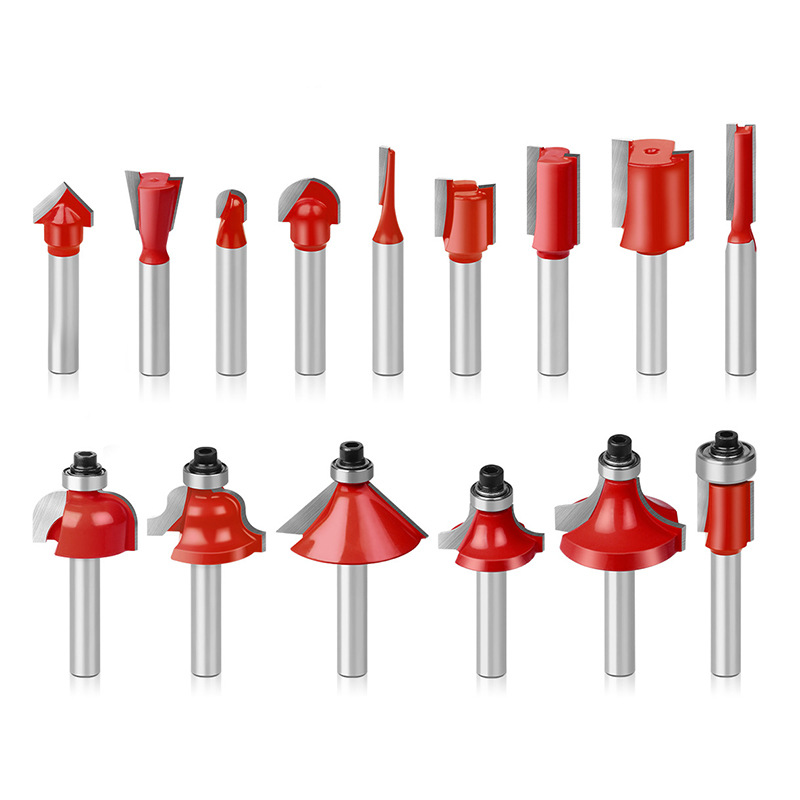
In furniture edge finishing, round-over and chamfer bits upgrade safety and appearance. Round-over bits use arc edges and ball bearings to create smooth rounded corners. They change the sharp edge of raw wood workpieces. They are widely used in household furniture to avoid injuries. Furthermore, they create bead decoration through inverted cutting.
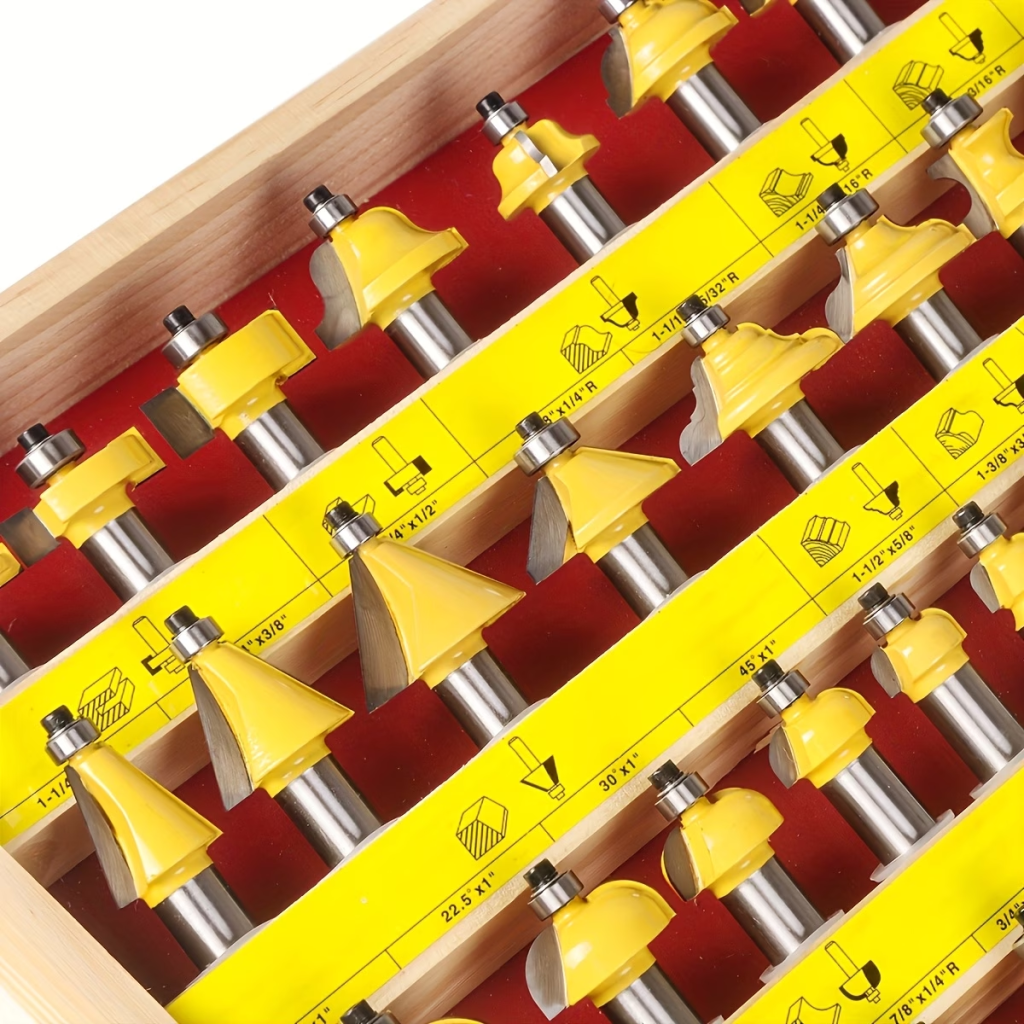
Chamfer bits focus on angular bevel processing. With optional 30°, 45° and 60° angles, they make neat bevels and decorative V-grooves. Both tools reduce post-processing sanding. Yet they are limited to single molding profiles and need repeated cutting for large sizes.
4. Flush Trim, Cove, Ogee, Dovetail, V-Groove and Rabbet Bits
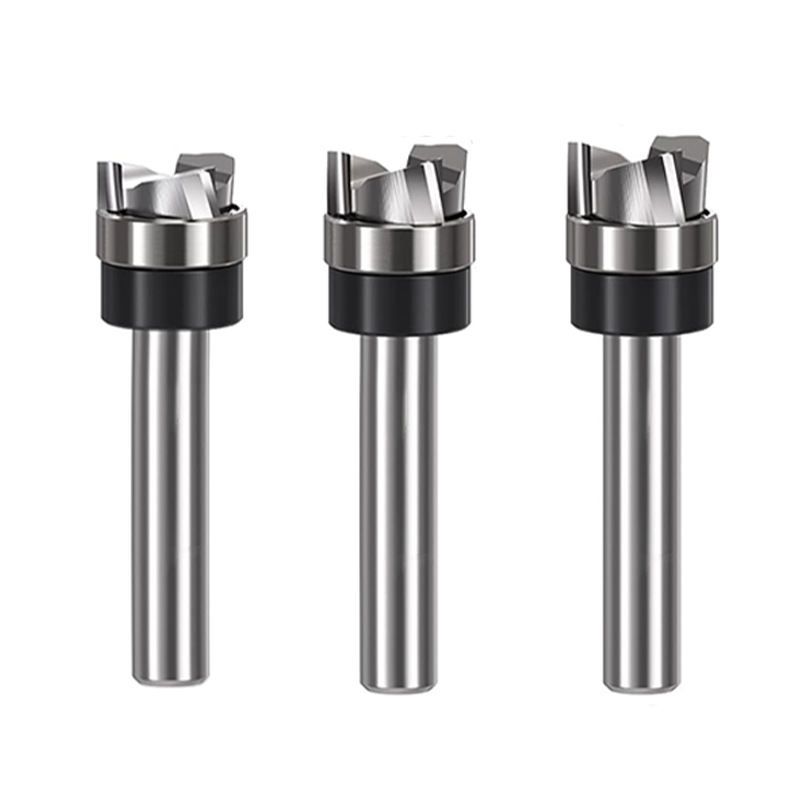
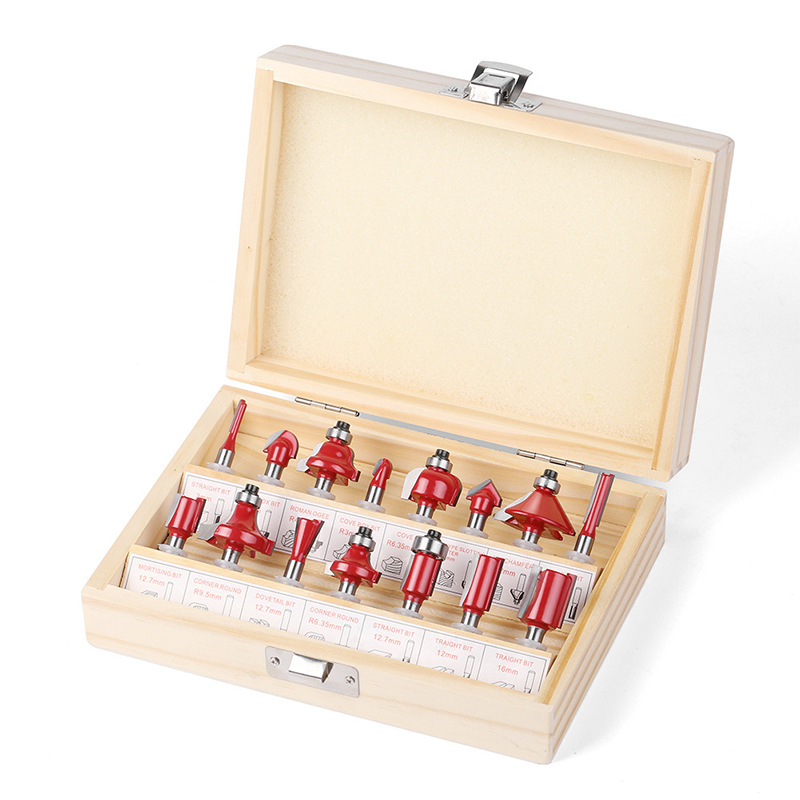
For batch production, flush trim router bits are indispensable. With ball bearing guides and templates, they trim redundant material accurately. They realize 1:1 replication of complex contours. This ensures consistent specifications of batch parts. For decorative work, cove bits create inward curves and hidden handles. Ogee bits provide classic S-shaped retro lines.
For structural work, dovetail bits process interlocking joints that are firm and beautiful. V-groove bits carve letter patterns and anti-slip textures. Finally, rabbet bits cut shoulder joints for drawer bottoms and cabinet backs. Although these professional woodworking router bits have single-profile limits, they play an irreplaceable role in refined manufacturing.
Conclusion: Match Woodworking Router Bits to Each Process
Selecting the right woodworking router bits improves precision and furniture quality. Straight bits handle universal grooving. Spiral bits deliver heat-free high-speed cutting. Round-over and chamfer bits add safe, stylish edges. Combined with flush trim, cove, ogee, dovetail, V-groove, and rabbet cutters, any workshop covers full production needs. By matching each cutter to its process, woodworkers reduce defects and achieve consistent results. Browse our full range of CNC router bit solutions to plan your next project.