Blog
How to Pick the Right Router Bit for Your Woodworking Project

How to Pick the Right Router Bit for Your Woodworking Project
A careful plan to choose router bit for woodworking starts before you buy. A carefully selected router bit lays the foundation for clean, precise cuts and high-quality finished work. Even a premium handheld or cordless trim router performs poorly with mismatched cutters. Those mismatches cause rough surfaces, chipped tools, wasted material, and delays. Many hobbyists and pros struggle to narrow down the countless options on the market. This guide covers four core criteria: cut type, workpiece material, bit size and geometry, plus brand and build quality. Knowing these factors simplifies your decision and helps you match the cutter to your exact goals.
Choose Router Bit for Woodworking: 4 Key Criteria
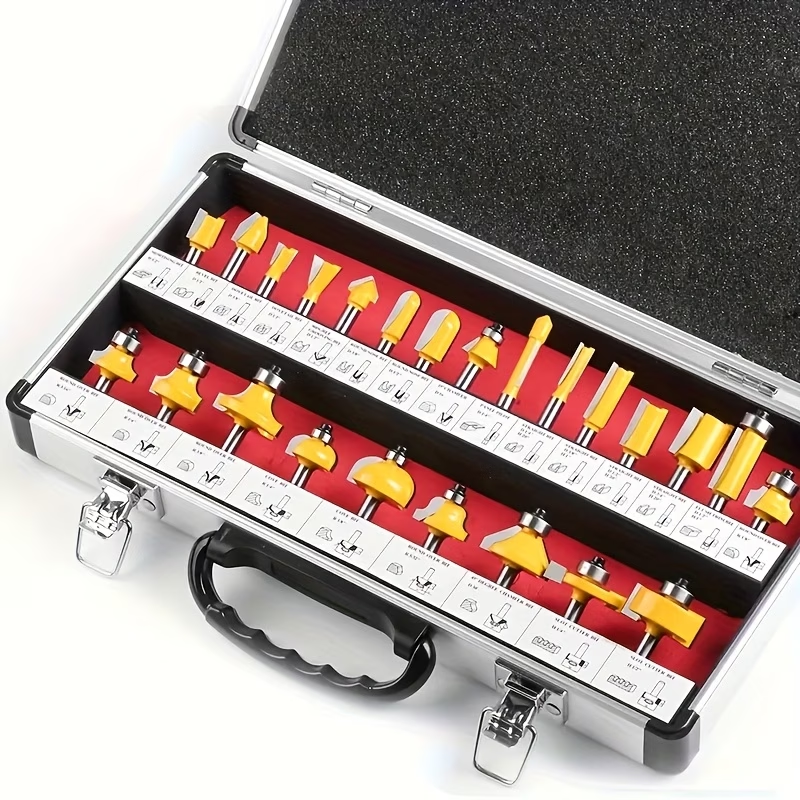
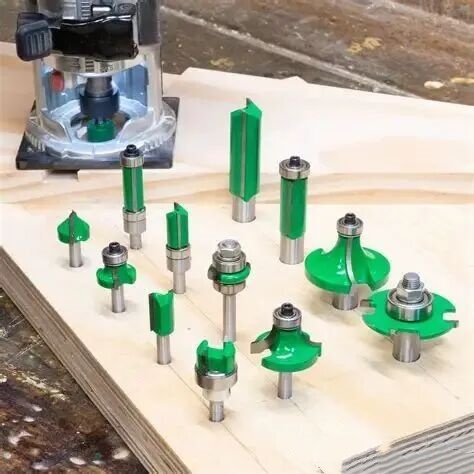
Picking the right cutter does not require guesswork. The four steps below turn a confusing shelf into a clear shortlist. For a full overview of available shapes, see our guide to woodworking router bit types before you shop.
1. Determine the Required Cut Type
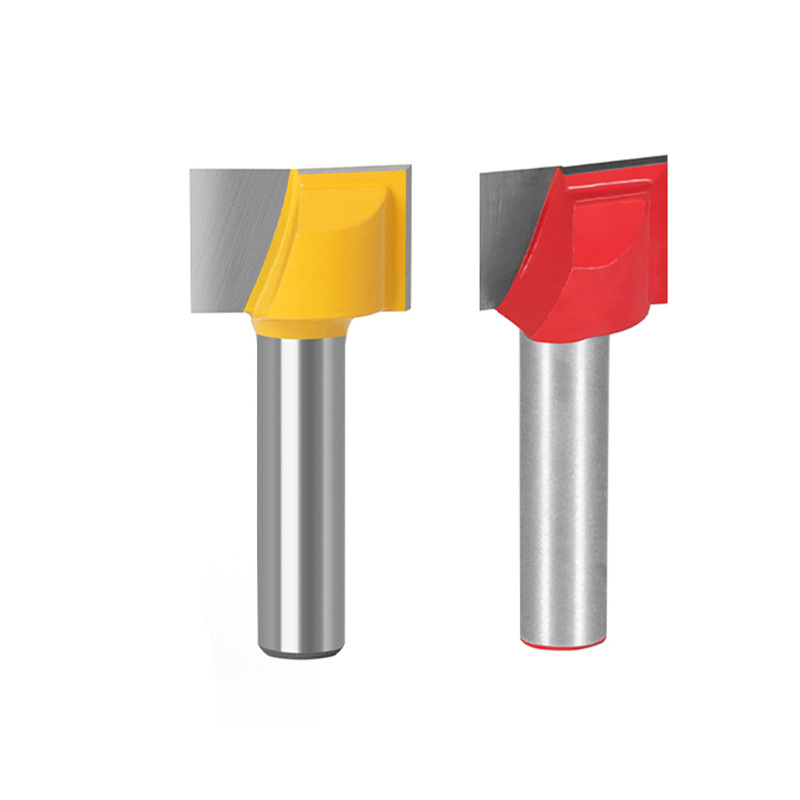
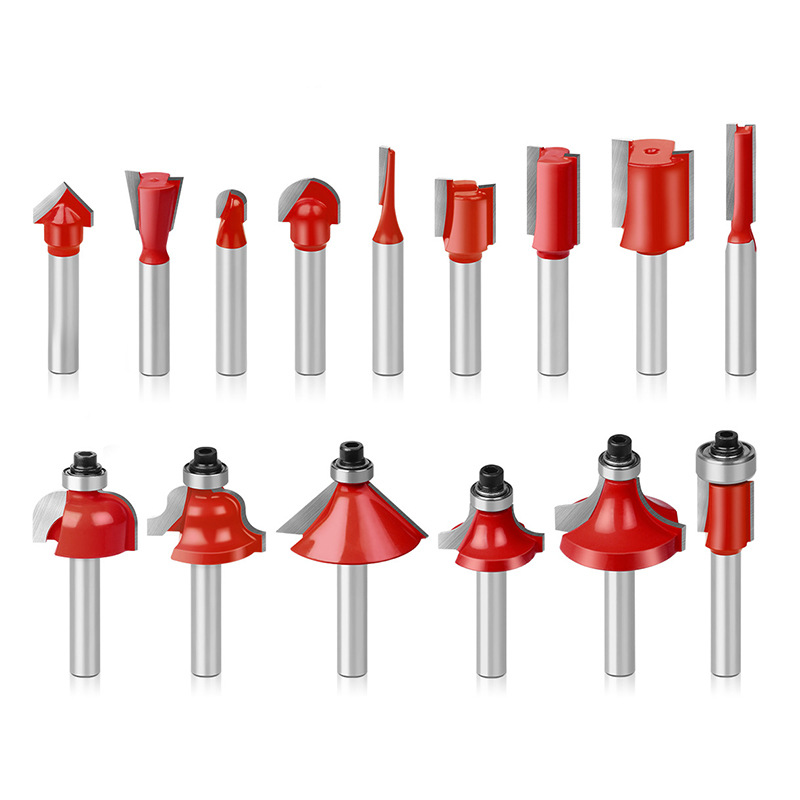
When you choose router bit for woodworking, start with the cut type. The cut you plan to make drives your bit choice. Each cutter performs one specific task, and the wrong bit ruins the result. For straight cuts and standard grooves, a two-flute carbide-tipped bit gives stable performance and clean chip removal. For dovetail joints in drawers and cabinets, a dedicated dovetail bit is the better pick. Its angled profile forms the trapezoidal tenon that defines a strong dovetail. Map every cut in your workflow first. Then match the bit design to each task. This prevents wasted purchases and mid-cut tool failure.
2. Match Router Bit to Your Workpiece Material
Your material decides which bit works best. Wood is the most common choice, and chamfer bits suit softwood and hardwood edges. Router bits also cut plastic and thin non-ferrous metals, but each material needs a different edge geometry. Wood fibers behave unlike rigid plastic or ductile metal. Bits made only for wood may melt plastic or dull fast on metal. Always check the maker’s recommended material range. This avoids early wear, melting, and torn workpieces.
3. Select Proper Bit Size and Shape
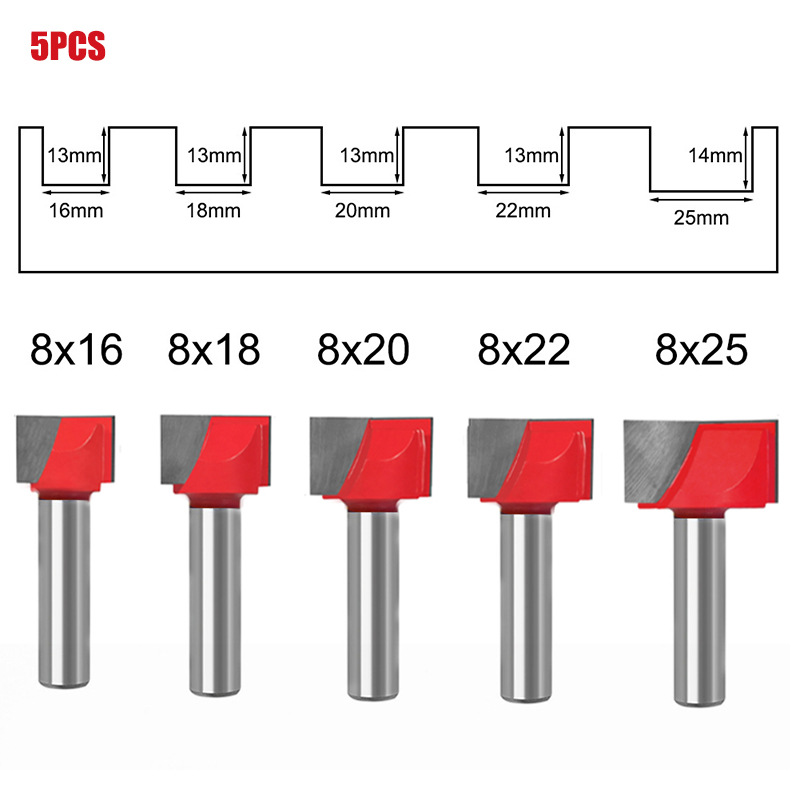
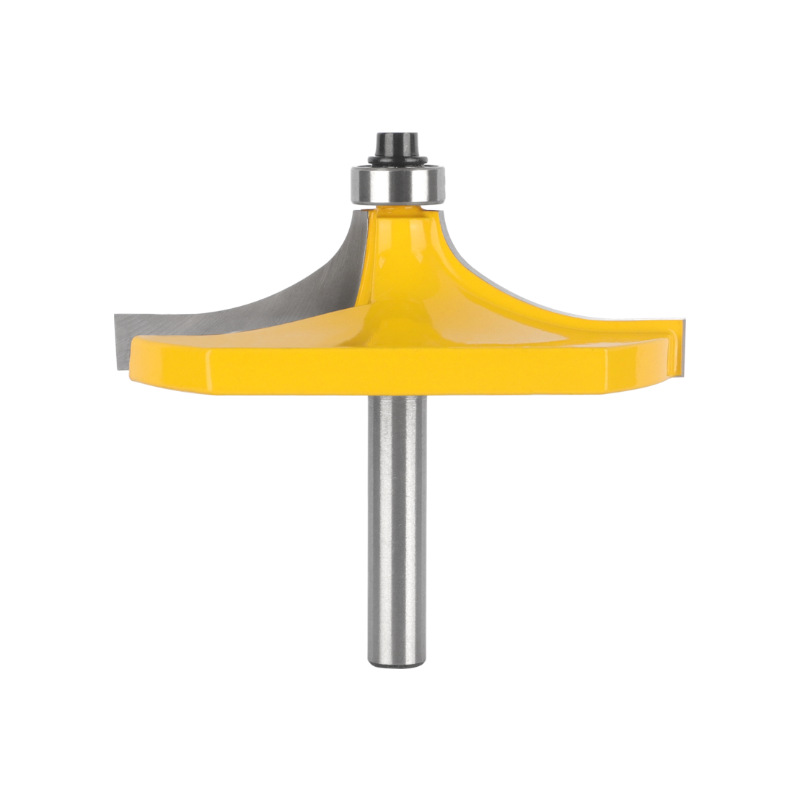
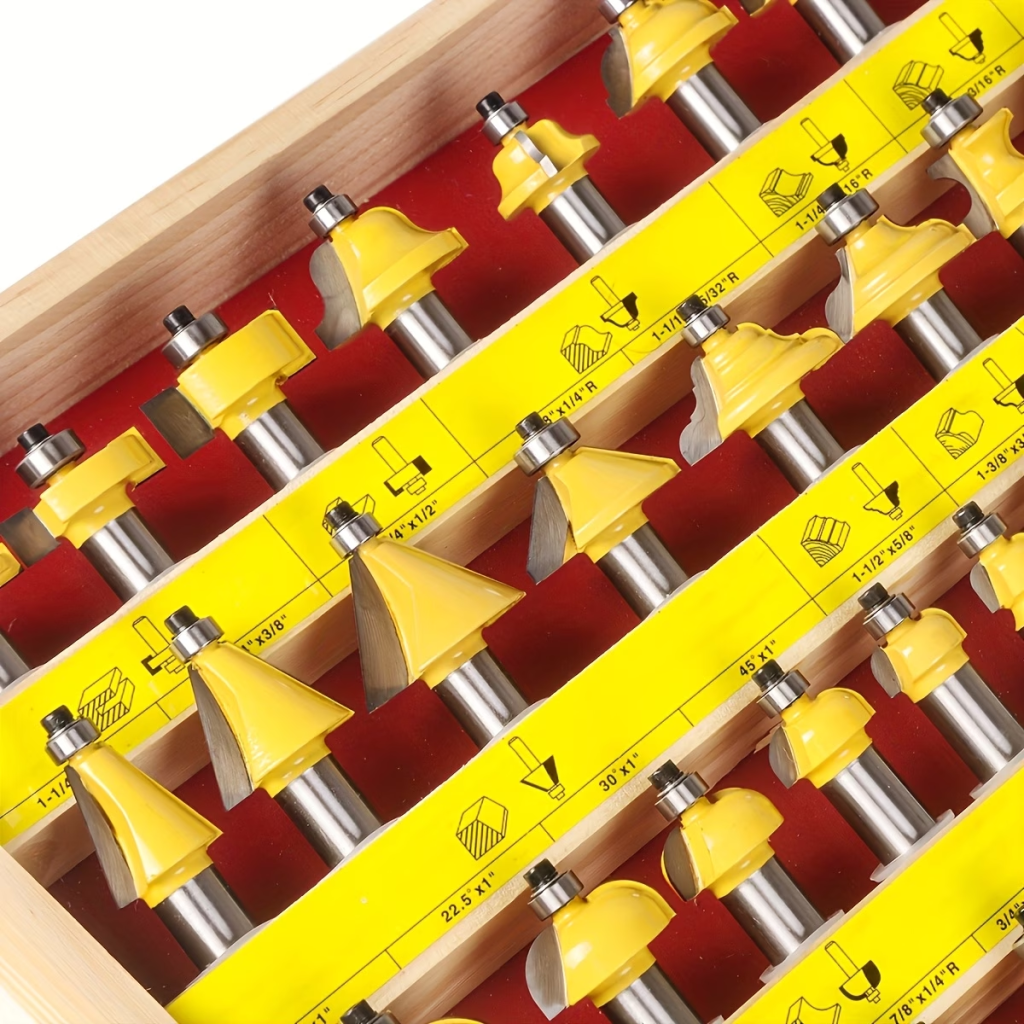
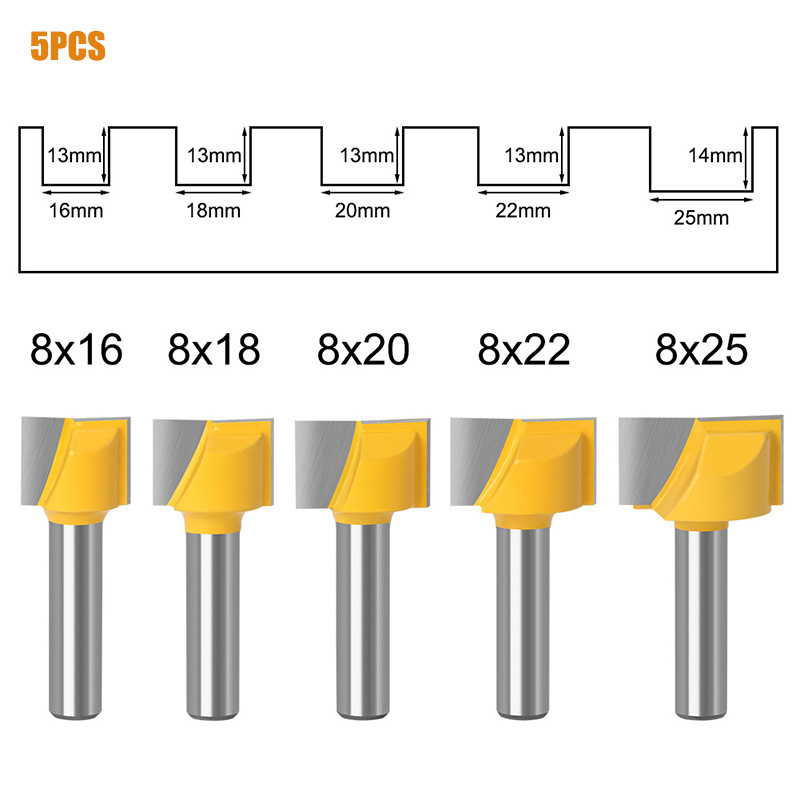
Diameter matters when you choose router bit for woodworking for fine detail. Your project goals guide the diameter and profile you pick. Large-diameter bits remove heavy stock in fewer passes. Smaller bits suit fine engraving, detailing, and tight contours where precision matters. Straight bits make clean straight cuts and slots. Roundover bits create smooth curved edges and soften sharp corners on panels and crafts. The profile shapes your finished edge, while diameter controls width and removal rate. Balance size and geometry for speed and surface quality. Compare options in our carbide tipped router bit guide for lasting sharpness.
4. Evaluate Brand Reputation and Build Quality
Your trim router is a real investment, and your bits deserve the same care. Cheap no-name cutters often show uneven grinding, weak carbide bonding, and short life. Branded bits cost more up front yet hold sharpness longer with less runout. They deliver steadier results across repeated use. Shop established brands with strong reviews and proven track records. Weigh budget against how often you cut. Occasional hobbyists may accept mid-range bits, while full-time pros should choose premium quality to cut downtime. Let your priorities balance cost against durability.
Conclusion
Choosing the ideal router bit does not require guesswork. Start by naming your cutting style. Then match the cutter to your workpiece material and pick the right size and profile. Finally, assess brand quality before you buy. These four principles cut defects, extend tool life, and unlock your trim router’s full potential. Use this method to choose router bit for woodworking with confidence. Whether you build furniture, craft decor, or machine plastic and light metal, this framework fits every router bit you buy to the task.
FAQ
Q1: Which router bit works best for straight cuts?
A two-flute carbide-tipped straight router bit is the top option for stable, clean straight grooving and linear cuts in wood.
Q2: Can I use the same router bit for wood, plastic and metal?
Not recommended. Each material needs a specially designed cutting edge. Wood bits may melt plastic or quickly dull when cutting metal.
Q3: When should I choose a large router bit instead of a small one?
Use larger diameter bits for bulk material removal. Smaller bits are reserved for fine, intricate details and tight curves.
Q4: Is it worth buying brand-name router bits?
High-quality branded bits offer better grinding precision and longer service life. Budget bits often wear fast and may cause unstable cutting.