


Blog
Wood Router Bits: Pro Tips for Selection and Safe Use

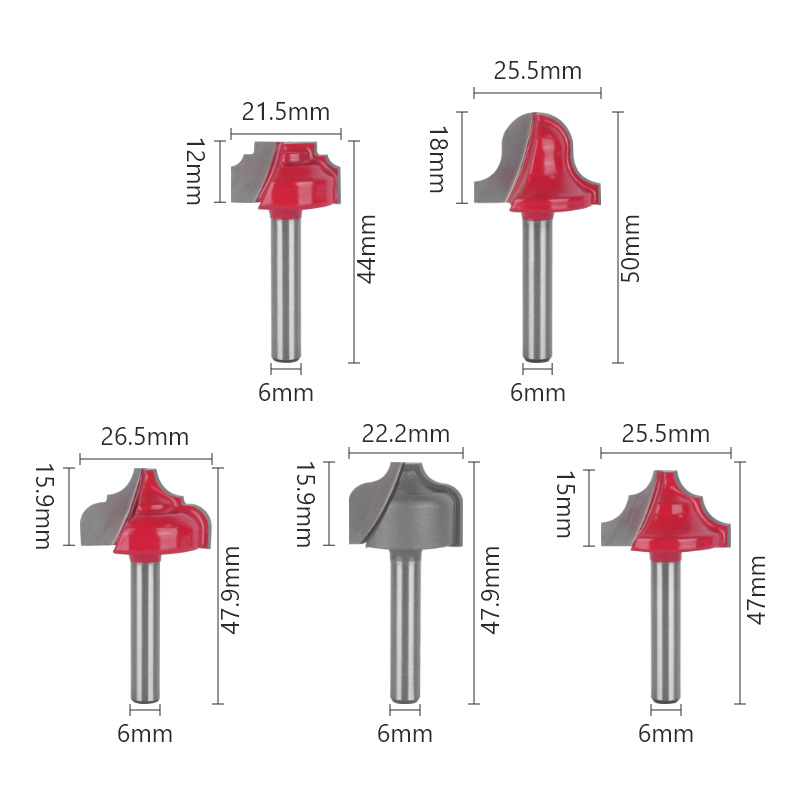
Choosing the right wood router bits is the first step toward clean, safe, and efficient woodworking. Whether you run a CNC router or a handheld trimmer, the bit you pick decides surface quality, tool life, and even workshop safety. However, many beginners grab a bit by eye and wonder why the edge chips or the cut burns. This guide shares hard-won experience on how to select and use wood router bits for real projects, from material to safety.
What to Consider Before Choosing Wood Router Bits
Good selection is never random. Instead, it rests on five practical factors. First, know the material you cut. Next, read the cutting direction. Then match the tool’s rotation to the feed. After that, secure the stability of both tool and workpiece. Finally, define the surface quality you expect. Master these points, and every later choice becomes far easier.
Match the Bit to the Wood Material
Wood is not one material. Solid wood splits into softwood, hardwood, and modified or treated lumber. In contrast, wood-based panels include plywood, MDF, HDF, particleboard, OSB, blockboard, and laminated veneer lumber. Each group cuts differently. For example, softwoods clog less and forgive a slightly dull edge. On the other hand, hardwoods and dense MDF demand sharper carbide and a slower feed. Modified or treated lumber can be abrasive, so expect faster wear and plan regrinding into your schedule. When a board is veneer- or melamine-faced, choose wood router bits that shear the surface cleanly, so you avoid chipping the decorative layer. As a result, the right match protects both the bit and the finish.
Cutting Direction and Feed Angle Matter
Relative to the wood grain, cutting falls into along-grain, across-grain, end-grain, and mixed classes. The blade’s tilt must match the spindle’s rotation and the feed direction. Get this wrong and the fibers tear out or the bit overloads. Therefore, always check grain direction before you lock the bit in. In addition, cut a scrap piece at the same feed to confirm the edge stays clean.
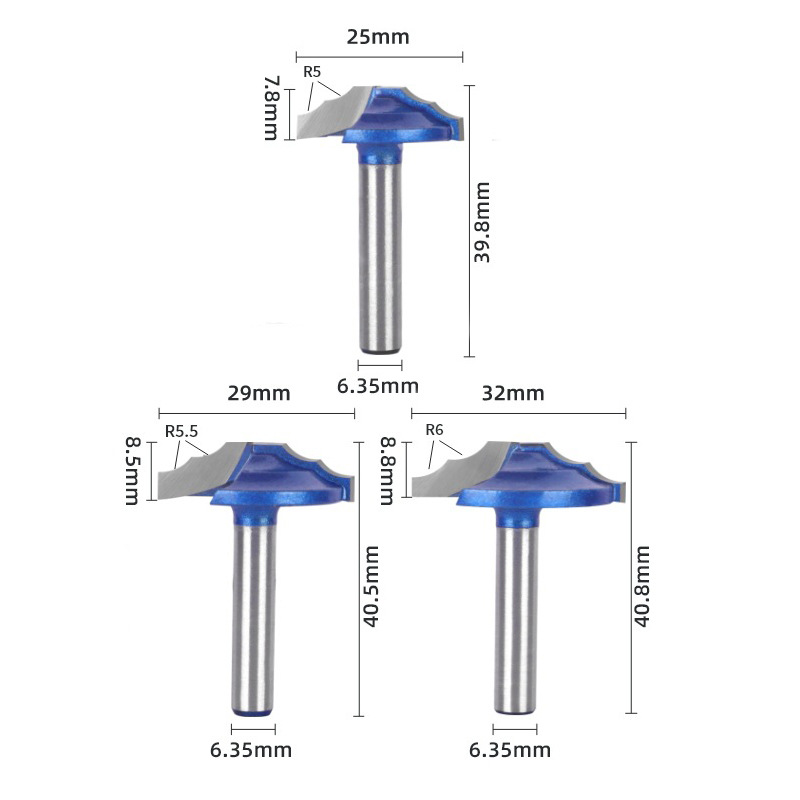
Keep the Tool and Workpiece Stable
Stability means the bit and the stock both stay steady through the cut. For the workpiece, lower its center of gravity and increase the contact area with clamps, a spoilboard, or featherboards so it feeds without chatter. In addition, a well-supported stock is the cheapest upgrade you can make to cut quality. Similarly, check that the bit runs true in the collet; a loose or dirty shank invites vibration and poor finishes.
Set the Right Cutting Parameters
Start with the main specs: outside diameter, cutting depth, bore size, number of flutes, rotation direction, RPM, feed rate, clamping type, and cutter material. Then choose the structure. You can pick a solid bit for simplicity, a welded bit for economy, an assembled bit for flexibility, or a modular bit for quick changes. Each has trade-offs in cost and performance.
- Solid bits – simplest and most rigid, ideal for standard profiles.
- Welded bits – economy option, but inspect the weld before high-speed use.
- Assembled bits – swap blades for flexibility; skip them above 9000 RPM.
- Modular bits – quick changes for mixed production runs.
Cutting speed comes from RPM multiplied by radius, while feed rate follows the finish you need. Above all, watch the feed per tooth. Too high, and the surface turns rough; too low, and the wood burns. A balanced value keeps both quality and tool life high. If you want to compare options side by side, browse our full range of wood router bits before you decide.
Ensure Stable, Safe Operation
Router work is high-speed machining. Spindles often spin above 3000 RPM and reach 9000 RPM or more. At that speed, safety limits are not optional. Above roughly 9000 RPM, avoid assembled bits except those with a shank under 16 mm, and demand flaw-tested welds on solid bits. Limit chip thickness to prevent overload, and respect the profile-height limit on formed bits so the cutter keeps enough strength. For assembled bits, the clamp must resist the centrifugal force of rotation.
Because accidents scale with speed, build a routine: inspect the bit, confirm clamping, and verify limits before every run. For a deeper look at matching tools to tasks, see the wood router bits buying guide on our site.
Final Thoughts
Selecting wood router bits is not guesswork. Read the material, respect the grain, lock down stability, tune the parameters, and never skip the safety limits. Do that, and your cuts stay clean while your shop stays safe. For daily work, keep a small set of quality wood router bits sharp and ready, because consistency beats variety when the deadline is tight.











