Blog
Wholesale Router Bits: A B2B Buyer’s Sourcing Checklist


Quality problems in tooling appear months after the invoice, not at delivery. Therefore, buying wholesale router bits rewards a disciplined process. A short checklist protects margin and reputation.
This guide covers what buyers judge, how to talk about price, and how to approve samples. Finally, we look at the traps in bulk orders and at long-term value.
What Buyers Actually Judge
Experienced buyers test a supplier on four points before a large order. That first order of wholesale router bits sets the tone for the whole relationship.
- Consistency: does sample ten match sample one?
- Documentation: are grade, coating and tolerance stated?
- Lead time: can the supplier hold a promised date?
- Response: does the team answer technical questions clearly?
Because tooling is a repeat purchase, consistency matters more than a low first price. In practice, a stable supply beats a cheap batch.
Meanwhile, ask for the same data every time. A supplier who records it becomes easier to work with each year.
Material, Coating and Shank Tolerance
Three specifications decide how a cutter behaves in service.
- Carbide grade sets the balance of toughness and wear resistance.
- Coating reduces friction and resin build-up on the face.
- Shank tolerance decides how well the cutter seats in a collet.
Therefore, ask for the grade name and the tolerance figure in writing. Because a loose shank causes runout, the tolerance is a real quality marker.
In addition, request the maximum RPM marking on the body. A cutter sold to professional users must carry it, and a missing mark is a warning sign.
Minimum Order Quantity and Tiered Pricing
Price breaks follow volume, yet the first tier is often the risky one.
- Ask for the minimum order quantity on each size, not per order.
- Request a price table with at least three quantity tiers.
- Confirm whether mixed sizes count toward the same tier.
- Check what the price includes: packing, marking and labels.
- Agree the tooling cost if a custom profile is required.
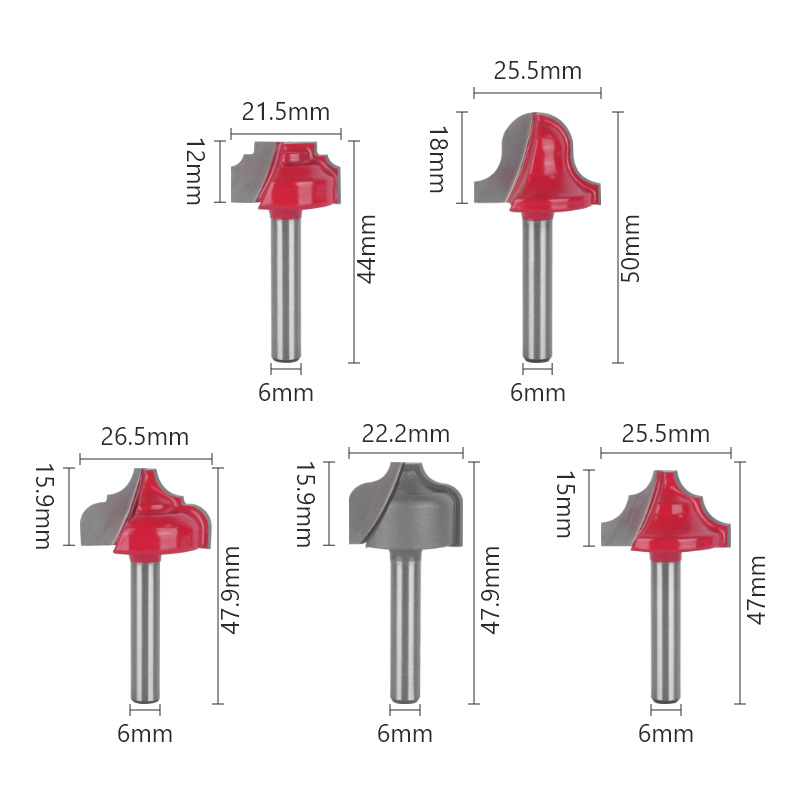
Meanwhile, a mixed box usually offers the best value for a first order. Because you can test several profiles at once, the risk stays low.
In addition, confirm the currency and the payment terms early. Because exchange and payment terms change the true landed cost, they belong in the first conversation.
The Sample Approval Process
A sample is the cheapest insurance in the whole order, so use it properly. Therefore, test wholesale router bits on the exact materials your customers use.
- Order samples of the two or three highest volume sizes.
- Test them on the exact materials your customers use.
- Measure the shank, the diameter and the cutting height.
- Run a cutting test and record the cut quality and life.
- Approve the sample in writing with measured values.
Therefore, keep the approved sample as a reference. Because a later argument about quality needs a baseline, the sample settles it fast.
Meanwhile, test for the failure mode that hurts you most. For a cabinet shop that is chipping; for a CNC shop it is runout.
Traps in Bulk Orders
Most complaints trace back to a short list of avoidable mistakes.
- Similar sizes mixed up, because the markings are unclear.
- Profile confusion between metric and imperial dimensions.
- Inner packing too weak for the transport method.
- Missing labels, so the warehouse cannot identify stock.
- No agreed inspection standard, so disputes drag on.
Therefore, write the packing and labelling requirement into the order. Because a clear label prevents a wrong pick, it saves money downstream.
In addition, agree an inspection method before shipment. A short checklist and a few photos remove most of the doubt.
Packing and Documentation to Request
Most disputes start with packing and paperwork, not with the cutter. Therefore, agree both in writing before production begins.
- An inner box that keeps each cutter apart in transit.
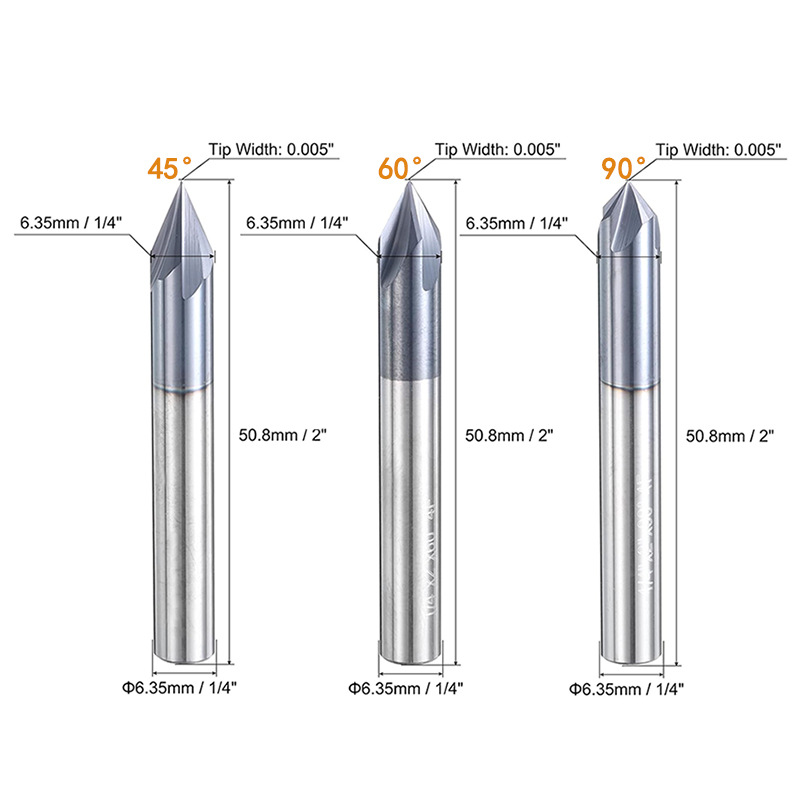
- A label with the size, angle and quantity on every box.
- A packing list that matches the purchase order exactly.
- Grade and coating stated on the invoice and the box.
- Photos of the packed cartons before the shipment leaves.
Because a clear label prevents a wrong pick in the warehouse, it saves money long after delivery. Meanwhile, photographs settle most claims within a day.
In addition, specify the transport method in the order. Sea freight and air freight need different protection, so the packing changes with the route.
Why Wholesale Router Bits Reward a Long-Term Supplier
Switching supplier for a small saving usually costs more than it returns.
A stable partner holds the grade, the tolerance and the profile across years. Because your customers buy on repeat, that consistency protects your name.
Meanwhile, a long relationship improves lead times and support. As a result, urgent orders become easier to place.
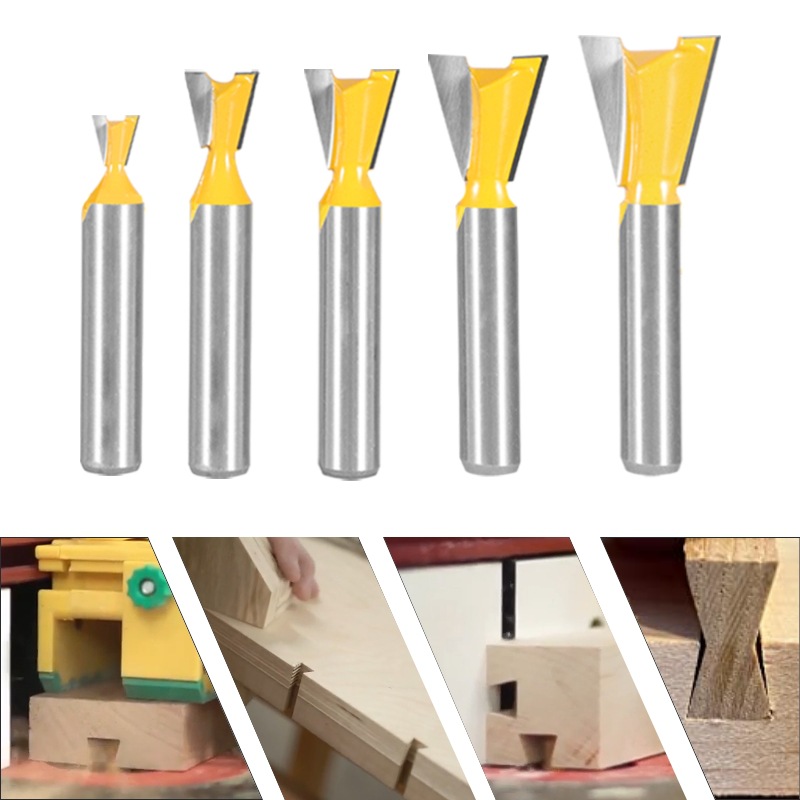
For a broad starting point, review a full router bits range and note which sizes carry the highest repeat demand.
FAQ
What is a normal minimum order quantity? It varies by size, so ask per size rather than per order.
Should I pay for samples? Many suppliers charge, and a paid sample is usually a better test.
How do I compare offers fairly? Compare landed cost at the same grade, coating and tolerance of wholesale router bits.
A written checklist turns a risky purchase into a routine one. Verify the grade, agree the tier, and approve a measured sample. Then build a lasting link with your supplier, and restock a dependable router bit collection without surprises.