Blog
Router Bit Set or Single Bits: Which Should You Buy?


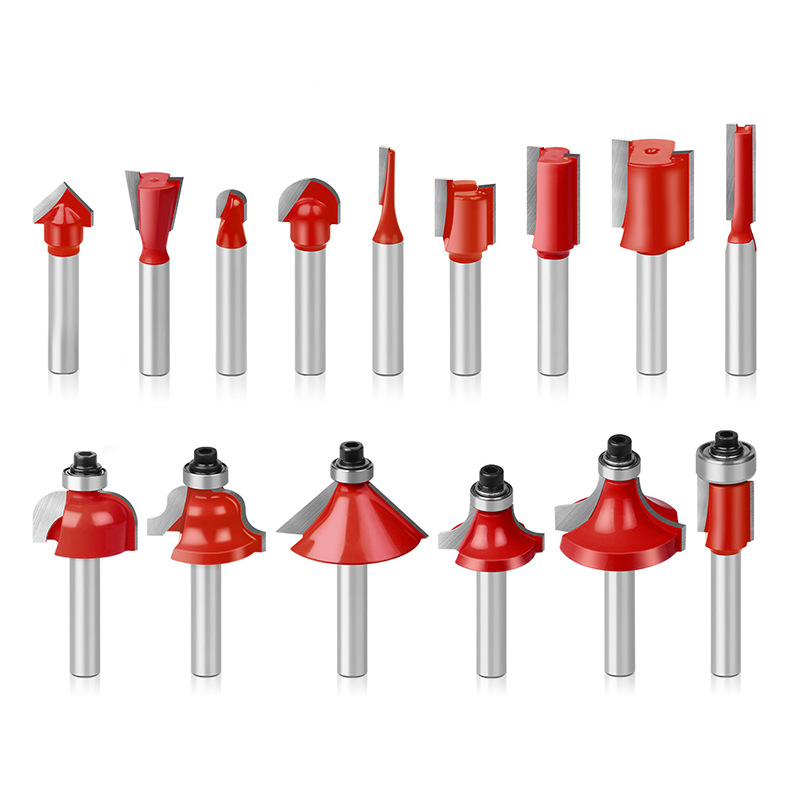
Every new woodworker faces the same shelf question. A big box costs less per cutter, yet a single cutter costs less overall. Therefore, the answer depends on what you plan to build with your router bit set.
This guide compares the two paths, then suggests a practical mix. First we look at the value of a set. Then we look at where sets go wrong.
What a Router Bit Set Gives You
A set solves the problem of not knowing what you need. Because the profiles arrive together, you can try a shape the same day.
- The price per cutter is lower than buying one at a time.
- The storage case keeps cutters apart and easy to find.
- Shank size is consistent across the whole set.
- A set covers several jobs without another order.
- The common profiles usually appear first in a starter box.
Meanwhile, a set suits a workshop that is still exploring. In practice, it removes the guesswork from the first month of cutting.
In addition, sets make good gifts and good starter kits for a school or a club shop.
Where Sets Go Wrong
Not every box deserves the money, so read the contents carefully.
- Some sets pad the count with profiles you will never use.
- Duplicate diameters waste space and add cost.
- Very cheap sets use thin tips that chip early.
- A mixed set may include the wrong shank for your router.
- Large boxes often skip the bearings you actually need.
Therefore, count the profiles that match real tasks. Because five useful cutters beat twenty idle ones, quality matters more than quantity.
Moreover, check the tip thickness and the brand of carbide. A router bit set with thin tips rarely survives hard hardwood.
When Single Bits Make Sense
Once you know your work, single bits become the better value.
- You need one specific profile for a paid job.
- You want a premium cutter for a hard material.
- A job calls for a size that no set includes.
- You are replacing one worn cutter, not the whole box.
- Storage space in your shop is already tight.
Because a single purchase targets one task, the cost per use is easy to justify. Meanwhile, you can spend more on the carbide grade that the job needs.
In addition, a single bit lets you test a profile before you commit to a family of cutters.
A Starter Combination That Works
Most home shops settle on a mix rather than a single box.
- Buy a small starter set for the four most common profiles.
- Add a premium straight bit for grooves and rebates.
- Add a good flush trim bit with a bearing.
- Replace worn cutters one at a time with better grades.
- Skip the huge boxes and grow the collection as work demands.
Therefore, treat the set as a beginning rather than a finish. Because your projects change, your tooling should change with them.
How to Judge Quality Before You Buy
Price alone will not tell you which box to take home. Therefore, look at four details on the packaging.
- Tip thickness: a thick carbide tip survives far longer.
- Brazing: a neat, even joint means a sound bond.
- Shank finish: a ground shank seats better in the collet.
- Bearing quality: a sealed bearing runs cooler and smoother.
- Marked limits: a good maker prints the maximum RPM.
In addition, hold the cutter and turn it in your hand. Because a bent shank is easy to feel, that check takes seconds.
Meanwhile, a router bit set from a maker who sells single cutters is usually a safer bet. The same quality control applies to both.
Budget Split: Three Essential and Two Upgrades
A simple split keeps spending sensible.
- Straight bit: the single most useful cutter in the drawer.
- Roundover bit: softens edges on almost every project.
- Flush trim bit: copies shapes and trims edging.
- Chamfer bit: an upgrade once corners matter.
- Round nose bit: an upgrade for slots and curves.
Meanwhile, spend most of the budget on the first three. Because they carry the daily load, better tips pay back fastest there.
In addition, wait for a real project before buying an upgrade. That rule keeps a router bit set from becoming clutter.
FAQ
Is a big router bit set good value? Only if you use most of the profiles. Otherwise, single bits cost less.
What should a beginner buy first? A small set plus one premium straight bit covers the first year well.
Can I mix shank sizes in one set? Yes, but check your router collet, and keep a reducer sleeve handy.
Start with a small set, then buy single cutters as work demands. That way every purchase earns its place on the shelf. Then compare carbide grades in a reliable router bits range. For the wider picture, review a fuller router bit collection as your work grows.