Blog
Router Bit Speed Chart: Match the RPM to Cutter Size


Speed is the setting most woodworkers guess at, and the results show it. Therefore, a router bit speed chart belongs on the wall of every shop. It converts cutter diameter into a safe working RPM.
This guide explains why speed matters, then gives a table by diameter. After that, we adjust the numbers for wood species and for real setups.
Why Speed Goes Wrong
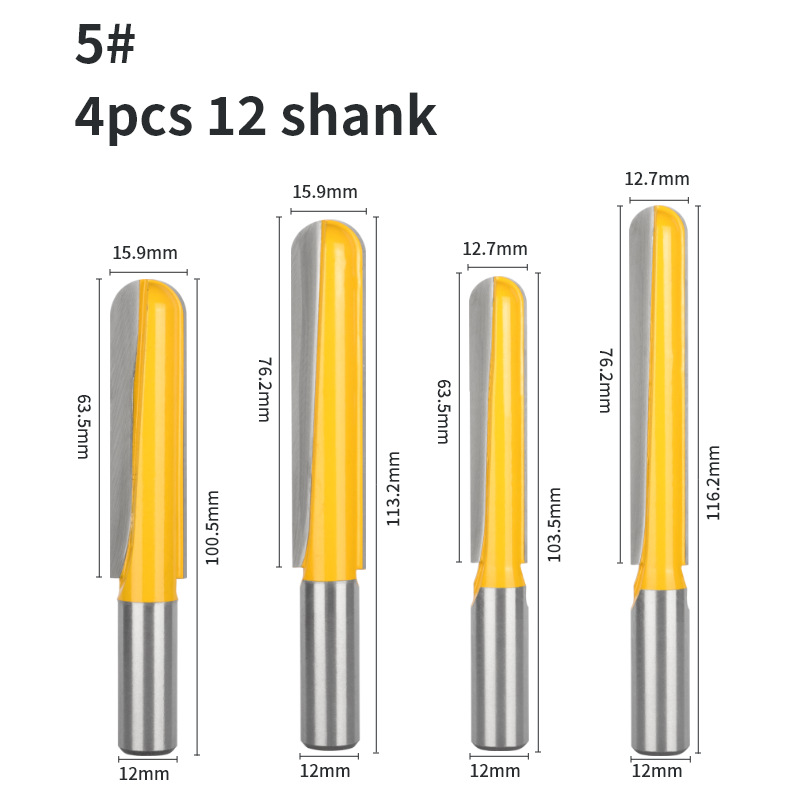
The rim of a cutter travels faster as diameter grows. Because the rim speed drives friction, a large cutter heats wood quickly at high RPM.
Too much speed burns the surface and dulls the edge. Meanwhile, too little speed lets the cutter rub instead of slice. As a result, the grain tears at the exit corner.
In short, the goal is a speed where the edge cuts cleanly and the chip carries heat away. That is exactly what the chart below provides. In fact, a router bit speed chart assumes a sharp cutter, so replace a dull one before you chase numbers.
Router Bit Speed Chart by Diameter
Work down this list until you reach your cutter size. Then set the closest available speed.
- Up to 1 inch diameter: about 24,000 RPM.
- 1 to 1.5 inches: about 18,000 RPM.
- 1.5 to 2 inches: about 16,000 RPM.
- 2 to 2.5 inches: about 14,000 RPM.
- 2.5 to 3.5 inches: about 12,000 RPM.
- Over 3.5 inches: about 10,000 RPM or slower.
Therefore, treat the figures as ceilings rather than targets. If the cut burns, step down one setting and test again.
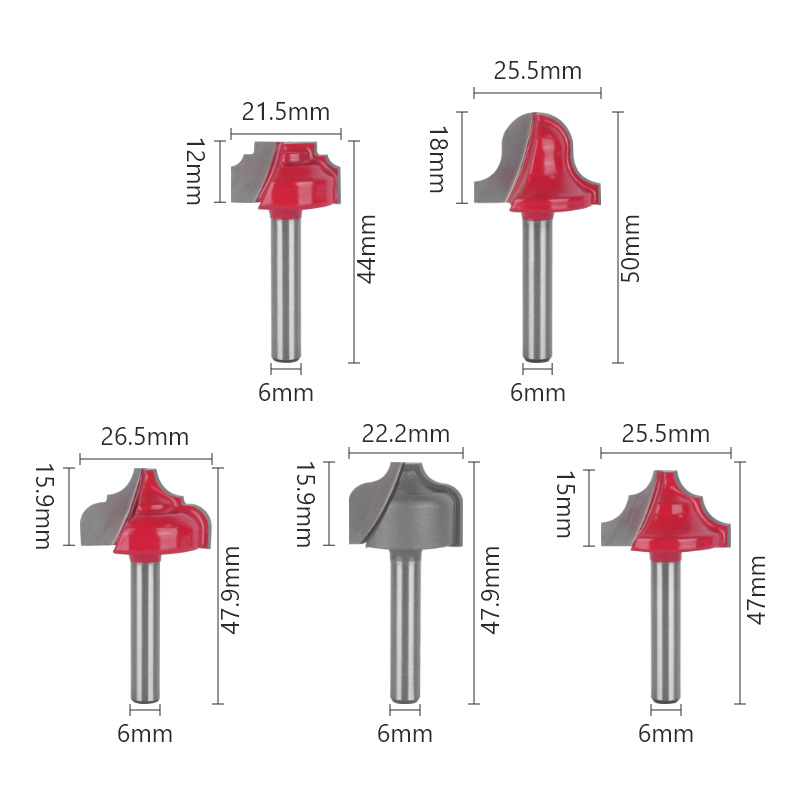
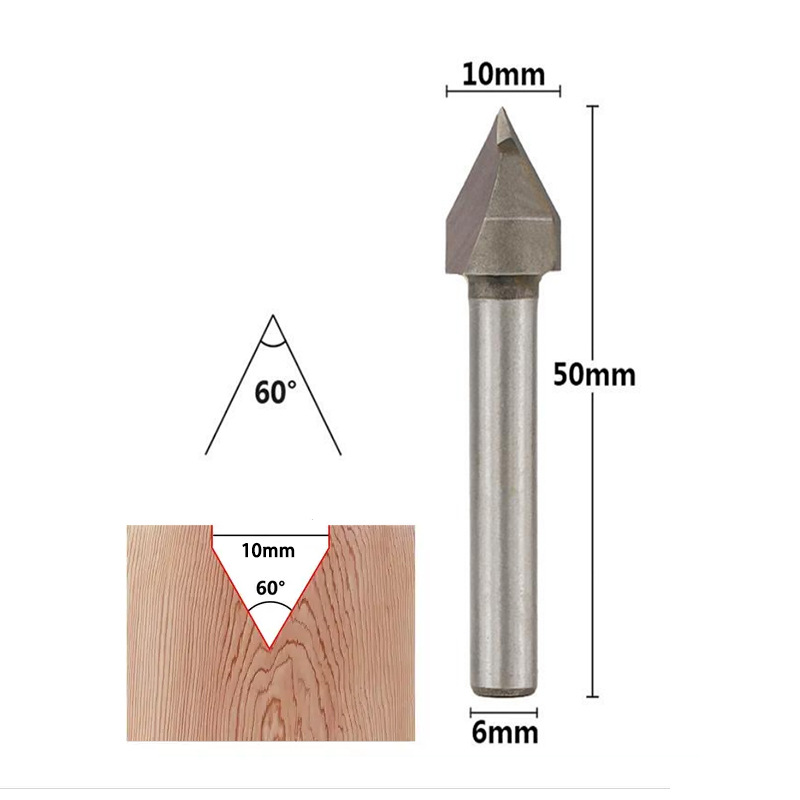
In addition, note the maximum RPM marked on the cutter. Because that limit overrides the table, read it before every new tool.
Adjusting for Wood Species
Species change the ideal speed, so plan for the material in front of you.
- Softwood tolerates a higher RPM and a faster feed.
- Hard hardwood prefers a slightly lower RPM for a clean cut.
- MDF needs a moderate speed, plus excellent dust extraction.
- Plywood tears at high speed, so slow the cutter a little.
- Resinous tropical wood burns easily, so reduce the RPM early.
Meanwhile, a sharp carbide edge widens the safe window a great deal. Because a dull edge rubs, it needs more speed to cut at all, and that path leads to burning.
Therefore, set the speed for the wood, not for habit. A small change often removes scorch marks completely.
How to Set the Speed in Practice
Follow the same sequence on a variable speed router.
- Look up the cutter diameter in the table above.
- Set a modest depth for the first pass.
- Start at the chart value and make a short test cut.
- Read the chip: fine dust means the speed is too high.
- Read the surface: shine and scorch mean the same thing.
- Step the speed down until the chip is warm and solid.
Because chip size tells the truth about speed, keep the test piece nearby. In practice, a good chip looks like a small shaving, not like flour.
Moreover, keep the feed rate steady. A router bit speed chart assumes a steady hand, since a slow spot burns the wood under the cutter.
Safety Rules That Overrule the Chart
Some limits matter more than any recommended number.
- Never exceed the maximum RPM printed on the cutter.
- Never run a large body at high speed in a small router.
- Always wear eye and hearing protection.
- Keep the work clamped, and keep both hands clear.
- Stop at once if you hear a new or rising vibration.
Therefore, treat the chart as a starting point and your ears as a second check. A change in pitch usually means something has moved. In practice, most shops keep the router bit speed chart taped to the fence, right where the work happens.
In addition, cut a few test pieces in each new species. A small sample tells you more about speed than any general rule, and it costs almost nothing.
For cutters that suit your machine, compare shank sizes in a wider router bits range before you order.
FAQ
Can I run a small bit at maximum speed? Often, yes. However, a router bit speed chart should still guide the setting.
Why does my cut burn at the chart value? Usually the feed is too slow. Raise the feed before you lower the RPM.
Do I need a variable speed router? For large raised panel cutters, yes. For small bits, a single speed often works.
Set the speed by diameter, then fine tune by chip and surface. After that, safety limits and the tool markings win every argument. Finally, keep a dependable router bit collection on hand, and every cut will run cool.