


Blog
Router Bit Selection: 5 Factors to Pick the Right Cutter

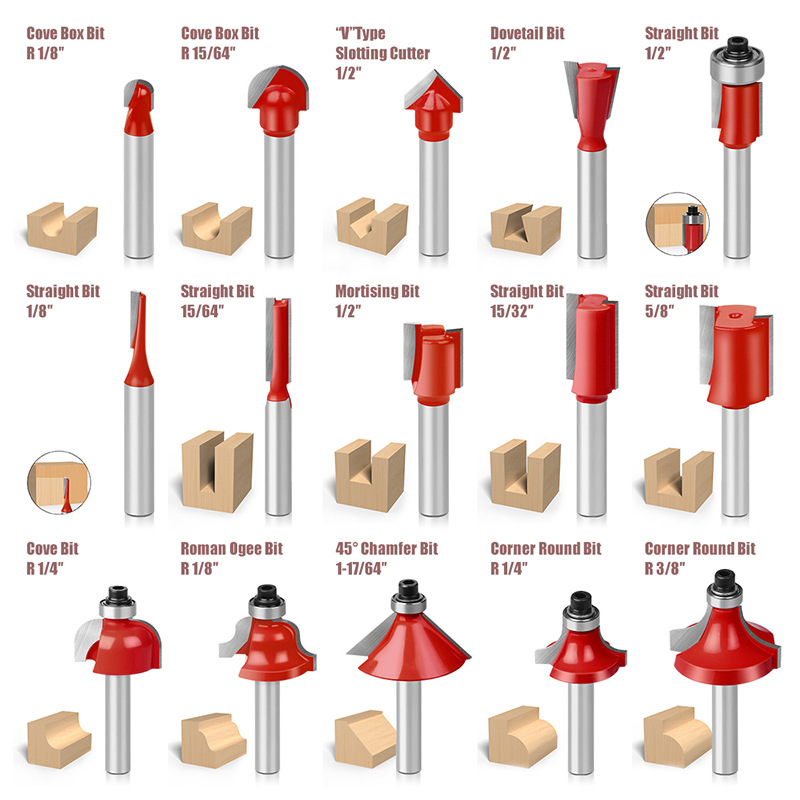
A good router bit selection turns a basic trim router into the most useful spinning tool in the shop. The right cutter gives clean edges, tight joints, and safe operation from the first pass. With hundreds of profiles on the market, the choice can feel confusing at first. This guide breaks the decision down into five clear factors you can check before you buy. Whether you are a weekend maker or run a small production shop, these points help you choose with confidence and avoid costly mistakes.
Why Router Bit Selection Matters
The bit decides the cut, not the machine. A poor match wastes material and risks kickback during the pass. In addition, the wrong steel or shank can fail under load and ruin a finished panel. Therefore, a few minutes of planning saves hours of rework later. A smart router bit selection also keeps your project budget under control and reduces strain on the motor. When the profile matches the wood, the finish looks professional with far less sanding.
Router Bit Types You Should Know
Every router bit types serves a different job, so learn the common shapes first. Straight bits cut grooves, dados, and mortise recesses for joinery. Flush-trim bits ride a bearing to match one surface to another exactly. Chamfer bits bevel a 90-degree corner for a clean look or a mitered seam. Edge-forming bits shape decorative profiles such as round-over, ogee, and cove. Rabbeting bits cut a shoulder near an edge using a changeable bearing. V-groove bits carve signs and decorative lines into soft material. Molding bits build larger architectural profiles, usually on a router table. Joinery bits, including dovetail, drawer-lock, and lock-miter, build strong connections. Stile-and-rail sets form frame-and-panel doors with a single matched pair. Once you know these router bit types, list your cuts before you shop so you buy only what you need.

Match the Bit to Your Project
The project drives the profile you need. Door work calls for stile-and-rail and raised-panel bits. Edge details need round-over or chamfer bits for a soft or beveled finish. Box joints and drawers rely on dedicated joinery cutters for a tight fit. Softwoods cut easily with standard bits, while dense hardwoods and plywood demand sharper carbide edges. Therefore, start from the cut list, then pick the bit that matches it. This step prevents buying shapes you will never use and keeps the kit lean and affordable.
HSS vs Carbide: Choose the Right Material
Most cutters are high-speed steel (HSS) or carbide, and the steel changes everything about the result. HSS costs less and shrugs off minor impacts, which suits beginners and rough workshops. However, it dulls faster under heavy use and needs more frequent touch-ups. Carbide holds an edge far longer and stays sharp through long production runs. On the downside, carbide chips if you drop it on a hard floor. For frequent work, carbide pays for itself in fewer replacements and steadier cuts; for occasional hobby use, HSS is perfectly fine. Match the material to how often you actually cut, and your router bit selection will stay practical and cost-effective.
Shank Size: 1/4-Inch or 1/2-Inch
Shanks come in 1/4-inch and 1/2-inch, and many routers accept both through a swap-in collet. The 1/4-inch size fits most machines and costs less, but it can deflect and chatter on deep or wide passes. The 1/2-inch shank is stiffer, vibrates less, and gives better control on demanding cuts. Importantly, confirm your collet matches the shank before purchase, because a loose grip causes runout. For deep grooves or hardwood, choose the larger shank whenever the router allows it for a cleaner, safer result.
Sharpness and Edge Quality
A sharp bit cuts fast and leaves no burn marks on the wood. A dull one slows the motor, scorches the surface, and leaves a rough face you must sand later. New bits should ship factory-honed, though you cannot always see the edge in photos. Look for brands you can resharpen to keep a thin, keen cutting line. As a result, your cuts stay clean and your downtime drops between projects. A quick thumbnail test on the flute tells you when it is time to touch up. Notably, router bit selection also depends on edge quality, so favor cutters with a fine, even hone.
Your Buying Checklist
Before checkout, confirm five things: the profile your project needs, the bit type, the material (HSS or carbide), the shank size your collet accepts, and the sharpness rating. Write them down and compare options side by side for the best value. Pair this list with quality router bits from a trusted source, and you will rarely buy the wrong cutter. For the full range, browse our complete router bit collection before your next build, then match the bit to the job with confidence. A disciplined router bit selection turns every purchase into a tool you will actually use.











