


Blog
CNC Router Bits: Complete Guide to Woodworking Cutting Tools

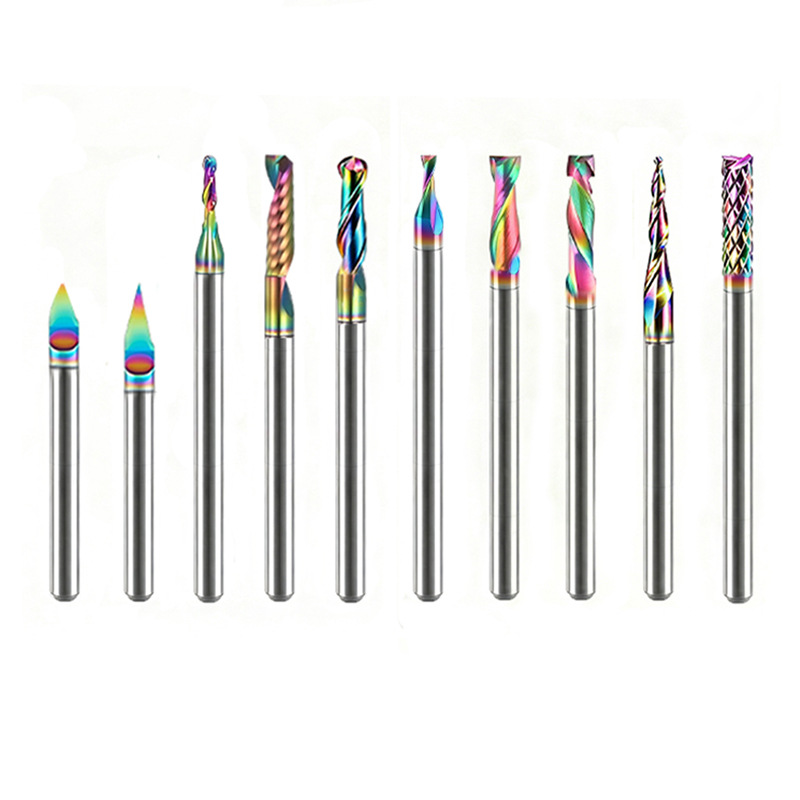
Computer-controlled woodworking has changed how shops cut, drill, and shape parts. At the heart of that change are CNC router bits. These cutters are built for machining centers, CNC routers, and six-sided drills. Unlike hand-feed bits, they must hold tight tolerances. They also run for long shifts and swap fast through an automatic tool changer. This guide explains what they are. It covers how they are classified, the technologies behind them, and how to pick the right one for your job.
What Makes a CNC Cutting Tool Different
A CNC cutter is defined by precision and consistency, not just shape. The shank is usually ground to h6 tolerance. This keeps radial runout within 0.02 to 0.03 mm after clamping. That small error holds the cut profile accurate and extends edge life. In addition, the body is balanced to a G6.3 grade. This stops vibration at high rpm. Therefore, a well-made tool protects both the spindle and the operator during long runs.
Core Requirements for Automated Wood Shops
Four needs drive every design choice for CNC router bits. First, high rigidity and accuracy keep contours true on every part. Second, long tool life comes from super-hard materials. Carbide and PCD diamond cut changeover frequency on the line. Third, smart chip evacuation matters a lot. Optimized flutes and gullets clear swarf so the cutter will not jam. Finally, standardized shanks like HSK, BT, or ISO let the ATC swap tools in seconds. This consistency keeps output steady across a full shift without manual resets.
Drilling Tools for Clean Holes
Hole-making starts with the CNC wood drill. A double spiral flute clears chips fast. A centered point and anti-burr edge leave a clean hole in panel furniture. For abrasive boards, the PCD drill brazes a diamond tip to the edge. As a result, its life runs more than five times longer than carbide. This holds true on fire-rated or metal-filled sheets.

Milling Cutters: The Workhorses
Most CNC work uses milling cutters. The solid carbide router bits end mill often has up-cut, down-cut, or compound spiral flutes. It handles contouring, grooving, and carving on the center. Up-cut flutes pull chips up and clear the path, while down-cut leaves a clean top edge. For heavy removal, an indexable mill clamps replaceable inserts to a holder. When an edge wears, you rotate or swap the insert instead. Moreover, the CNC spiral wood cutter carries four machined flutes. It gives fast edge changes and clean chip flow for trimming.
Profile, Grooving, and Tenon Cutters
Form cutters shape a finished edge in one pass. A profile cutter matches the final part contour exactly. Cabinet doors and window frames come out ready without extra sanding. Grooving and tenon tools fix the weak points of fixed saw blades. Spring damping and anti-slip stops let you cut accurate slots. A scoring blade prevents chipping on the shoulder during the pass.
Turning and Specialized Tools
Specialized CNC router bits cover turning and hard stock. A modern wood lathe tool carries a circular saw and a round knife. Each is driven by its own motor for low-loss turning. The double-edge bidirectional cutter adds symmetric edges on a replaceable head. At the high end, PCD tools slice hard, abrasive stock at speed. They represent the premium tier of digital wood manufacturing today.
Key Technologies Behind the Cut
Modern cutters are digital products. CAD models optimize the geometry first. CAM software then writes the grinding program for the shop. Five-axis tool grinders hold tight, repeatable edges. Coatings such as TiN or TiAlN lower friction and extend life. Fluoropolymer layers also improve chip release on the flute. Furthermore, dynamic balancing and h6 shank grinding are verified before shipping.
How to Select and Use CNC Router Bits
Match the tool to the stock first. Solid wood, particleboard, and MDF run well on general carbide. Laminate and high-glue panels need spiral or PCD edges to avoid chipping. Next, match the operation to the cutter you choose. Roughing favors indexable cutters with big chip room. Finishing wants a keen, low-runout solid or PCD mill for a clean face. Before cutting, check radial runout with a dial indicator. Keep the shank and collet clean so clamping force stays even across the hold. A quick test cut on scrap confirms the setup before you run the whole batch.
Where the Technology Is Heading
Four trends shape the next decade. Intelligent tools embed sensors that watch wear online. Composite tools combine grooving and trimming in one body. Green manufacturing adopts cleaner coatings with less load. Specialized cutters target exact materials and processes like 3D carving. Most shops keep a core set of CNC router bits for daily work on the floor. Pair these advances with complete CNC router bit range from a trusted source. For the full catalog, browse our quality carbide router bits before your next build.











