Blog
Woodworking Milling Cutters: How to Select Diameter, Blades and Cutter Body

Choosing between milling cutters starts with three things: the machine you run, the material you cut, and the numbers on the tool. Every cutter is a rotary tool with one or more cutting edges, and each tooth removes material intermittently in sequence. In practice, that means diameter, blade geometry and body construction decide how the tool behaves. This guide breaks those decisions down with workshop logic rather than catalogue marketing.
01 Key Selection Factors
Pay close attention to the following points before you pick any rotary tool for milling. Most workshops begin with woodworking milling cutters, since panel trimming and profiling pay the bills. First, confirm whether the job runs on a CNC machining centre or a conventional machine. Second, clarify the workpiece material and its hardness. Finally, never overlook specifications such as overall length and cutting diameter.
Use solid carbide cutters on CNC machining centres. On conventional machines, high-speed steel (HSS, also called white steel) remains a sensible choice.
Compared with carbide, white steel is softer. HSS tools cost less and offer good toughness, yet they have limited rigidity, so they deflect more easily. Wear resistance and hot hardness are also comparatively poor.
HSS versions reach hot hardness around 600 °C and roughly 65 HRC. So when you machine hard materials without enough coolant, they burn quickly because that hot hardness is inadequate.
Now let us go through selection from three dimensions: diameter, blades and cutter body. Diameter applies to every family of milling cutters, from face mills to slotting tools.
02 Choosing Cutting Diameter
The right diameter varies greatly with product type and production batch. Above all, it depends on machine tool specifications and workpiece dimensions.
Face Mills
When selecting a face mill, keep power consumption inside the machine’s power rating, and use the spindle diameter as a reference too. A practical formula is D = 1.5d, where d is the spindle diameter. For mass production, set the diameter to about 1.6 times the cutting width of the workpiece.
End Mills
End mills are the most common of all milling cutters on small machines. Their diameter follows the machining requirements of the workpiece, again keeping power demand within the rated power of the machine. With small-diameter tools, check that the maximum spindle speed can meet the minimum cutting speed requirement of 60 m/min.
Slotting Cutters
Diameter and width for slotting work follow the workpiece size, and cutting power must stay within what the machine allows.
03 Blade Selection
Different blades deliver different accuracy and surface quality. Swapping inserts often changes a job more than buying new milling cutters, so weigh the points below.
Finish Machining: Ground Blades
Ground blades offer high dimensional precision, so cutting edge positioning stays accurate. Consequently, they give excellent machining precision and surface roughness. One development trend in finish-ground inserts is pre-machined chip-breakers that form large positive rake edges. Those edges allow cutting at low feed rates and shallow depths of cut.
Carbide inserts without sharp rake angles tend to rub against the workpiece at small feeds and shallow cuts. That rubbing generates heat, and it shortens tool life considerably.
Rough Machining: Pressed Blades
Pressed inserts are preferred for roughing because they reduce processing costs. Their dimensional accuracy and edge sharpness fall below ground blades, yet their edge toughness is strong. Therefore, they withstand heavy impact, large cutting depth and high feed rates in roughing.
Pressed inserts sometimes include chip grooves on the rake face, which lowers cutting force, reduces friction between chips and tool, and cuts power consumption.
Combined Blade Setup
Most cutter seats accept pressed inserts plus one ground wiper insert. The wiper removes the tool marks left by roughing, so the finish is far better than pressed inserts alone can achieve.
Wiper inserts also shorten cycle time and lower production cost, and this wiper technology has been widely adopted in turning, grooving and drilling.
04 Cutter Body Selection
Quality tooling is expensive, so match the body to your actual machining needs rather than buying by habit. Body rigidity also decides how long your milling cutters last under real load.
Number of Teeth
Tooth count matters a great deal. Take two bodies of the same size: a 100 mm rough-tooth body may carry only 6 teeth, while its fine-tooth twin holds up to 8. Tooth pitch determines how many cutting edges engage at once, which affects both cutting stability and machine power demand. That is why most manufacturers publish separate rough-tooth and fine-tooth series.
Chip Gullets
Rough-tooth bodies suit roughing because their chip gullets are larger. Too little gullet space leads to poor chip curling and heavier friction between the chips, body and workpiece. At the same feed speed, each tooth on a rough-tooth tool also carries a heavier cutting load than on a fine-tooth one.
Face Mills for Rigid Spindles
On machines with large taper holes and rigid spindles, fine-tooth tools can handle rough milling as well, since more cutting edges stay engaged. With deep cutting depth (1.27–5 mm), check machine power, rigidity and chip gullet capacity first. Verify chip evacuation through trial cuts, and adjust parameters promptly if chips clog.
During heavy rough milling, excessive cutting force causes chatter on weakly rigid machines. That chatter then chips carbide inserts and shortens tool life. Rough-tooth bodies reduce power demand, so they deliver reliable results on spindles with small taper holes such as R-8, 30# and 40#.
Where Router Bit Sets Fit
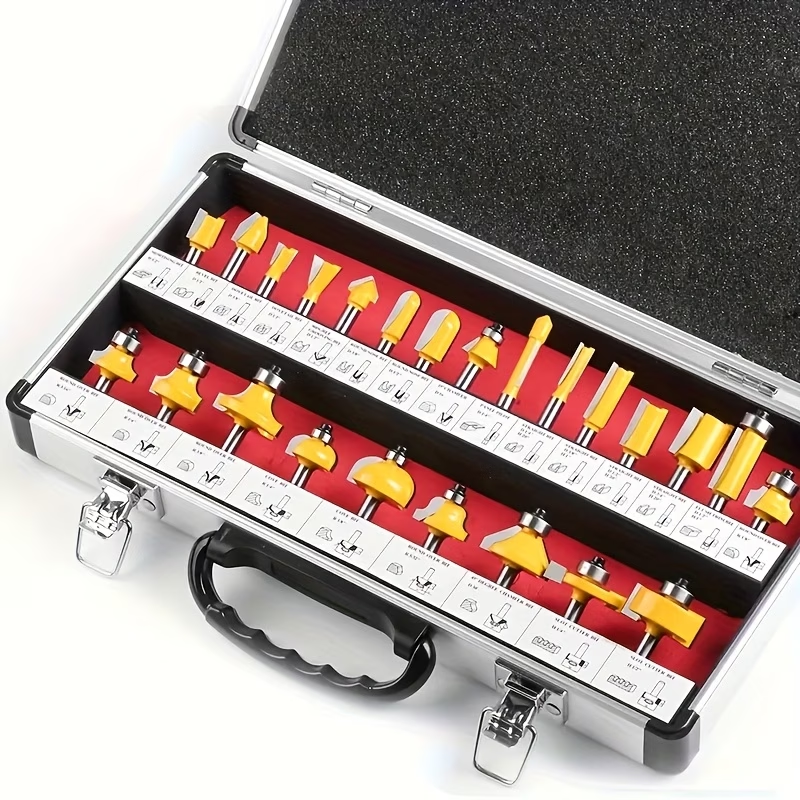
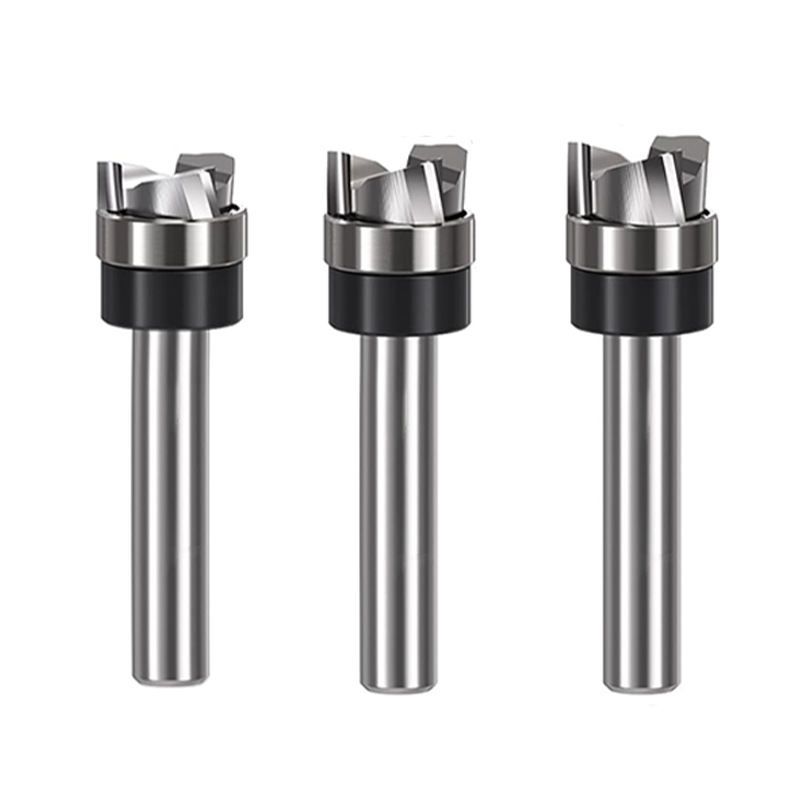
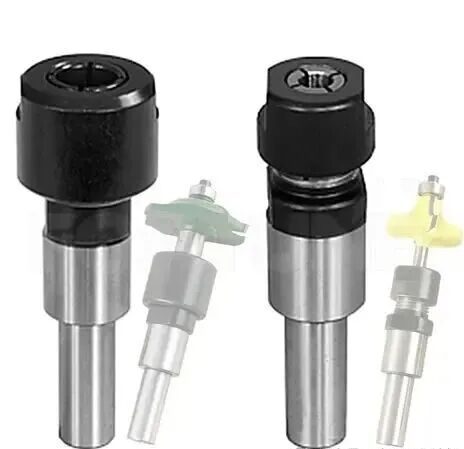
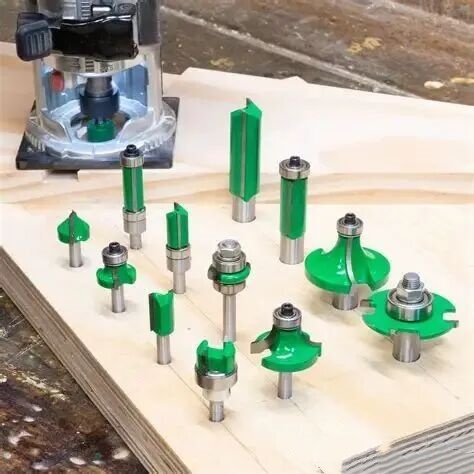
Shops often run metal and wood work side by side, and the tooling overlaps without being interchangeable. Cutter bodies described above mount in milling machine spindles, get rated by hot hardness and remove steel or cast iron. Woodworking tools are different again, because they mount in a router collet and cut timber, MDF or sheet goods at much higher spindle speeds.
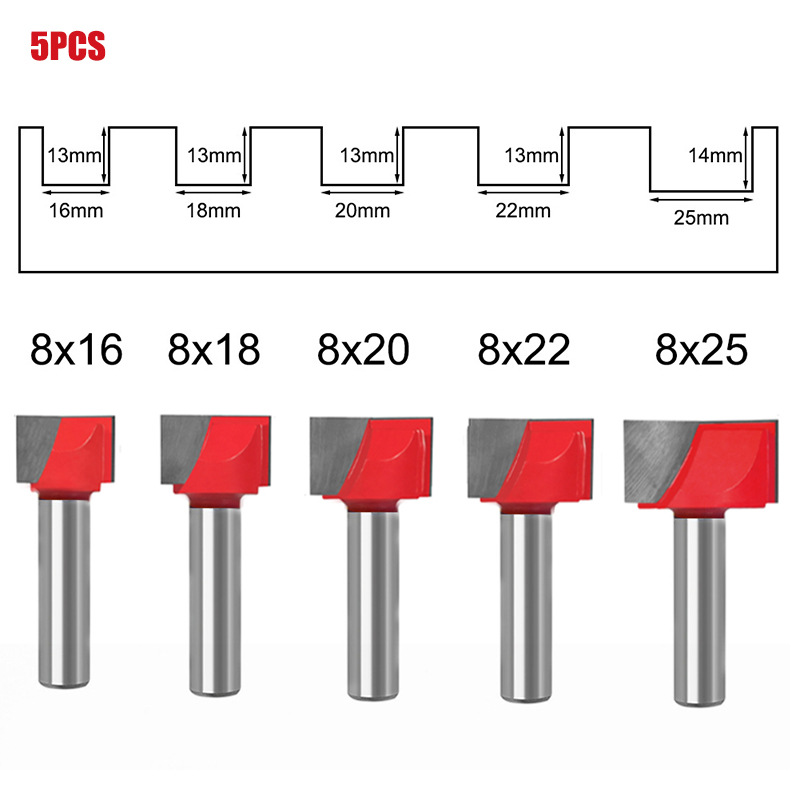
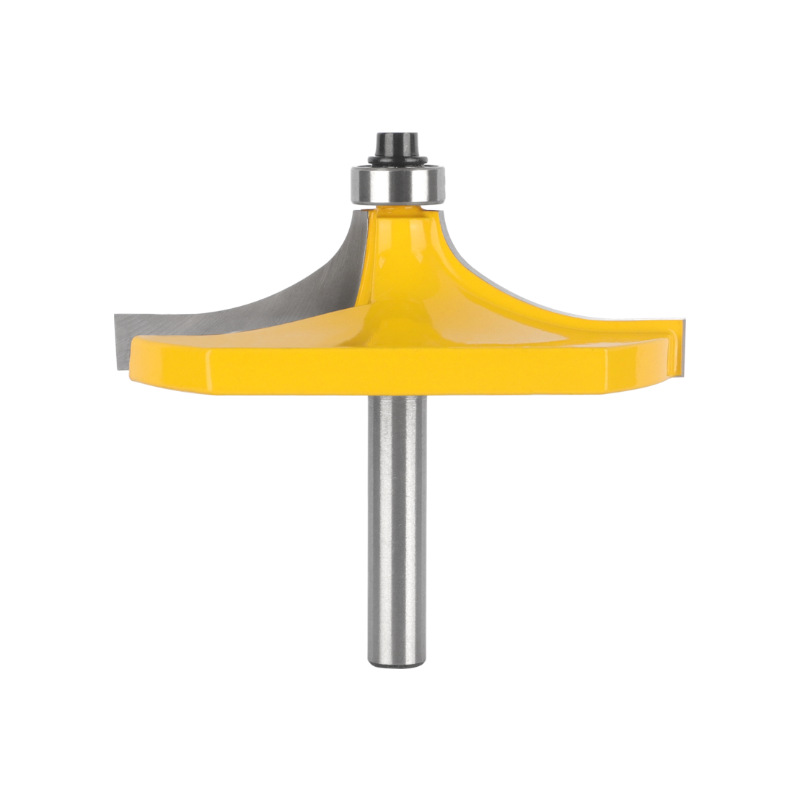
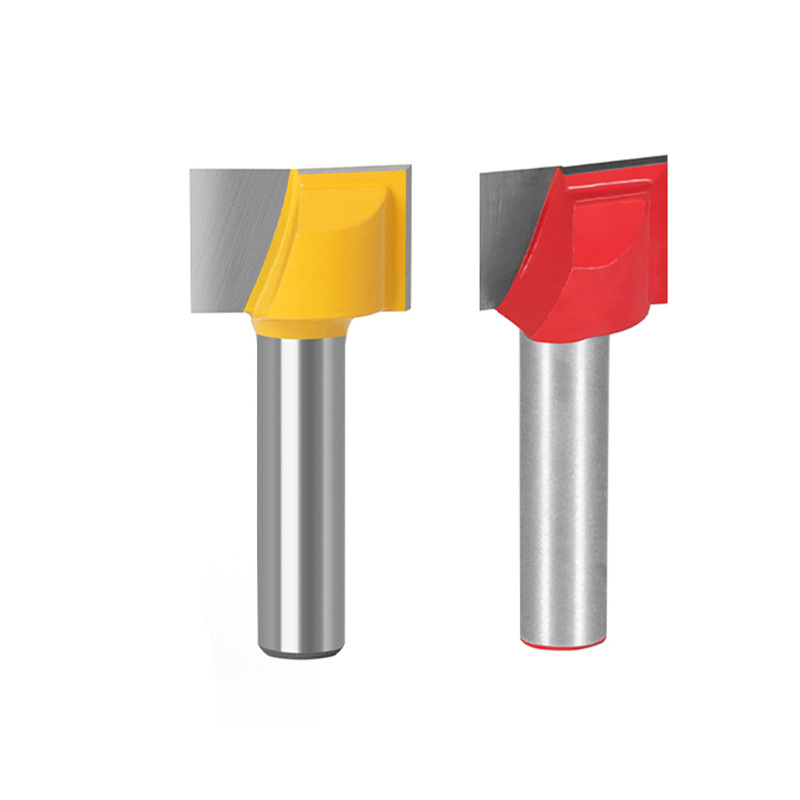
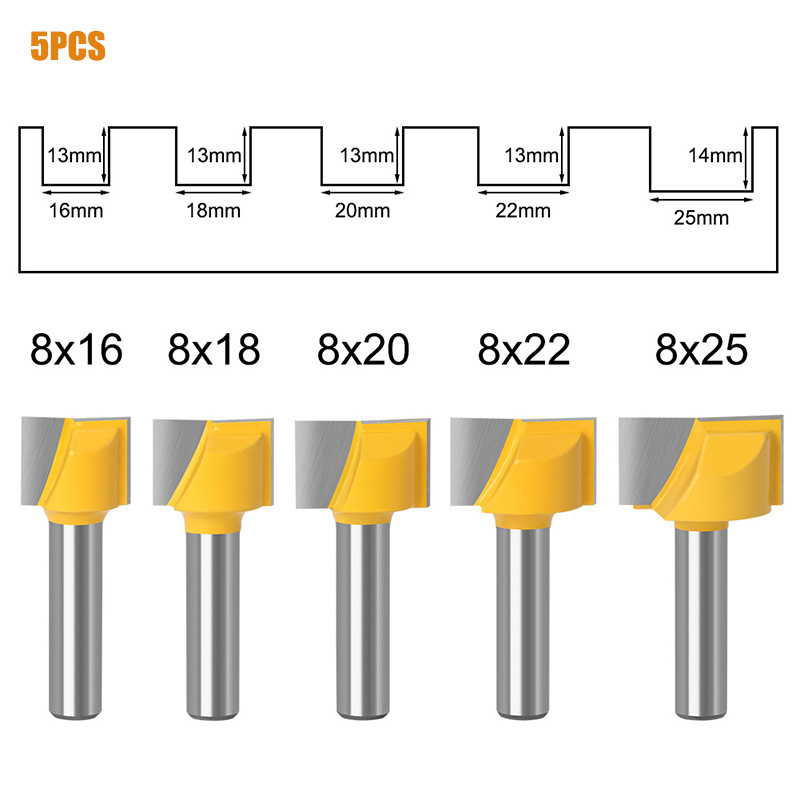
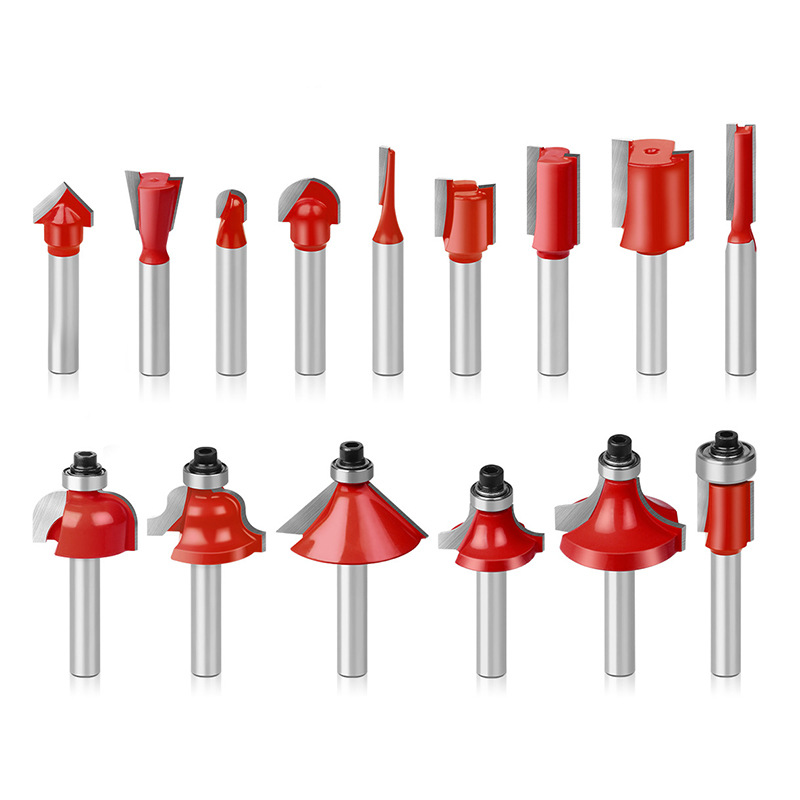
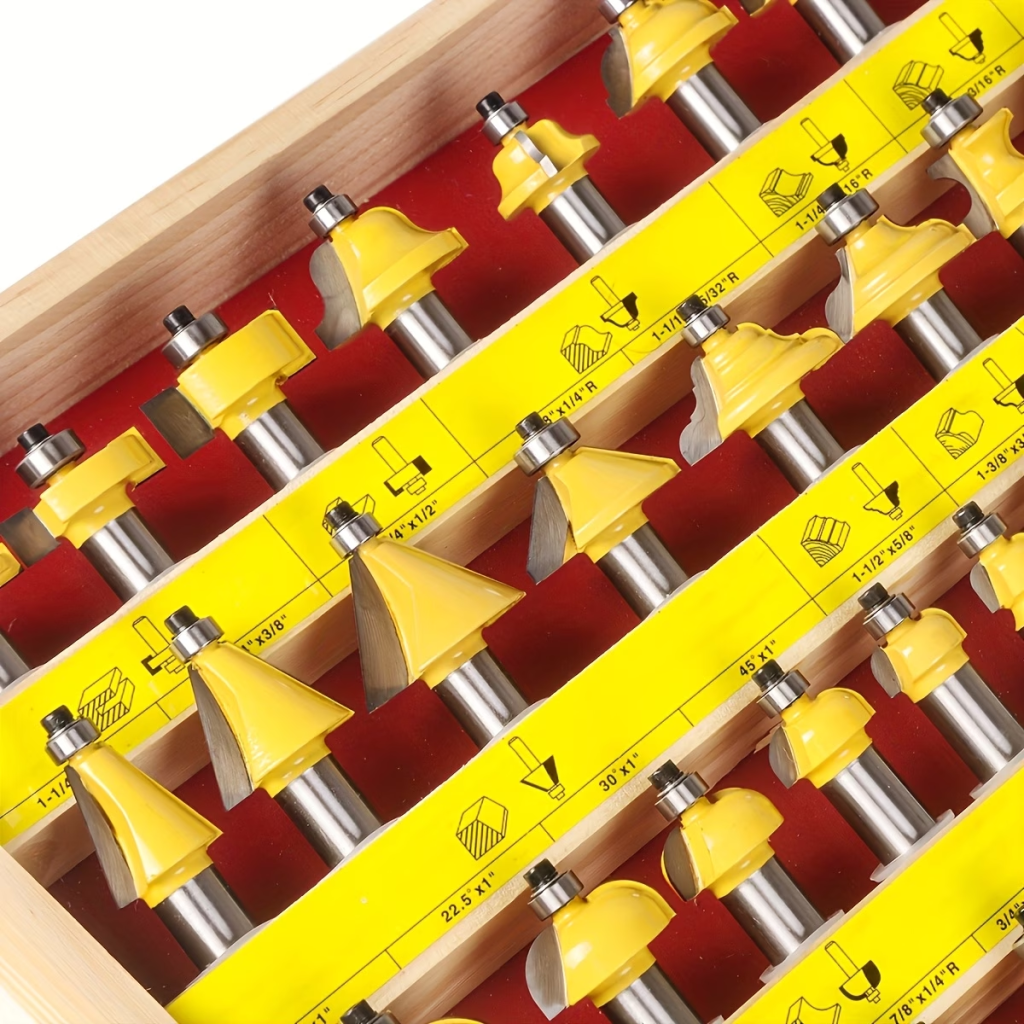
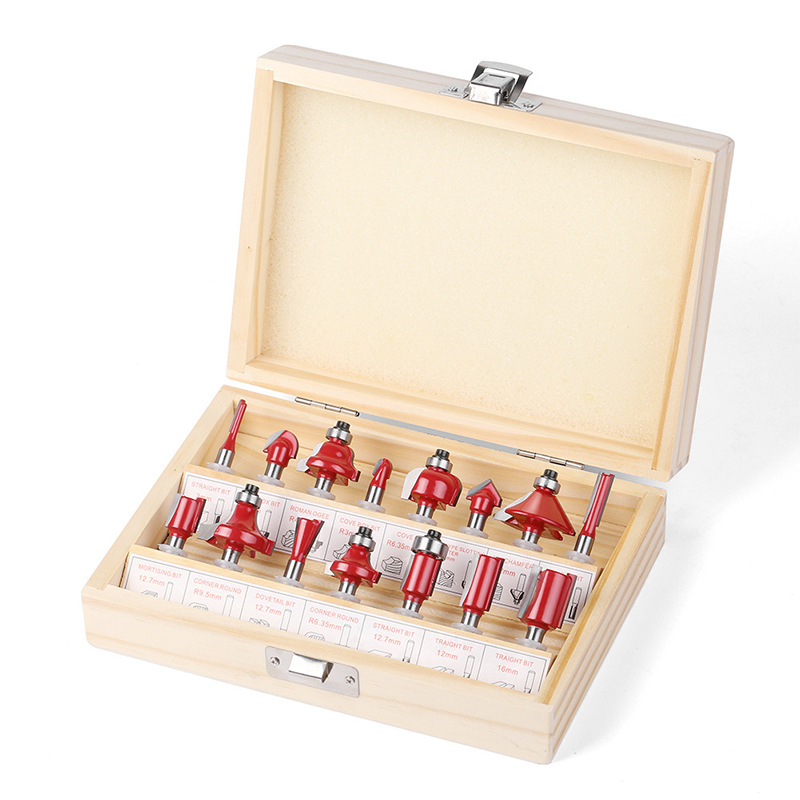
So how do you choose on a Monday morning? For wood panels and decorative boards, reach for woodworking milling cutters and reusable sets rather than metal-cutting tooling; our router bit sets cover most profiling and trimming jobs in one kit. For steel, follow the four sections above and check power, rigidity and chip space. Keep the two families separate, and every job starts with the right tool already in the spindle.
Frequently Asked Questions
Are milling cutters the same as router bits?
No. Both are rotary tools, yet router bits mount in router collets and are shaped for wood. Metalworking milling cutters mount on machine spindles, and they are rated for hot hardness and chip load on steel.
How do I pick a diameter for small CNC work?
Start from the workpiece size, then confirm that your spindle reaches the minimum cutting speed for the chosen diameter. Small tools often need spindle speeds the machine cannot deliver.
When should I choose pressed blades over ground ones?
Choose pressed blades for roughing with heavy impact, deep cuts and high feed rates. They cost less per edge and resist chipping, whereas ground blades serve finishing.
Final Checks Before You Buy
Run through this short list before ordering: machine type, material hardness, required diameter, blade grade and tooth count. Failures blamed on poor-quality milling cutters usually come from the wrong grade or diameter instead. If wood is your main stock, skip metal-grade steel tooling and save money on general-purpose kits instead; browse our router bit sets for woodworking for profiling, trimming and chamfering in one purchase.