


Blog
Custom Specification Matching of Trimming Router Bits for Jig and Fixture Processing

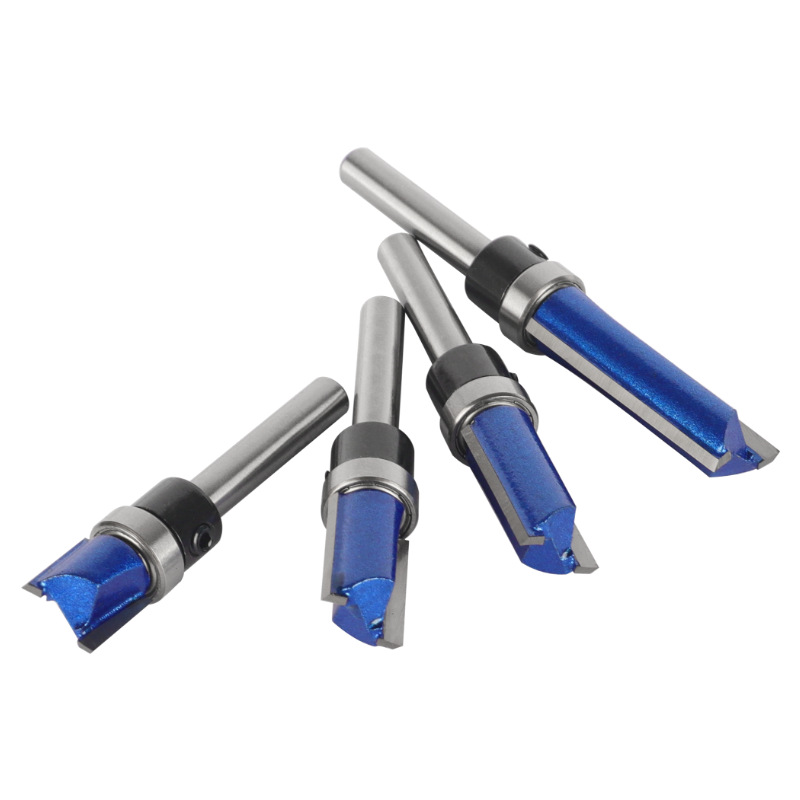
Tool Matching Logic for Specialized Woodworking Jigs
In standardized furniture factories and professional woodworking workshops, various jigs and fixtures are often used to realize batch standardized processing, and the matching of trimming router bits and straight router bits directly determines the qualified rate of finished products. Universal standard woodworking router bits cannot adapt to all fixture processing needs, and customized specifications of tool diameter and cutting edge length are required for targeted matching.
Taking finger joint tenon fixtures, hinge mortise fixtures and box body splicing jigs as examples, different fixture sizes and workpiece thicknesses correspond to exclusive woodworking router bit parameters. If the tool diameter or cutting depth does not match the fixture standard, it will lead to inconsistent tenon size, unqualified mortise depth and poor splicing tightness of batch workpieces.
Parameter Customization of Trimming Router Bits
For fixed fixture processing, workers need to configure corresponding trimming router bits according to conventional workpiece thickness. For thin plate processing, match short-edge and small-diameter woodworking router bits to avoid over-cutting and structural damage. For thick plate tenon processing, select long-flute straight router bits and trimming router bits to ensure one-time forming of tenon depth.
Different tool specifications can form a complete tool set for fixture matching, covering multi-thickness workpiece processing requirements. This standardized tool matching mode makes batch processing data unified, workpiece specifications consistent, and greatly reduces manual debugging and error rate.
Long-Term Value of Standardized Tool Matching
Enterprises that rely on jigs for mass production need to establish a complete woodworking router bit specification library. Through targeted matching of trimming router bits and straight router bits, the standardization and stability of the production process are realized. Customized tool specifications can maximize the advantages of fixture processing, improve production efficiency, reduce defective products, and create stable quality guarantees for long-term batch production of wood products.