


Blog
Bottom Cleaning Router Bit: Flatten Panels and Spoilboards

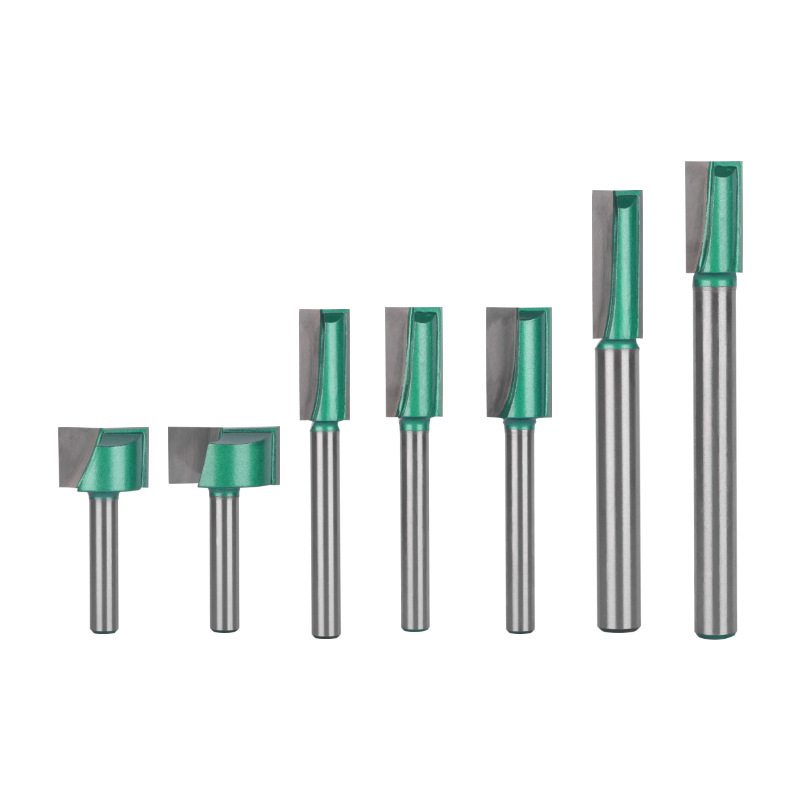
Slab tops, glued panels and spoilboards all need one thing: a flat reference face. Therefore, a bottom cleaning router bit earns its place in any shop that sizes its own stock. It leaves an even floor while the cutter stays square to the work.
This guide covers what the tool does, how to size it, and how to set depth and stepover. First we look at the geometry. Then we look at the process.
What the Tool Actually Does
The cutter has two or three wings set very close to the bottom of the body. Because the wings sit nearly flat, they shear the floor rather than scrape it.
Meanwhile, the short side edges clean the wall in the same pass. As a result, one tool handles the floor and the corner together.
Because the cutting edges are wide, the chip is thin and broad. Therefore, the surface comes out flat with little sanding afterwards.
Where It Earns Its Keep
The tool suits a handful of repeated jobs, and it saves time on all of them.
- Flattening CNC spoilboards so the vacuum holds again.
- Sizing glued-up panels before final thicknessing.
- Cleaning shallow recesses for inlays and hardware.
- Levelling wide slabs that will not fit a planer.
- Truing the bottoms of shallow trays and boxes.
Therefore, a bottom cleaning router bit suits wide flat work rather than deep pockets. In practice, deep pockets belong to a spiral cutter instead.
Picking a Bottom Cleaning Router Bit
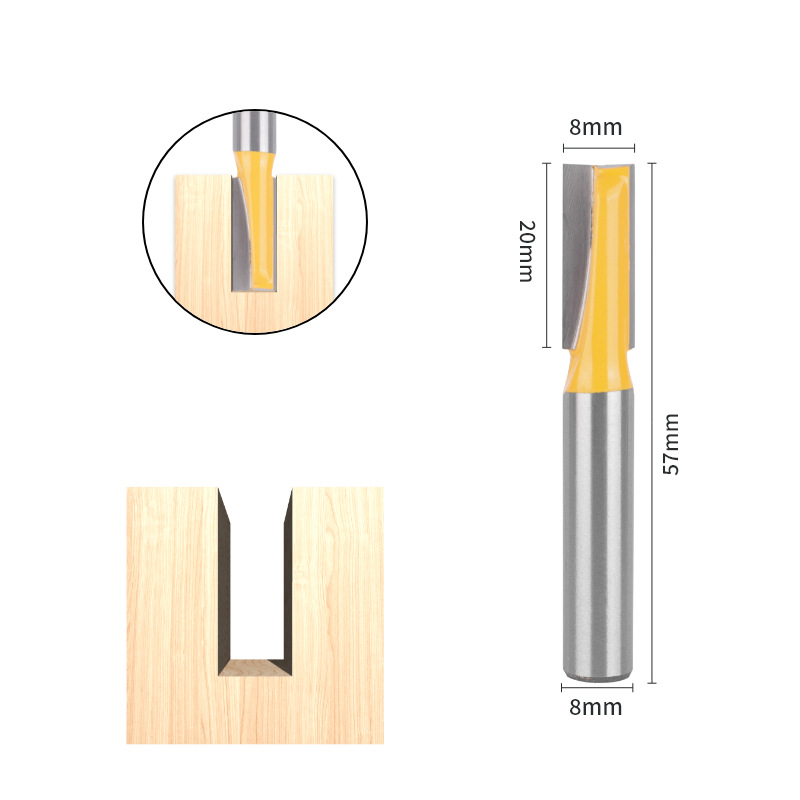
Diameter decides coverage, and shank decides stiffness. Therefore, look at both before you buy.
- A smaller body reaches into tight recesses and small trays.
- A larger body covers more area per pass, which saves time.
- An 8 mm shank suits compact trimmers and small machines.
- A 1/2 inch shank resists deflection on wide work.
- A shorter body keeps the cut closer to the bearings.
Because deflection shows up as ridges between passes, stiffness matters more than diameter. As a result, a large body on a small shank often disappoints.
In addition, match the shank to the collet exactly. A reducer sleeve adds runout, and runout shows directly in the surface finish.
Depth, Stepover and Feed
Depth and stepover decide whether the floor looks flat or ridged. Therefore, follow a simple rule for each.
- Set a shallow depth first, around half a millimetre.
- Run a test pass and check the chip thickness.
- Set the stepover to about half the cutter diameter.
- Feed at a steady rate that keeps the chip moving.
- Overlap the final path so the ridges disappear.
Too much stepover leaves ridges between passes. Too little stepover wastes time and heats the wood. Therefore, aim for a steady overlap and listen to the motor.
Moreover, keep the router flat through the pass. Because the body cuts wide, any tilt transfers straight into the surface.
Safety and Dust
A wide cutter moves a great deal of material. Therefore, treat the setup with respect.
- Keep both hands well away from the wide cutting circle.
- Lower the speed so the large body stays within safe limits.
- Use extraction, because the chip volume is high.
- Clamp the work firmly so vibration cannot shift it.
- Wear eye and hearing protection on every surfacing job.
Because the chip is fine and plentiful, extraction is not optional in a closed shop. In addition, a mask helps during long flattening runs.
Router Table or CNC
Both platforms work, and each has its strengths. Therefore, pick the one that fits the job.
A router table suits small parts and one-off work, because you control the feed by hand. Meanwhile, a CNC suits repeat jobs, and it holds the stepover exactly the same every time.
As a result, shops usually own one bottom cleaning router bit for each machine. The CNC version often uses a larger shank, since the machine can hold tighter tolerances.
Keeping the Edge Sharp
A dull bottom cleaning router bit burns the floor instead of shearing it. Therefore, watch the surface for shiny patches and act early.
First, check for resin build-up, because pitch dulls the edge quickly. Then clean the wings with a dedicated remover. After that, inspect the tips under good light.
Because resharpening changes geometry, use a service that understands router tooling. A poor grind ruins the flat floor the tool is built to make.
When you are ready to compare sizes, a wider router bits catalogue makes the choice much easier.
FAQ
Can it replace a planer? No. It levels a face, but it does not make two faces parallel.
Why is my surface ridged? Usually the stepover is too wide for the bottom cleaning router bit. Reduce it to about half the diameter.
Is a large body always better? Not on small machines. Stiffness and collet fit matter more than coverage.
Flat work starts with a flat reference, and this tool makes one quickly. Set the depth light, keep the stepover steady, and hold the machine flat. Then add a dependable router bit collection to the shelf, and every panel will start square.











