


Blog
Dovetail Router Bits: Angles, Sizes and Clean Joints

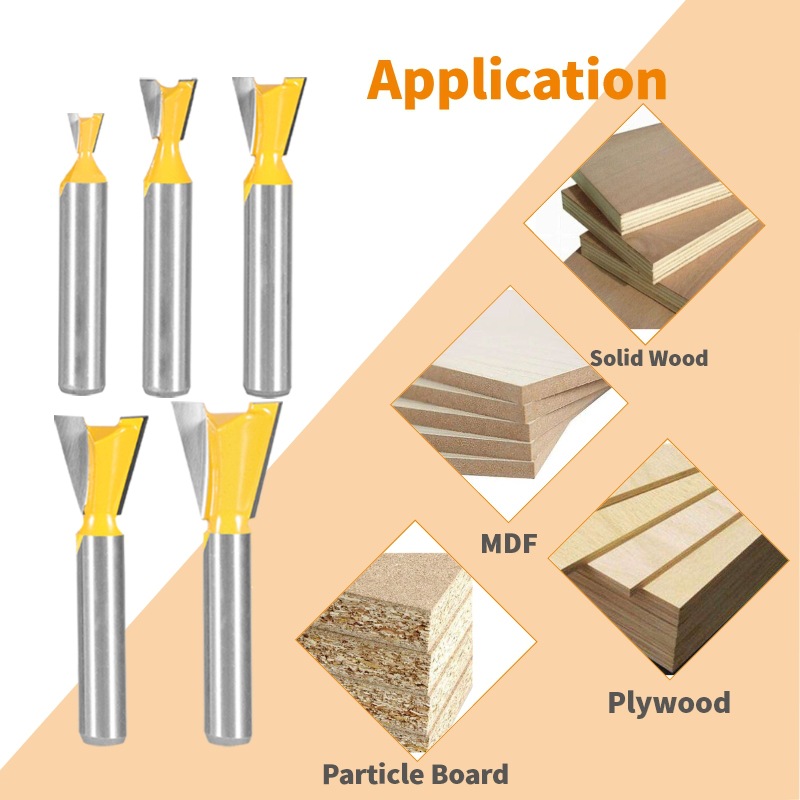
A dovetail joint resists pulling apart because its shape locks the two parts together. Therefore, the dovetail router bit that forms it must match the joint design exactly. Otherwise, the fit is loose, the glue line shows, or the joint fails.
This guide covers the angles, the sizes and the setup steps you need. First we look at why the joint works. Then we look at the tooling and the cutting order.
Why Dovetails Hold Without Glue
The pins and tails form a mechanical interlock, and the angled faces resist withdrawal. As a result, the joint carries load even before the glue cures.
Meanwhile, the angled shoulders also resist racking. Therefore, drawers and carcases stay square under daily use.
Because the geometry does the heavy lifting, the fit must be tight but not forced. In practice, a joint that needs a mallet all the way home is too tight. A joint that slides with no resistance is too loose.
Common Angles and Sizes for Dovetail Router Bits
Angle is the first decision, so match it to the material and the look you want.
- 7 degrees, about 1:8, is a classic for hardwood drawers and furniture.
- 8 degrees, about 1:7, is the most common workshop standard.
- 14 degrees, about 1:4, suits softwood and larger scale work.
- Half-inch shank bits hold better in hard material and cut more accurately.
- Quarter-inch shank bits suit small drawers and trim routers.
Therefore, buy the dovetail router bit that matches your template, because most jigs fix the angle.
In addition, note the cutting depth and the maximum material thickness for each bit. Because these limits vary, a bit that works on 12 mm stock may fail on 20 mm stock.
Setting Up the Dovetail Jig
Most poor dovetails come from setup, not from the cutter. Therefore, spend your time at the jig before you touch the wood.
- Check that the guide bushing matches the template opening.
- Centre the bit on the template slot.
- Set the bit depth with a test piece of the same thickness.
- Lock the template so it cannot creep during the cut.
- Confirm the stock is square and the ends are clean.
Because the bushing rides the template, its diameter sets the offset. As a result, a worn bushing changes the fit. In addition, a bent bushing will cut an uneven joint along its length.
Furthermore, check the depth against the actual drawer side thickness. A small error in depth shows up as a gap at the shoulder, which is hard to hide.
Cutting Order That Prevents Chip-Out
Order matters because dovetail bits cut across the grain and lift fibres. Therefore, plan the sequence to protect the visible faces.
- Cut the tails first on the board that will be hidden.
- Use a backing board to support the exit edge.
- Take light passes instead of one deep plunge.
- Keep the work tight against the template through the cut.
- Clean the joint with a sharp chisel, never with force.
Meanwhile, mark the mating parts before you separate them. A matching mark avoids confusion when several drawers are in progress at once.
Through, Half-Blind and Sliding Dovetails
Each style needs slightly different tooling and setup.
A through dovetail shows on both faces, so it suits carcases and boxes. A half-blind dovetail hides the joint from the front, which suits drawer fronts.
A sliding dovetail joins a shelf to a side panel, and it requires a straight dovetail cutter plus a guide. Because the joint runs the full length of the panel, alignment matters more than angle.
Therefore, decide the joint type before you buy a dovetail router bit. That single choice drives the bit, the template and the jig.
Choosing Bits by Material and Scale
Hardwood holds a crisp edge, so a smaller angle works well. Softwood crushes and compresses, so a wider angle gives more strength.
Scale matters too. A large drawer with fine 7 degree pins looks delicate but can be fragile in soft wood. Meanwhile, a small box with 14 degree pins looks heavy.
Furthermore, carbide tips last far longer in abrasive material such as MDF, and they hold the angle better over time. Since dovetail bits cut a lot of end grain, edge retention pays off quickly.
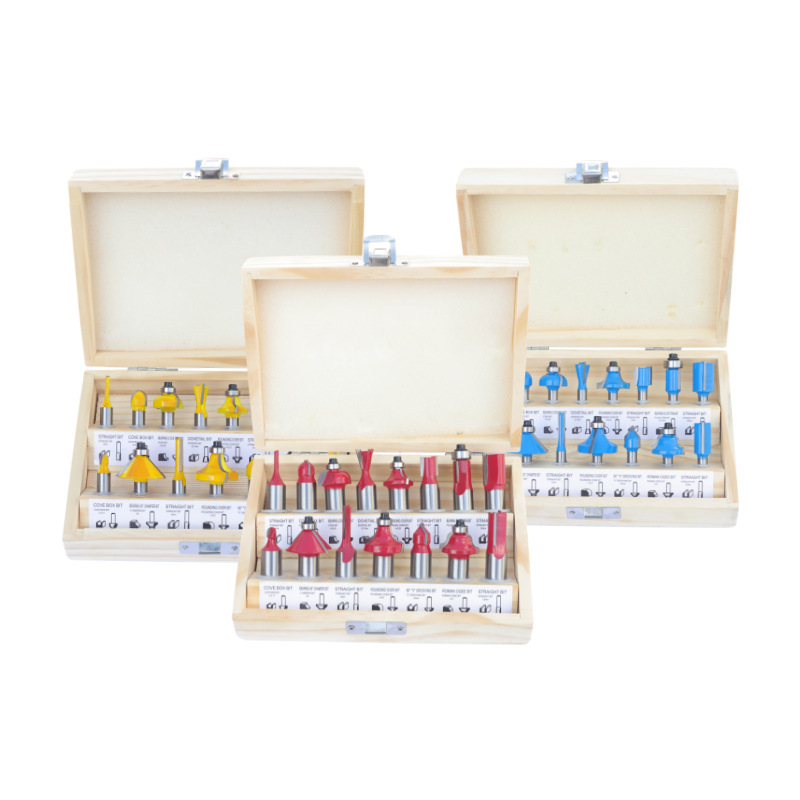
For a full comparison of angles and shank options, a wider dovetail router bit list makes ordering simple.
FAQ
Can I cut dovetails without a jig? Yes. However, a jig saves time and improves repeatability for production work.
Does the dovetail router bit decide the angle? Yes, together with the template. The two must match.
Why does my joint leave a gap at the shoulder? Usually the dovetail router bit depth is off. Measure the stock and reset the depth.
A dovetail joint rewards preparation. Match the angle, size the tool correctly, and set the jig with care. Then choose a dependable router bit range, and the joints will close cleanly every time.











