


Blog
Understanding Wood Router Bits: Essential Basics for Woodworkers

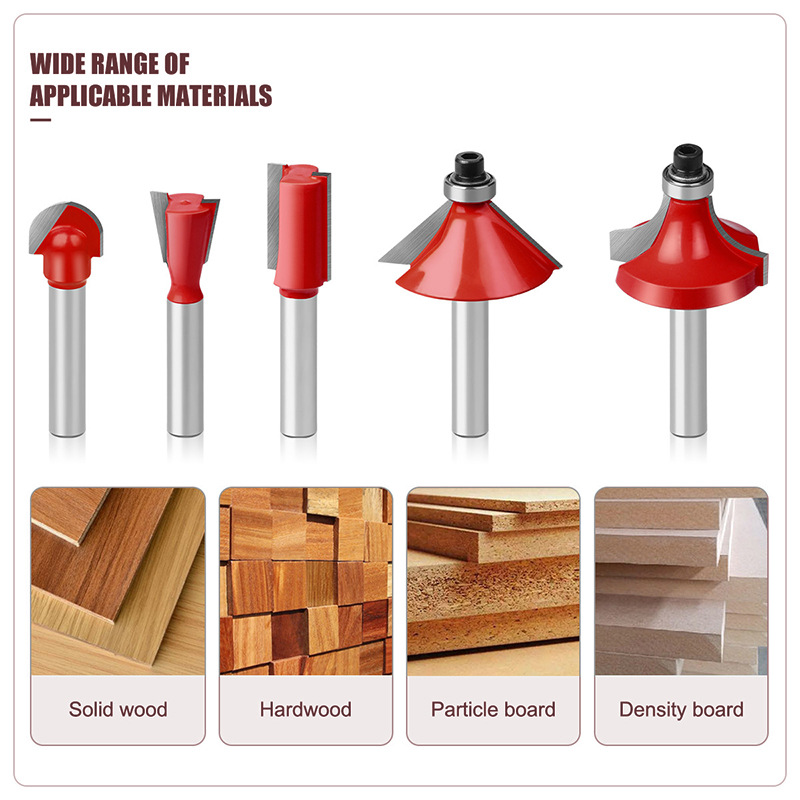
Choosing the correct cutter directly impacts machining precision, workpiece aesthetics and project success. Building solid wood router bits basics is the first step before starting any woodworking project. This beginner-friendly guide explains router bit materials, physical structure and common profile types. Whether you build cabinets, furniture or decorative mouldings, it helps you pick the right cutter for every routing task.
Router Bit Materials: Carbide-Tipped vs High-Speed Steel
Two primary material categories dominate woodworking cutters: carbide-tipped bits and high-speed steel (HSS) bits. Carbide-tipped router bits deliver exceptional wear resistance and sharp edge retention. They are the preferred choice for heavy-duty wood routing jobs. High-speed steel options are a budget-friendly alternative. However, they cannot match carbide’s long service life under continuous heavy cutting loads.
For daily shop use, many woodworkers prefer high-quality wood router bits with durable carbide tips.
The Basic Structure of a Wood Router Bit
Every standard router bit consists of three core parts: the shank, the tool body and the cutting edges. The cutting edges define the bit’s profile and determine the shapes it can carve. Careful selection of cutting profiles lets woodworkers produce clean, precise joints and decorative contours. This applies across nearly all woodworking projects.
Common Router Bit Profiles and Their Uses
These wood router bits basics cover the standard profiles you will use most. Each profile shapes wood in a different way. Knowing these shapes helps you match the bit to the task at hand.
Straight Bits
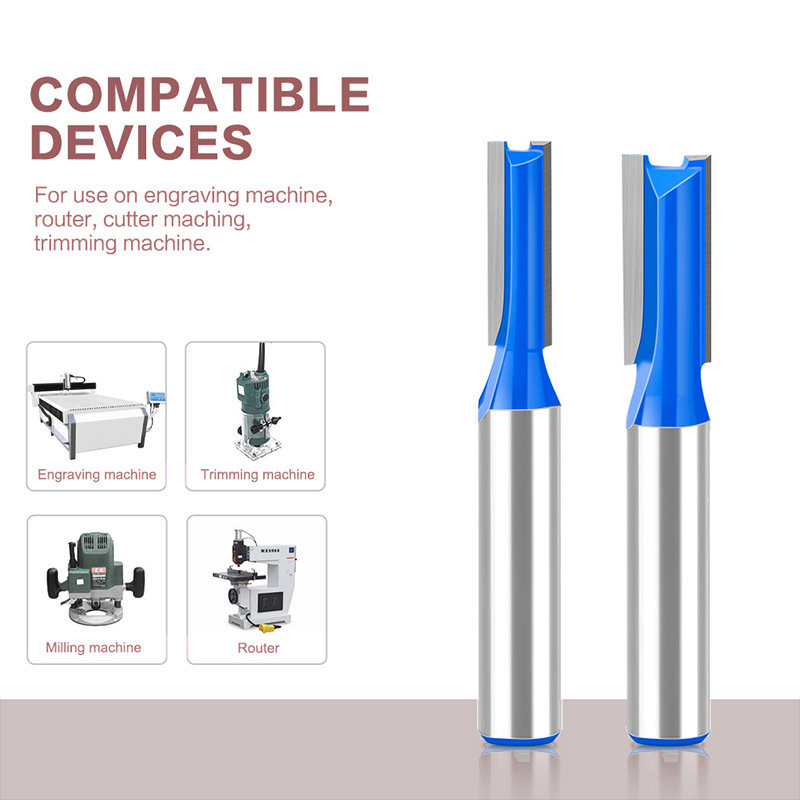
Straight bits are staple tools in any woodshop. They feature flat bottoms and sharp cutting edges. These cutters excel at cutting grooves, dadoes and rabbets. From simple joining work to intricate custom designs, straight router bits give consistent, reliable performance.
Chamfer Bits
Chamfer bits create angled beveled edges that add refined detail to finished workpieces. They are widely used in furniture making and frame construction. These bits elevate visual appeal and add distinctive styling to finished wood pieces.
Rabbeting Bits
Rabbeting bits cut recessed grooves and notches in wood. Their versatile design lets woodworkers adjust cutting depth and width. Joints made with rabbeting bits offer stronger mechanical connection than simple butt joints. This explains their popularity across many woodworking builds.
Roundover Bits
Roundover bits soften sharp wooden edges for both cosmetic improvement and safety. They remove hazardous sharp corners from tabletops, chair arms and cabinet edges. They also suit drawer fronts and small decorative mouldings, producing smooth, uniform rounded profiles.
Cove Bits
Cove bits produce concave curved contours that bring artistic character to woodwork. These cutters craft elegant mouldings and decorative edges. They greatly enhance the visual quality of furniture, trim and decorative panels.
Roman Ogee Bits
Roman Ogee bits create timeless classic curved profiles. Woodworkers use them for decorative furniture edges and cabinet beautification. They also suit small moulding pieces and crown moulding assemblies. They bring traditional refined styling to finished projects.
Specialty Router Bits for Advanced Woodworking
Beyond standard profiles, specialty bits handle advanced joinery and decorative work. They extend what your router can achieve in the shop.
Raised Panel Bits
Raised panel bits serve cabinet manufacturing perfectly. They carve dimensional decorative contours onto panel faces. At the same time, they trim rear edges to form 1/4-inch tongues. These tongues fit into matching frame grooves, giving precise, dependable cuts for cabinet door assembly.
Dovetail Bits
Dovetail bits are synonymous with strong interlocking joinery. Craftsmen rely on these cutters to machine durable dovetail joints. They are most common for drawers and furniture components needing outstanding structural integrity.
Keyhole Bits
Keyhole bits create dedicated slots to mount objects onto walls. They combine practical function with clean visual results. They are ideal for fabricating wall-mounted shelves, picture frames and other hanging wood pieces.
Edge Forming Bits
Edge forming bits support dozens of decorative profiles. From simple bead patterns to complex custom contours, these versatile cutters unlock creative edge detailing. They add unique custom features to woodwork projects.
Final Thoughts on Wood Router Bits Basics
Understanding router bit materials and profile functions simplifies tool selection dramatically. Carbide-tipped bits suit heavy workloads, while HSS bits work well for occasional light routing. Each profile serves a specific woodworking goal, from joint cutting to decorative edge shaping. By matching the router bit profile to your project, you achieve cleaner cuts, stronger joints and more attractive finished pieces.
To explore the complete range of wood router bits and plan your next workshop upgrade with confidence.
Frequently Asked Questions
What is the difference between carbide-tipped and HSS wood router bits?
Carbide-tipped bits keep their sharpness longer and handle heavy cutting work. HSS router bits cost less but wear down faster during continuous machining.
What are straight router bits used for?
Straight bits cut grooves, dadoes and rabbets. They are widely used for making wood joints and basic slotting tasks.
What projects use dovetail router bits?
Dovetail bits create strong dovetail joints. They are commonly used for drawers and furniture requiring robust structural connections.
What are keyhole bits used for?
Keyhole bits cut hanging slots for wall-mounted items such as picture frames and floating shelves.
What is the purpose of roundover bits?
Roundover bits create smooth rounded edges that remove sharp corners. They improve both safety and the visual finish of tabletops, cabinets and furniture.











