Blog
CNC Collet Selection & Maintenance: Essential Tips for Wood Router Tools

A high-performance CNC machining system relies on more than quality router bits and precise machine parameters. It also needs a fully functional tool holding system. As the core component that secures cutting tools, CNC collets directly determine clamping concentricity, cutting stability and tool service life. Most unexplained CNC tool breakage stems from a few common mistakes. These include improper collet selection, incorrect tool insertion or neglected daily CNC collet maintenance. This professional guide covers practical collet selection principles and standardized insertion rules. It also explains service life replacement standards and systematic component maintenance tips. Woodworkers can use these methods to eliminate clamping errors and improve CNC machining efficiency.
CNC Collet Service Life and Standard Replacement Rules
Many woodworking operators underestimate the consumable attributes of CNC collets. Collets work under continuous high tension and high-speed vibration. They also face alternating hot and cold cycles. Even with standard operation, this causes gradual metal fatigue and elastic attenuation. Industrial CNC equipment often runs 8 hours per day. For this schedule, a standard collet lasts about three months on average. Timely replacement of aging collets is a low-cost yet effective method. It stabilizes machining accuracy and avoids sudden tool breakage.
Aside from fixed cycle replacement, real-time inspection during every tool change is indispensable. Operators need to check common failure signs. These include out-of-round deformation and flared bell-mouth distortion. Meanwhile, wood dust, resin debris and adhesive residues accumulate inside the collet. They destroy the uniform clamping force and trigger tool runout and unstable cutting. In addition to collet inspection, check the locking nut for wear, thread damage and surface burrs. Frequent tool breakage and poor edge quality are typical symptoms of faulty clamping caused by aging accessories.
A documented CNC collet maintenance schedule makes cycle replacement predictable. It also reduces scrap rates and unplanned downtime on busy production lines.
Standard Tool Insertion and Clamping Depth Specifications
Incorrect tool insertion is a common cause of CNC machining failures. It is also one of the most overlooked problems in daily operation. When installing router bits into the collet, keep the flute fade-out section outside the clamping range. The flute fade-out is the smooth transition area where cutting edges terminate. If the collet clamps this transitional section, problems follow. It should grip the complete straight shank instead. Otherwise, uneven stress appears during high-speed rotation. This leads to severe tool runout and eventual tool fracture.
Reliable and concentric clamping needs a simple rule. The tool shank must occupy at least 80% of the collet’s total clamping depth. This standard ensures enough contact area and uniform holding force. It reduces vibration, deflection and slippage during high-load cutting.
Professional CNC Collet Selection Principles
The core principle of collet selection is simple and consistent. Always choose a collet that provides maximum, uniform clamping force for the tool shank. Different collet types feature distinct structural advantages and applicable scenarios.
Fixed-size collets give higher precision for single-size tools. ER collets offer flexible clamping ranges. They suit multi-specification prototype and small-batch production. Designed for single-specification tool shanks, fixed-size collets eliminate gaps and uneven clamping force. As a result, they suit high-precision finishing and long-term mass production. In contrast, ER-series collets support flexible range clamping. They work with multiple tool shank sizes within a tolerance range. They offer outstanding versatility for small-batch, multi-specification processing.
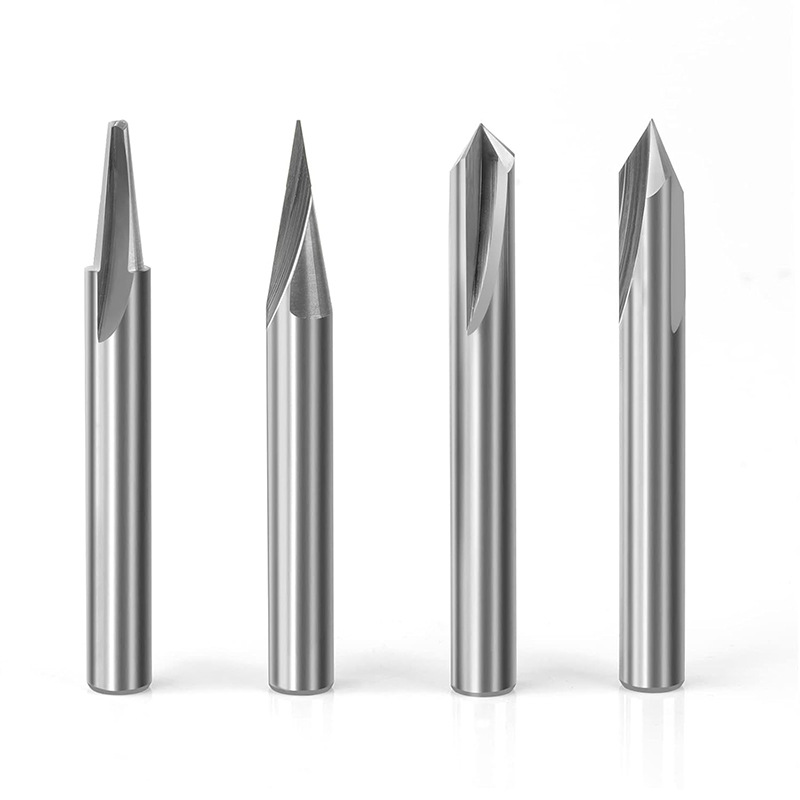
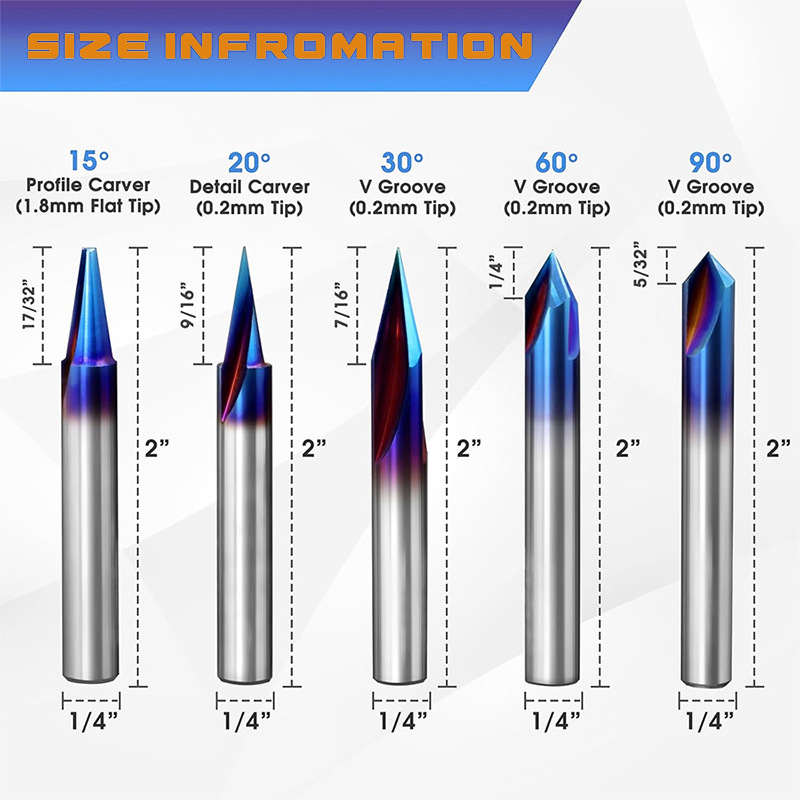
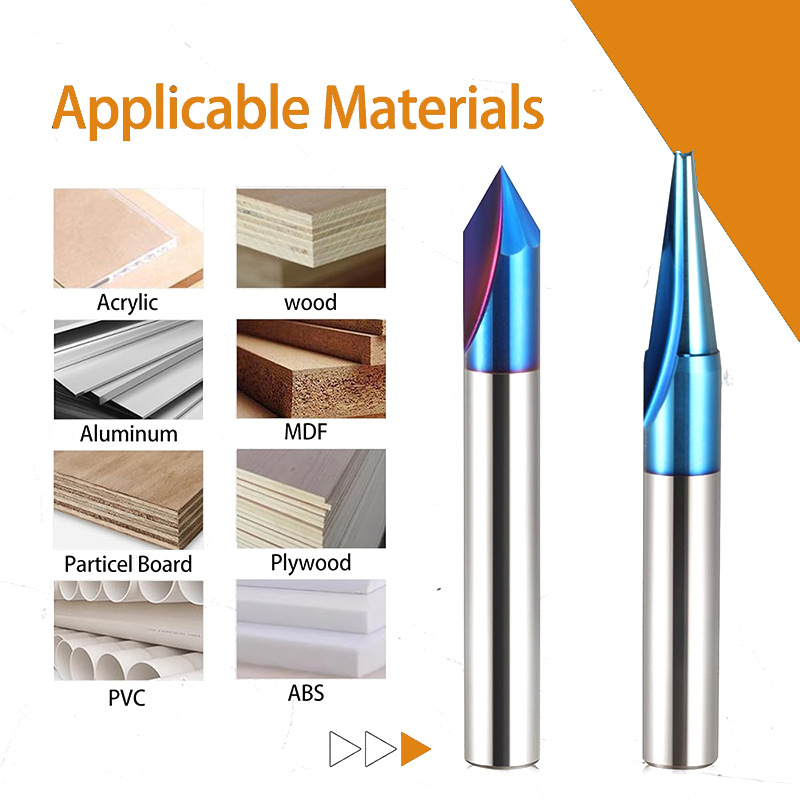
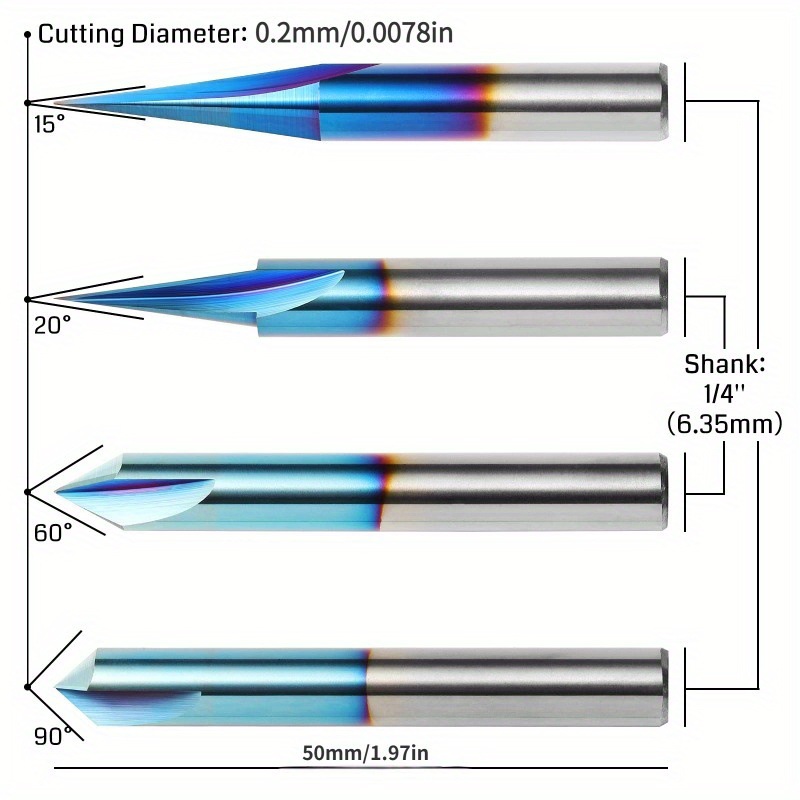
Pairing the holder with a clear CNC collet maintenance plan keeps precision stable across long production runs. The right bits also matter for stable clamping. Review our CNC wood carving router bits to match compatible shanks and clamping ranges for your setup.
CNC Collet Maintenance Guide: Prioritize Complete Cleaning
Cleanliness is the foundation of long-term CNC collet maintenance performance stability. During continuous wood CNC machining, tiny contaminants form inside the machine. Wood dust, molten resin and adhesive residues migrate upward. They travel along the rotating tool shank. Then they accumulate inside the collet, locking nut and spindle taper interface. These subtle contaminants cause invisible clamping deviations. They force tools to produce elliptical cutting paths instead of perfect circular rotation. The final consequences include shortened tool lifespan, inconsistent finishing and frequent machining defects.
A set of standardized daily cleaning habits can completely avoid such problems. First, never allow dirt and resin residue to accumulate on collets, locking nuts and tool shanks. Second, thoroughly clean all matching contact surfaces before every tool installation. Third, discard and replace any damaged, deformed or worn collets and tool shanks immediately. Fourth, avoid leaving tools inside the spindle for too long. This can cause tool seizing and permanent damage to clamping components. For professional cleaning results, dedicated collet brush kits are recommended. They remove stubborn residues without scratching precision surfaces.
Detailed Maintenance of the Entire Tool Holding System
The CNC tool holding system uses several precision components. Overall machining performance depends on the condition of every part working together. Regular inspection and targeted maintenance of each component improve production stability. They also reduce long-term operating costs.
The inner clamping surface of the collet is the most critical part of the clamping chain. Resin penetrates tiny gaps and accumulates inside the collet. This leads to inconsistent clamping force, tool resonance and rotational slippage. Slippage triggers micro-wear and secondary resin buildup. This forms a vicious cycle. It damages both the collet and the router bit. Therefore, thorough residue removal of the inner collet surface is mandatory during each maintenance session.
Spindle and collet taper surfaces are high-precision matching areas prone to contamination. Operators must clean these taper surfaces during every tool change. This maintains optimal concentricity. Specialized taper cleaning brushes quickly remove daily accumulated dust and resin. The outer taper of collets and tool shanks also needs care. Inspect and clean it on a regular basis. Brass brushes are the best choice because they avoid scratching precision surfaces.
Locking nut maintenance is equally essential. The inner surface and threads of the locking nut must stay burr-free and clean. Tiny contaminants and surface burrs tilt the collet during locking. This causes eccentric clamping and permanent damage to new collets. Moreover, worn or damaged threads require immediate nut replacement. This prevents thread stripping and component seizing during high-torque locking.
Documented CNC collet maintenance of the inner surface stops the resin accumulation cycle early. It protects both the collet and the router bit.
Special Maintenance Requirements for High-Precision Tool Holders
High-precision tool holders such as ISO 30 use stricter tolerance standards. They differ from traditional taper holders in this way. Their precise structural design makes them more sensitive to resin accumulation and micro-wear. Common defects include micro-slip and bronze plating. These cause inconsistent fitting of taper and flat surfaces. Tool life stability drops as a result. Long-term neglect of these minor problems accelerates spindle wear. It also leads to premature spindle failure. For this reason, high-precision matching surfaces need more frequent and detailed cleaning routines.
Strict CNC collet maintenance of ISO 30 tapers avoids premature spindle failure. It also prevents the high cost of unexpected machine downtime.
Final Summary and Professional Recommendations
CNC collets and their supporting components are easy to overlook. Yet they determine machining accuracy and tool safety. Regular replacement and standardized maintenance are essential for stable CNC production. Visible deformation, flared openings and burrs mean the collet has lost its original elastic performance. It must be replaced immediately.
Even without apparent damage, collets suffer irreversible performance degradation. Thermal cycling and metal fatigue are the main causes. Manufactured from spring steel, collets rely on stable elasticity to clamp tools securely. Repeated cold and heat cycles eliminate the material’s tempering performance. This weakens clamping elasticity over time. Operators often increase locking torque to compensate for loose clamping. However, excessive torque deforms the fatigued collet. It also produces serious clamping eccentricity. Scientific CNC collet maintenance is the most cost-effective method. It stabilizes CNC machining quality and extends tool service life.
For a complete clamping setup, browse our premium CNC wood carving router bits. They pair well with precision collets and ER-style holders.
Frequently Asked Questions
What is the standard service life of a CNC woodworking collet?
For CNC machines operating 8 hours daily, the average collet service life is about 3 months. Regular replacement prevents tool runout and unexpected breakage caused by metal fatigue.
Why is clamping the flute fade-out section prohibited?
Clamping the transitional flute fade-out area causes uneven stress during rotation. This results in tool runout, vibration and eventual tool fracture.
What is the correct clamping depth for CNC router bits?
The tool shank must fill at least 80% of the collet clamping depth. This ensures uniform clamping force and stable cutting performance.
What is the difference between ER collets and fixed-size collets?
Fixed-size collets provide higher precision for single-size tools. ER collets offer flexible clamping ranges and suit multi-specification prototype and small-batch production.
How does resin accumulation affect CNC clamping performance?
Residue buildup causes eccentric clamping, elliptical tool rotation, micro-slippage and inconsistent finishing. It accelerates wear on both collets and spindles.