

Blog
How to Match Router Bits for Hardwood, Softwood and Wood‑Based Panels

Wood materials vary greatly in density, fiber structure and resin content. Selecting suitable router bits according to material can get clean cutting surface and extend tool service life.
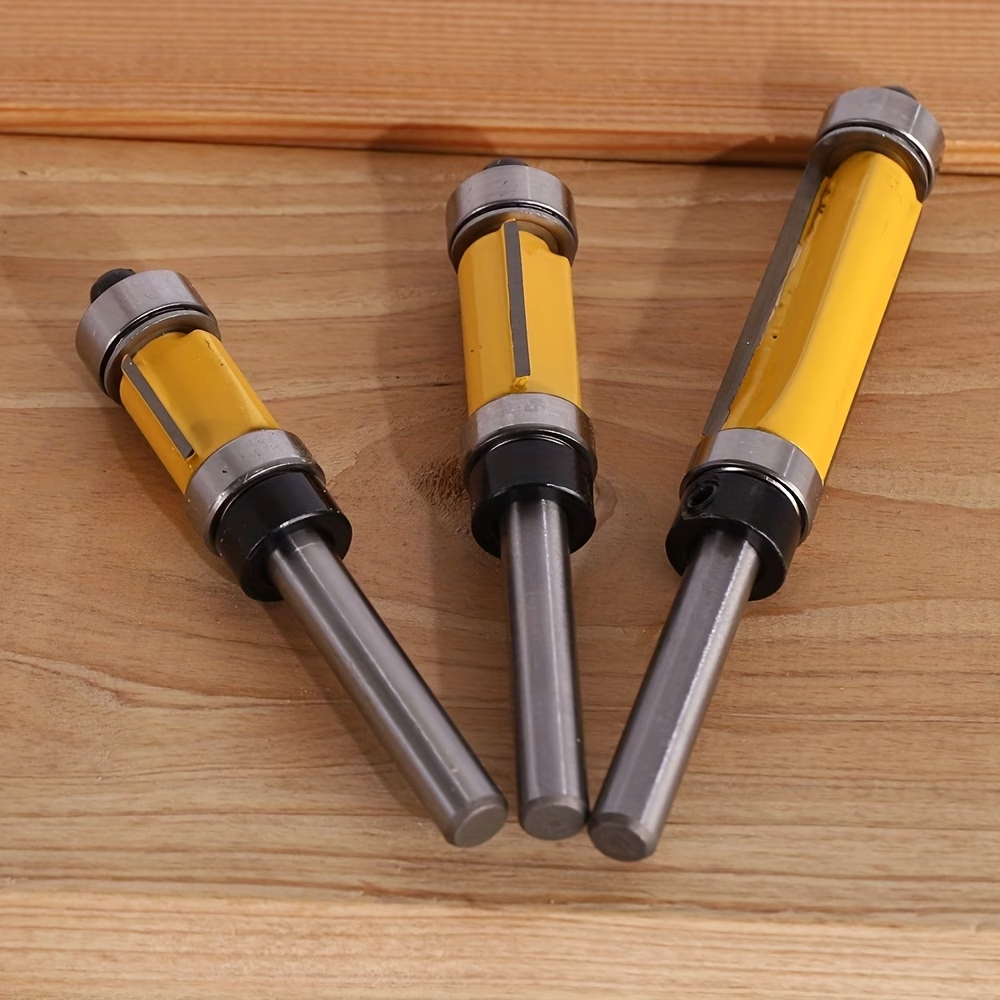
Softwood such as pine and cedar features loose fiber and rich resin. Standard carbide‑tipped router bits work well here. Pay attention to chip removal, to prevent wood resin sticking to cutting edges. Straight bits and trimming bits are widely used for soft‑wood slotting and edge processing.
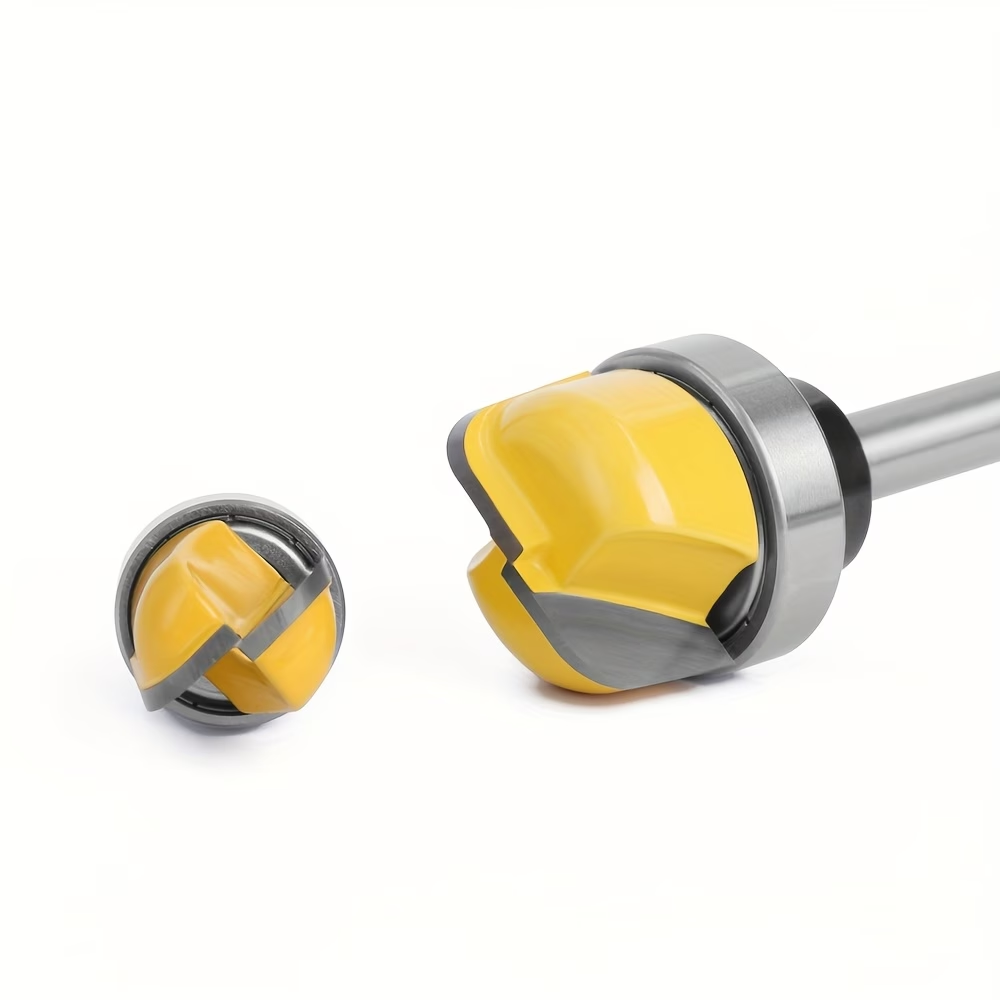
Hardwood including oak, walnut and maple owns high density and strong abrasion. High‑hardness carbide‑tipped bits are strongly recommended. Ordinary high‑speed‑steel bits will turn blunt quickly. Slow down feed speed properly to avoid wood burning marks during cutting.
For plywood, MDF and composite boards, compression‑style router bits perform better, which can reduce surface chipping and tearing‑out. These artificial boards contain glue layers, which will accelerate tool wear, so do not use low‑grade bits for long‑time continuous processing.
Always check your router bit condition before work. Matching router bit profile and material brings stable wood‑working results.