


Blog
Daily Maintenance and Life Extension Skills of TCT Straight Woodworking Router Bits

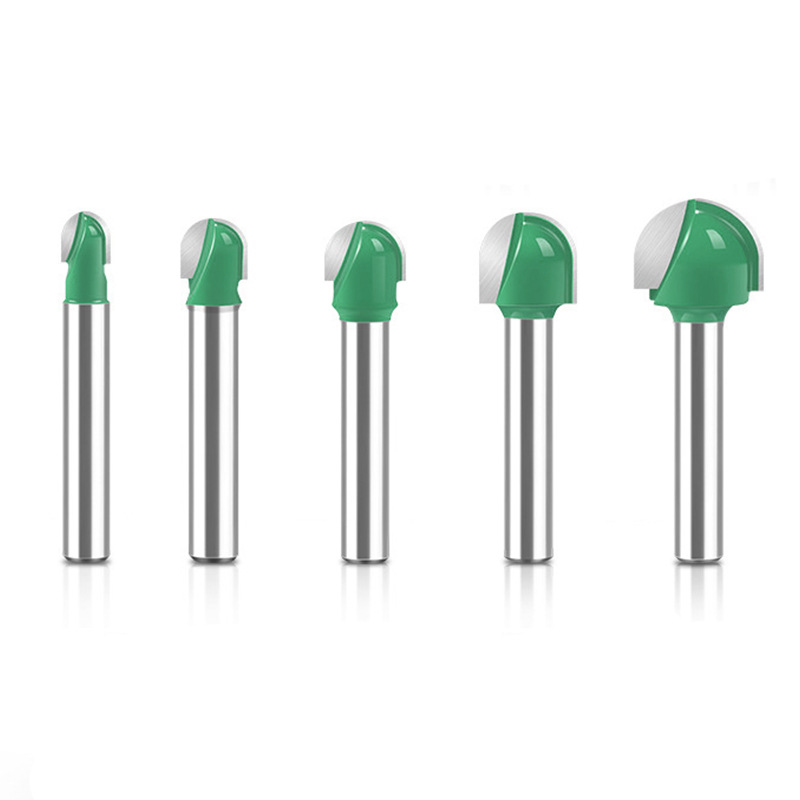
Daily Maintenance, Operation Specifications and Life Extension Skills of TCT Straight Woodworking Router Bits
TCT straight woodworking router bits are industrial high-precision consumable tools with excellent hardness and wear resistance, but their service life and cutting stability are closely related to daily operation and maintenance habits. Standardized use and scientific maintenance can greatly extend the service cycle of TCT straight bits, maintain stable cutting precision, and reduce the repeated procurement cost of woodworking router bits for enterprises. On the contrary, irregular operation and random storage will lead to early wear, blade damage and precision loss of high-performance TCT straight bits. This article summarizes professional operation specifications and daily maintenance skills suitable for factory use, helping enterprises optimize tool management.
Standard Operation Specifications to Avoid Tool Damage
Most early failures of TCT straight woodworking router bits are caused by non-standard operation. Although tungsten carbide blades have high hardness, they are brittle and easy to crack under sudden overload and impact. Therefore, standardized cutting operation is the primary premise to protect TCT straight bits.
In the daily cutting process, it is forbidden to carry out excessive single-depth cutting and overload feeding. For thick plate cutting and deep grooving processes, layered progressive cutting must be adopted. One-time deep cutting will cause excessive tool load, resulting in high-temperature heating of the blade, alloy edge cracking and accelerated wear. Layered cutting can disperse cutting pressure, reduce tool temperature rise, and maintain the stability of TCT straight woodworking router bits for a long time.
At the same time, it is necessary to match reasonable equipment rotating speed and feeding speed according to different board materials. Too fast feeding speed will cause tool jamming and edge chipping, while too slow feeding will increase friction heating and cause tool burning. Reasonable parameter matching can give full play to the cutting performance of TCT straight woodworking router bits and avoid unnecessary tool loss.
Daily Cleaning and Maintenance Methods
Timely cleaning is the most basic and effective maintenance measure for TCT straight woodworking router bits. After daily production work, a large number of wood chips, wood powder and resin colloidal residues will adhere to the tool surface and chip grooves. These impurities will accumulate for a long time, block the chip removal channel, affect the subsequent chip removal efficiency, and cause local overheating and tool burning during high-speed cutting.
Workers need to clean the residual sundries in the chip grooves and on the cutting edge in time after using the TCT straight bits every day. Keep the tool body and chip grooves smooth and clean, ensuring that the next cutting work can discharge chips quickly. For stubborn resin and glue residues, professional mild cleaning agent can be used for auxiliary cleaning to avoid hard scraping and damaging the precision grinding edge of woodworking router bits.
Standard Storage and Management Specifications
The storage management of TCT straight woodworking router bits directly affects the retention of tool precision. Many enterprises ignore tool storage and randomly place used TCT straight bits on the workbench, which easily causes blade collision, extrusion and friction, resulting in edge collapse, passivation and surface scratch.
Unused and standby TCT straight woodworking router bits should be placed in a special professional tool box with classified storage. Avoid direct contact between tools and hard objects, prevent blade collision damage, and isolate humid air to avoid oxidation and rust on the tool body and welding parts. Good storage habits can keep the cutting edge precision of TCT straight bits intact for a long time, and reduce the precision loss caused by improper storage.
Regular Inspection and Professional Regrinding Maintenance
TCT straight woodworking router bits have recyclable use value. Enterprises need to regularly inspect the wear degree of tools in daily management. Slightly worn TCT straight bits will have unobvious passivation and poor cutting flatness, but there is no obvious edge collapse or damage. Such tools do not need to be directly scrapped, and can restore original cutting performance through professional precision regrinding.
Professional regrinding can correct the cutting angle and repair the worn edge, realizing repeated recycling of TCT straight woodworking router bits, which greatly reduces the long-term tool procurement cost of the factory. For severely damaged tools with edge collapse, cracking and welding falling off, they should be scrapped in time to avoid affecting processing quality and causing equipment safety hazards.
Conclusion
The service life of TCT straight woodworking router bits depends on both product quality and daily use and maintenance management. Standard operation, timely cleaning, standardized storage and regular inspection and regrinding can maximize the service life of industrial TCT straight bits, maintain stable high-precision cutting performance, and help woodworking processing enterprises reduce costs and improve efficiency in long-term production.