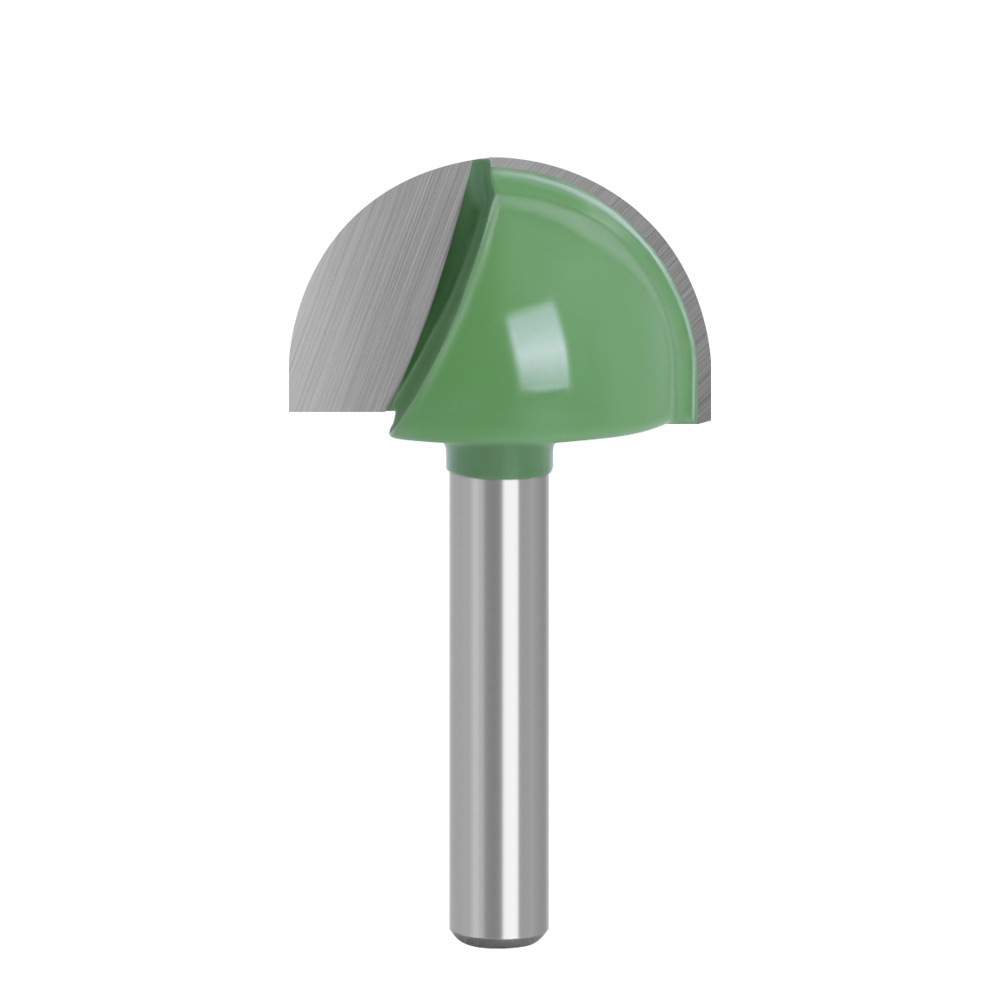
Core Material and Structural Factors to Select CNC Wood Router Bits for Wood Processing
Selecting the correct CNC wood router bits is the foundation of high-quality, efficient, and stable wood manufacturing results. Many woodworking enterprises only focus on tool price or appearance while ignoring core material and structural parameters, which easily leads to poor cutting quality frequent tool wear and unstable production efficiency. When matching professional woodworking router bits for CNC woodworking projects, material adaptability and tool structural design are the most fundamental selection criteria that determine overall processing performance.
The workpiece material is the primary reference for all woodworking router bit selections. Different wood and non-wood materials have distinct hardness, density, abrasiveness and resin content, requiring matched cutting geometry and tool materials. Softwood materials such as pine and cedar feature low hardness and rich resin, suitable for high-speed steel woodworking router bits or polished carbide straight bits with smooth chip removal. Hardwood including oak, walnut and maple demands higher tool hardness and edge retention, so solid carbide woodworking router bits become the optimal choice to
For artificial boards widely used in customized furniture, such as density board, particle board and multi-layer plywood, the internal adhesive and fine mineral fillers bring strong abrasion. Ordinary high-speed steel woodworking router bits wear rapidly in long-term batch processing. TCT tipped woodworking router bits with high wear resistance and high-temperature resistance can effectively adapt to abrasive board cutting, maintaining stable cutting sharpness for a long time. In addition, special materials like acrylic, plastic and soft aluminum also need exclusive woodworking router bit configurations to prevent melting edge burrs and tool adhesion.
Tool material and surface coating directly decide the durability and environmental adaptability of CNC wood router bits. Common woodworking router bit materials include ordinary high-speed steel, cobalt-containing high-speed steel and tungsten carbide. High-speed steel tools are cost-effective for intermittent DIY processing and low-frequency cutting, but prone to thermal softening under continuous high-speed friction. Cobalt-infused high-speed steel improves heat resistance and wear resistance, suitable for medium-load industrial processing. Tungsten carbide woodworking router bits feature ultra-high hardness and structural stability, which are mainstream tools for modern CNC mass production.
Functional coatings further optimize tool performance. Professional titanium coating and anti-stick coating reduce resin and wood chip adhesion during cutting, effectively solving board burning and tool sticking problems in artificial board processing. Tools with high-temperature resistant coatings can withstand long-term high-speed operation, extending the overall service life of woodworking router bits and reducing frequent tool replacement downtime.
Flute configuration is another key structural factor affecting cutting effect. The number and arrangement of flutes determine chip evacuation efficiency, cutting speed and workpiece surface finish. Two-flute woodworking router bits own large chip space and fast chip removal speed, ideal for softwood cutting and high-feed roughing processing, effectively avoiding chip blockage. Multi-flute woodworking router bits feature more cutting edges and more stable cutting balance, delivering smoother cutting surface, perfectly matching hardwood and high-precision finishing scenarios.
Reasonable matching of material characteristics and tool structure can maximize the performance of CNC wood router bits. Blindly using universal woodworking router bits for all materials will inevitably cause processing defects and increased tool costs. By selecting targeted woodworking router bits according to workpiece material, tool material and flute design, woodworking factories can effectively improve processing stability and reduce defective rate