Blog
Box Joint Router Bit: Strong Finger Joints Made Easy


A box joint is simple, strong and quick to cut. Therefore, a box joint router bit is often the first joinery cutter a new woodworker buys. It makes square fingers that lock together in one pass.
This guide covers the difference from a dovetail joint, the role of the bearing, and the cutting steps. Then we look at wood choice and at common faults.
What a Box Joint Actually Is
A box joint interlocks square fingers cut on two mating boards. Because the fingers are square, the joint resists pull and shear very well. In fact, a box joint router bit is the fastest way to cut this pattern by machine.
Meanwhile, the glue line runs the full length of each finger. As a result, the joint is strong even in soft wood.
In addition, the look is honest and mechanical. Many makers prefer it on shop cabinets and utility boxes for that reason.
Box Joint vs Dovetail Joint
Both joints lock two boards at a corner, yet they differ in shape and in difficulty.
- A box joint uses square fingers, so it is easy to set up.
- A dovetail joint uses angled fingers, so it resists pull harder.
- A box joint bit cuts straight walls at a fixed width.
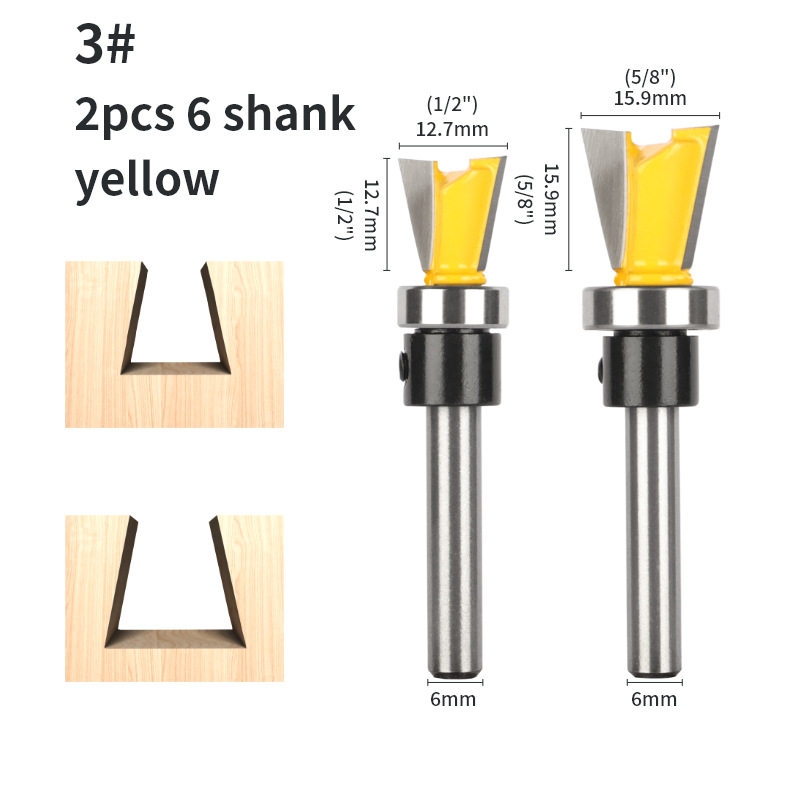
- A dovetail bit cuts an angled wall, so it needs matched angles.
- A box joint suits drawers, boxes and shop cabinets.
- A dovetail joint suits fine furniture and visible corners.
Therefore, choose by the look you want and by the load the corner must carry. For a first project, the box joint is the safer bet.
Why a Box Joint Router Bit Uses a Bearing
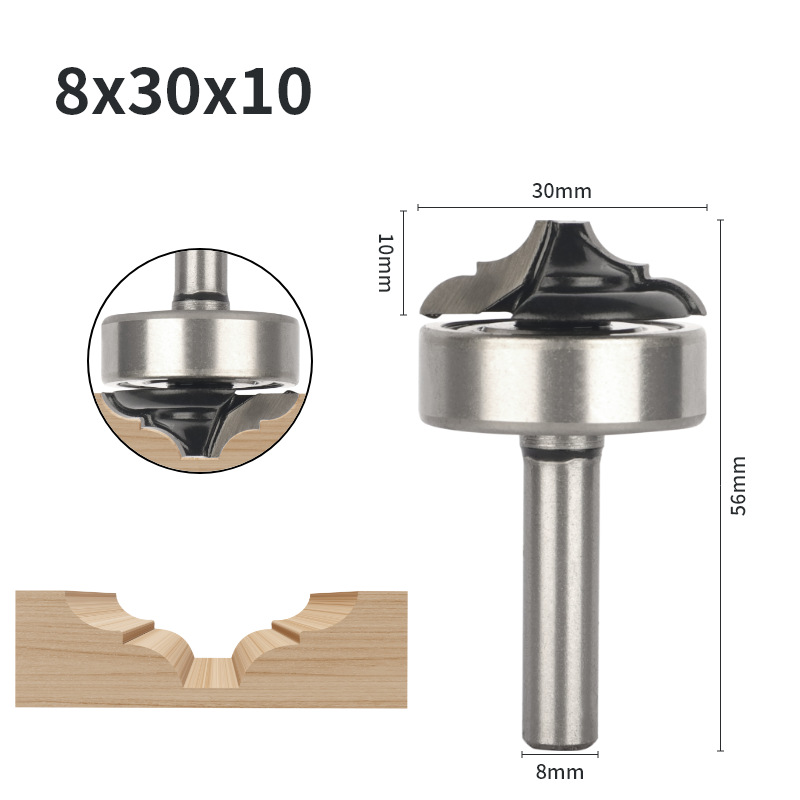
Most cutters of this type carry a bearing above the cutting edge. Because the bearing rides the template, it fixes the finger width.
Meanwhile, the bearing also sets the depth of the cut. As a result, the template and the cutter must match exactly.
However, a plain cutter without a bearing needs a fence and careful spacing. Therefore, a bearing guided box joint router bit saves setup time on repeat work.
In practice, most jigs supply a pair of templates. One cuts the fingers, and the other cuts the gaps.
Cutting the Joint in One Pass
Order matters more than force here, so follow a fixed sequence.
- Set the cutter height with a test piece of the same thickness.
- Clamp the first board in the jig and check the fence stop.
- Cut the fingers with a steady feed and a light pass.
- Turn the board end for end and cut the second set of fingers.
- Move to the mating board and cut the matching gaps.
- Test the fit dry before you apply any glue.
Because the fingers must alternate, mark the parts before you start. Then keep the marks facing you on every cut. A box joint router bit cuts the same width each time, so the marks alone control the layout.
Moreover, take a light first pass. A second pass cleans the slot and reduces chip-out at the shoulders.
Wood Choice and Joint Strength
Wood choice changes both the look and the strength of the joint.
- Hard maple holds crisp fingers and wears well in drawers.
- Oak cuts cleanly but shows a strong grain contrast.
- Pine compresses, so fingers need a slightly tighter fit.
- Plywood works for shop jigs but crumbles at the surface.
- MDF cuts cleanly yet swells if moisture reaches the joint.
Therefore, match the wood to the duty. A drawer front in maple will outlast one in pine by a wide margin. Softwood also dents at the finger tips, so keep handling marks away from the corner.
In addition, keep the glue line tight. Because a loose finger lets the corner rack, a small gap weakens the whole box.
Fixing Gaps and Chip-Out
Most faults trace back to setup, not to the cutter. Therefore, check these points in order.
- Gaps along the fingers usually mean the height is slightly off.
- Loose fit often comes from a worn bearing or a bent bushing.
- Chip-out at the shoulder points to a dull edge or a heavy pass.
- Torn grain on plywood signals that the cutter meets the veneer badly.
- Fingers that will not assemble mean a template mismatch.
Moreover, back the exit edge with a scrap board. Because the cutter leaves the wood there, the scrap takes the damage instead.
For a great result on visible work, compare profiles in a wider router bits range before you buy.
FAQ
Can one box joint router bit cut both boards? Yes, if the jig offsets the second board by one finger width.
Do I need a jig? Not strictly, but a jig makes the spacing repeatable and far faster.
Is a box joint as strong as a dovetail joint? In shear it is close, and in soft wood it often wins.
A box joint rewards care rather than skill. Set the height on scrap, mark the parts, and cut steadily. Then choose a reliable router bit collection, and every corner will close with a clean fit.