Blog
Router Bit Dust Collection: Clear Chips, Cooler Cuts

Chips that stay near the cutter are the quiet enemy of every router job. In fact, weak router bit dust collection turns a clean edge into a grinding wheel. Moreover, the heat that builds up shortens tool life and scorches the wood.
This guide covers the airflow principles, the hardware choices and the habits that keep chips moving. First we look at why chips matter. Then we look at the hardware.
Why Chips Left Behind Cost You Money
A cutting edge removes material, and then the same edge meets those shavings again. As a result, the chips are recut into fine dust. That dust packs into the groove and rubs against the cutter.
Therefore, three problems appear at once. First, friction rises and the bit runs hot. Second, the surface finish gets fuzzy. Third, the edge dulls much faster than it should.
For example, a bottom cleaning bit in a deep pocket has nowhere to throw chips. Consequently, the cutter works in a bed of its own debris. In that case, even a sharp bit will burn the surface.
Good extraction is not a workshop luxury. Instead, it is part of the cutting process.
Airflow Rules for Router Bit Dust Collection
Extraction works on two principles, and both matter. The first is air volume. The second is air speed at the point of cut.
- Volume moves the bulk of the debris, so a 4 inch duct beats a 2 inch hose.
- Speed lifts the chips away from the cutter, so keep the inlet close.
- Short, straight runs preserve energy, so avoid long flexible hoses.
- Sealed hoods keep the airflow where the cut happens.
- A smooth inner wall prevents chips from catching inside the duct.
Because air takes the easiest path, leaks near the inlet steal performance. Therefore, tape every joint and seal the machine housing.
Choosing a Hood or Fence Port
Good router bit dust collection starts with a port right behind the cutter. Therefore, a fence-mounted unit captures chips as they leave the cut. As a result, it suits grooving, rabbeting and edge work.
A hood or shroud over the cutter adds coverage from above. As a result, it helps with face work and panel raising.
In practice, the best setup uses both. Meanwhile, a magnetic bracket makes the hood easy to move between machines.
Moreover, keep the port opening as small as practical. A smaller opening raises the air speed for the same fan, and that speed lifts heavier chips.
Under-Table Against Above-Table Extraction
Under-table extraction hides the duct and keeps the work area clear. However, it must reach the cutter through the insert ring, and a large opening loses speed.
Above-table extraction is easy to add and very effective on edge profiles. On the other hand, it can block your view of the cut.
Therefore, many shops run a split system with a blast gate on each branch. In that case, only one path is open at a time. As a result, each branch keeps full suction.
Because the router table shares a collector with other machines, gates matter even more. Without them, the airflow divides and every branch becomes weak.
Chip Evacuation and Cut Quality
Good chip evacuation changes the cut itself, not just the shop floor. When debris clears, the edge meets fresh wood on every pass. Consequently, the load per tooth stays even.
That even load keeps temperatures stable. Moreover, it protects the brazed joint on tipped cutters, which is the weakest point of the tool.
In addition, a clear groove lets the shank of the bit run cooler. Therefore, you can hold tolerances longer on deep cuts.
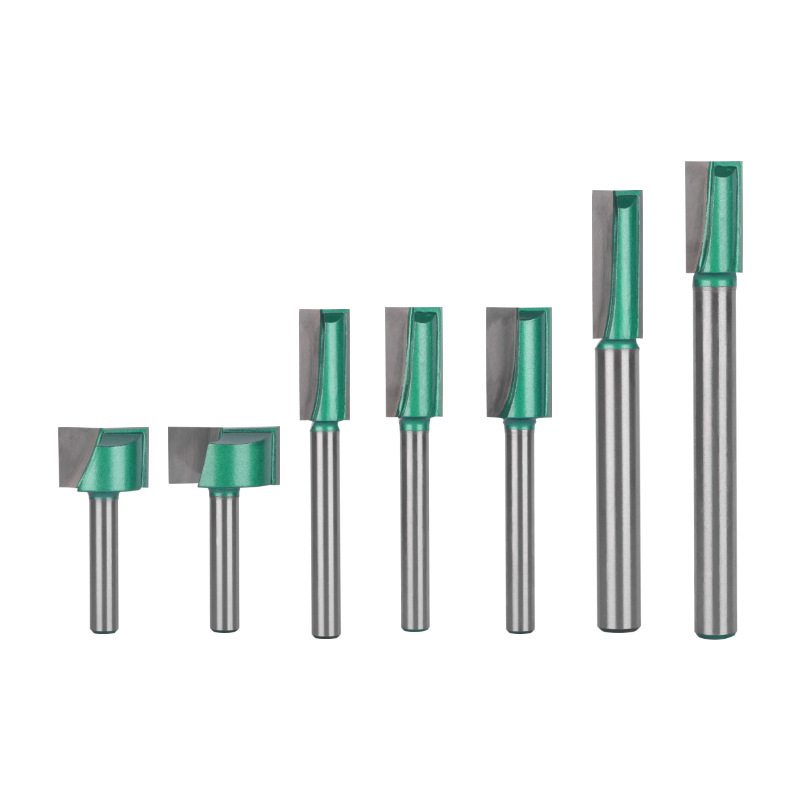
If you route deep pockets often, choose cutters with open flute geometry. A wide gullet throws chips far, and the extraction then collects them. Our range of wood router bits lists flute options for each profile.
A Shop Setup That Works
Start simple, then improve where the mess appears.
- Fit a 2.5 or 4 inch port to the router table fence.
- Add a hood over the cutter for face work.
- Seal the machine housing and the insert ring.
- Run the shortest duct you can manage with the fewest bends.
- Install blast gates and close every branch you are not using.
- Empty the bin before it is half full, because a packed bin kills airflow.
After that, test the result with a handful of shavings. Sprinkle them near the cutter, then watch how quickly they disappear. If any shavings remain, your router bit dust collection is not capturing at the source.
Maintenance Habits
Extraction only works while the system is clean. Therefore, check the hose for blockages each week. Also, wipe pitch and resin from the hood, because a rough surface catches dust.
Furthermore, inspect the filter and clean it on schedule. Beyond that, replace worn brushes on the collector motor before suction drops.
Finally, clean the collet and the spindle area after dusty jobs. Fine dust in the taper is a hidden cause of runout, and it costs you accuracy.
For a complete maintenance routine, compare our router bits care notes with your own checklist.
FAQ
Where should router bit dust collection start? Start at the fence port, because that is where most chips leave the cut.
Can I use a shop vacuum instead of a collector? Yes for short jobs. However, a vacuum moves less air and fills quickly.
Does extraction really extend bit life? Yes. Cooler edges hold their sharpness far longer in daily work.
Treat router bit dust collection as part of the cut, and both the finish and the tool will thank you.