


Blog
Wood Router Bits: Choose 3-Flute Bits for Clean Grooves

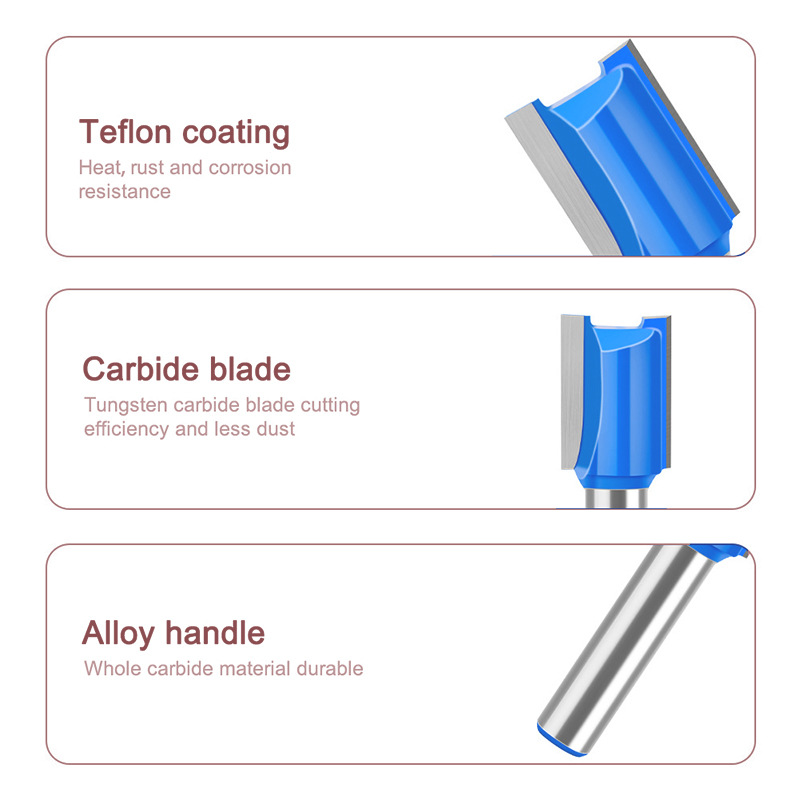
Choosing the right wood router bits decides how fast you cut and how clean the result looks. Many woodworkers focus on the machine, yet the bit does the real work. In grooving and carving, flute count is one of the most overlooked details. This guide explains why a three-flute straight bit earns a place in your shop, how it works, and how to run it safely for better efficiency and precision.
Why Flute Count Matters When You Pick Wood Router Bits
Most beginners reach for a standard two-flute bit without a second thought. However, the number of cutting edges changes the entire cut. More flutes share the load, so each edge removes less material per turn. As a result, the bit runs cooler and the surface stays smoother. When you compare bits, flute count should sit near the top of your checklist, right beside shank size and cutting diameter.
Three-Flute Design: How It Works
A three-flute straight bit carries three independent cutting edges arranged in a spiral around the body. Because the edges are spaced evenly, the tool meets the wood three times per revolution instead of two. This balances the side forces and cuts vibration. In addition, the spiral shear angle lifts chips upward, which keeps the groove clean. Compared with a two-flute bit, this design raises material removal by roughly 30% in the same pass, yet it does so without extra vibration—that is the main reason shops switch. The bit uses a standard cylindrical shank that fits the collets of most trim routers and engraving machines, so setup stays simple. Its extended body also reaches deeper grooves without repositioning the workpiece.
Speeds, Feed, and Wood Hardness
Speed control protects both the bit and the wood. For softwoods such as pine, run the spindle at about 18,000–22,000 RPM. On the other hand, hardwoods like oak need a slower 12,000–15,000 RPM to avoid overheating the edge. Therefore, always match speed to the material before you start. Feed rate matters too: a steady, moderate feed lets the three flutes shear cleanly, while a jerky feed invites chatter. An uncoated bit depends on moving chips for cooling, so pause to clear dust when a groove runs long.
Where Three-Flute Bits Shine
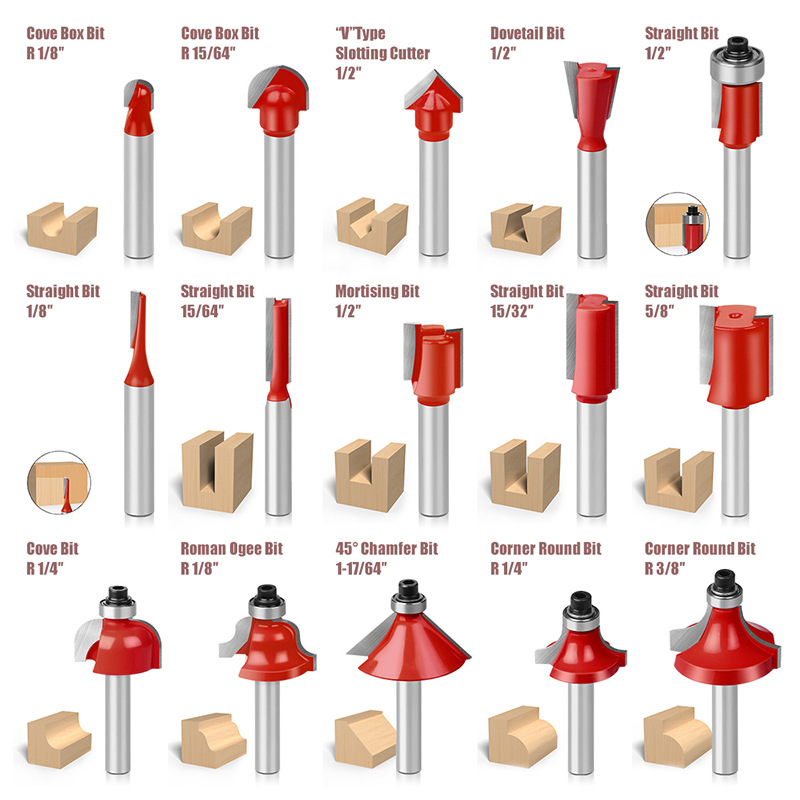
These bits excel at straight grooving, curved carving, and edge trimming. For example, in furniture making they cut drawer-guide slots with a consistent wall. Similarly, in decorative work they shape wooden moldings without tearing the grain. Because the three edges split the cut, you get fewer burrs and a cleaner groove bottom. The extended length is especially useful on boards thicker than 2 cm, where a standard bit would need a change mid-job; here you complete the through-groove in one pass. In sign making, the same bit carves letter recesses cleanly, which saves sanding time later. If you want to compare options side by side, browse our full range of wood router bits before you decide.
Choosing the Right Bit and Material
Edge material matters as much as flute count. High-speed steel (HSS) suits softwood and light duty, while solid carbide handles hardwood and composites without dulling fast. Carbide also resists the abrasion of MDF and melamine, two materials that dull HSS quickly. Above all, check the grinding precision; a true-running bit is safer and quieter. When a project needs unusual slots or patterns, combine several bit sizes rather than forcing one tool to do everything. A three-flute bit is a specialist, not a replacement for your whole set. For a deeper look at matching tools to tasks, see the wood router bits selection guide on our site.
Care and Maintenance
An uncoated bit costs less, but it asks for routine care. First, blow out chips after every session so residue cannot blunt the edge. Next, store bits away from hard objects that could nick the flutes. Then, touch up the edge on an oilstone at a 25°–30° angle once cuts start to brown the wood. Finally, keep a small, sharp set of wood router bits ready so production never stalls while one tool is off for sharpening.
- Do – clear chips often and keep bits in individual sleeves.
- Don’t – force a dull bit; sharpen it before the wood burns.
- Check – spin the bit by hand to feel for runout before each run.
Final Thoughts
A three-flute straight bit is a quiet upgrade that pays back in speed and finish quality. Read the wood, set the right speed, and maintain the edge, and wood router bits like this will deliver clean grooves job after job. For daily grooving, this one change often beats buying a bigger machine. Consistency, not variety, keeps a workshop efficient.











