


Blog
Solid Carbide Helical Wood Router Bits: Structure, Performance and Application Guide

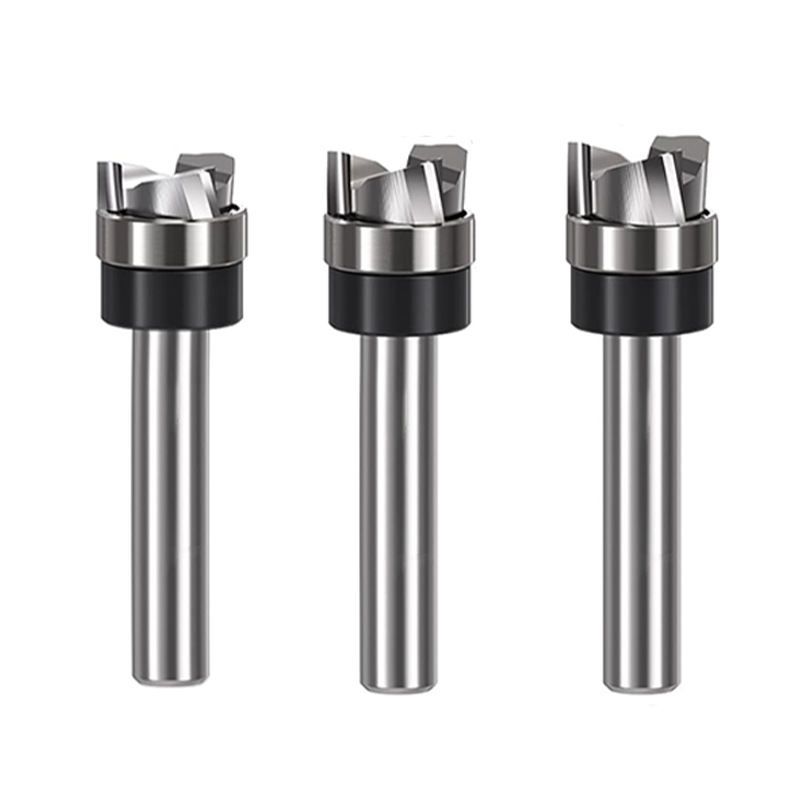
Solid carbide helical router bits are modern high-performance cutting tools used across woodworking, furniture and CNC machining. With an integrated one-piece carbide body and continuous helical edges, they beat straight-flute cutters in stability, finish and efficiency. This guide analyzes the structure, performance and application of solid carbide helical router bits. Learn how a helical wood cutter adapts to many materials and complex jobs. Browse our complete wood router bit collection to match the right tool to your project.
Core Structural Features of Solid Carbide Helical Router Bits
Unlike welded bits, solid carbide helical woodworking bits use an integral one-piece process. The cutting edge and body form from high-purity solid carbide. This design removes loose assembly gaps and deformation. It gives superior rigidity and wear resistance at high speed. The main cutting section uses a continuous helical flute. That flute is the core reason for stable, precise cutting. Standard helical wood bits have cutting edges from 15 mm to 75 mm. Shorter edges give higher rigidity for thin workpieces and plastics. Longer flutes suit deep grooves and thick material in one pass.
Key Performance Advantages and Processing Characteristics
First, they support high-speed and high-feed machining. The spiral flute forms a smooth chip channel. It discharges sawdust quickly without accumulation. This keeps a fast, stable feed and lifts production efficiency. Second, the helical edge produces cleaner surfaces with less heat and burning. Its shearing action leaves smoother walls than straight cutters. Third, the tool adapts to a wide range of materials. It processes softwood, hardwood, MDF, particle board, veneer, fiberglass, plastics and thin aluminum. This universal use cuts tool-change costs. A solid carbide helical router bit holds a sharp edge far longer than HSS. It is worth noting that high feed creates strong cutting thrust. You need higher clamping force to hold workpieces tight. Vibration can otherwise cause displacement and errors. The helix direction sets chip discharge and surface effect. Choose the right helix for each job.
Classification of Helical Milling Types
Up-Cut (Positive Helix) Bits
Up-cut helical bits pull chips upward along the flute. They clear chips fast from deep grooves and through-cuts. This makes them ideal for blind holes, slots and bottom-side finish work. The upward pull can lift or tear the top surface on veneers.
Down-Cut (Negative Helix) Bits
The spiral edge presses chips downward, which suppresses upper surface tearing and ensures flawless finish on the workpiece surface. It is the preferred choice for veneer panels, decorative surfaces and high-precision appearance processing, but requires good bottom chip discharge conditions.
Compression Bits
Compression bits combine up-cut and down-cut flutes in one tool. The top cuts down while the bottom cuts up. This balances forces and prevents tear-out on both faces. They are ideal for plywood and laminated panels with clean double-sided edges.
Standard Application Guidelines for Helical Router Bits
Equipment Adaptability
These versatile bits fit CNC machining centers, point-to-point cutters, engraving machines and handheld routers. They suit automated batch production and small manual jobs. A helical wood cutter works equally well on both setups.
Tool Path Planning
Prioritize linear cutting and large-radius arcs to use high-speed efficiency. Reduce sharp turns and short reciprocating paths to prevent wear and unstable cutting. Good planning protects the edge and keeps finish consistent.
Conclusion
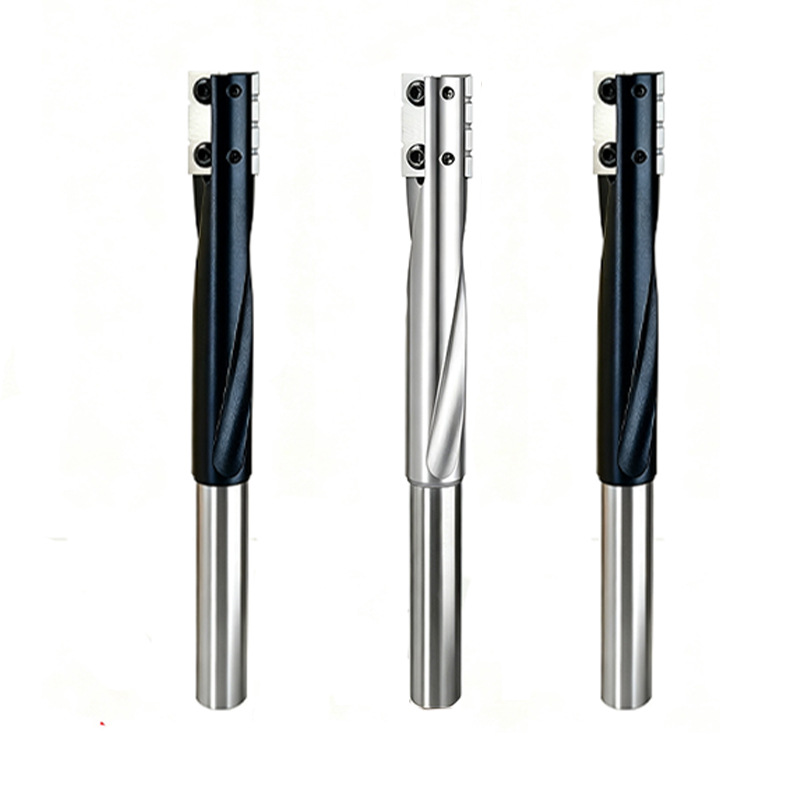
Solid carbide helical router bits deliver rigid, efficient and clean cutting for modern woodshops. Match the helix type, edge length and clamping setup to your material. Apply these rules to extend tool life and improve finish. Explore our professional helical router bit range for CNC and handheld use.
FAQ
Which helical bit is best for veneer panel trimming?
Compression combination bits or down-cut negative helix bits are ideal, which effectively prevent surface tearing and ensure burr-free double-sided finish.
Why do helical bits require strict workpiece clamping?
High-speed and high-feed cutting produces strong cutting thrust. Firm clamping prevents workpiece displacement and vibration-induced processing errors.











