


Blog
How to Select the Right Router Bits for Your Woodworking Projects

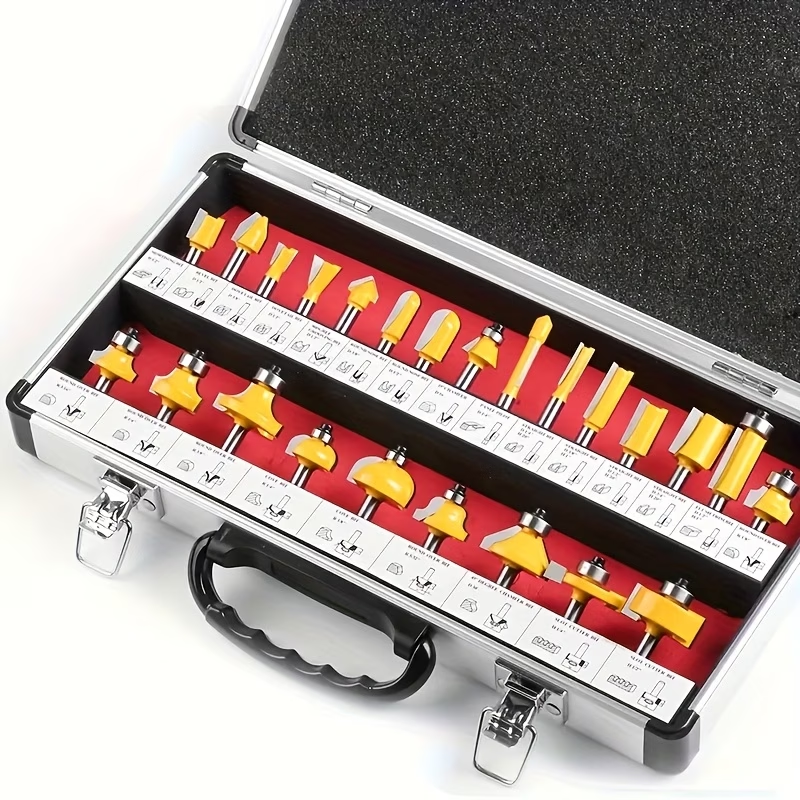
Choosing the correct router bit is foundational for crisp, precise cuts in wood, plastic and light metal. With hundreds of router bit profiles on the market, each built for unique tasks, many woodworkers struggle to match the right cutter. This practical guide explains woodworking router bit selection across material, speed, shank and cutter quality. Whether you use a handheld plunge router or a table-mounted router, these rules help you avoid burnt edges, tear-out, vibration and premature wear while improving finish and safety. Browse our wide range of wood router bits to compare profiles before buying.
Woodworking Router Bit Selection: Match Bits to Workpiece Material
Workpiece material is the main factor in your router bit choice. Router cutters use distinct geometries made for specific substrates. These include solid wood, plywood, plastics and thin metals. Material hardness and density set the needed cutting aggressiveness. Soft timber works with less aggressive profiles to limit grain tear-out. Dense hardwoods and abrasive panels need heavy-duty bits. Use rigid cutting edges to keep clean cuts under high load. Always align your bit design with the material before routing. Smart woodworking router bit selection starts with the substrate you cut.
Spindle Speed and Feed Rate Guidelines for Router Bits
Match your router RPM to the bit maker’s recommended speed range. This affects cutting quality and tool life. Excess speed burns wood and dulls edges fast. Low RPM causes vibration that damages bit and workpiece. A simple rule works well: small bits use higher RPM, large bits need slower speed. The table below shows general maximum RPM values. Always check the official specs on your bit.
| Bit diameter | Max RPM |
| Up to 1 inch (25.4 mm) | 22,000 – 24,000 RPM |
| 1 to 2.5 inches (25.4 – 63.5 mm) | 16,000 – 18,000 RPM |
| 2.5 to 3 inches (63.5 – 76.2 mm) | 12,000 – 14,000 RPM |
| Over 3 inches (76.2 mm) | 10,000 RPM or lower |
Routers are variable-speed or fixed-speed. Fixed-speed models run near the upper limit and suit small bits. Large cutters need reduced RPM and proper speed control. Feed rate is the speed you move the router through material. It matters as much as spindle speed. Too fast overloads the motor and leaves defects. Balance RPM and feed rate to avoid burning. Confirm if your bit is for handheld or table routers only.
Router Bit Shank Size and Compatibility Rules
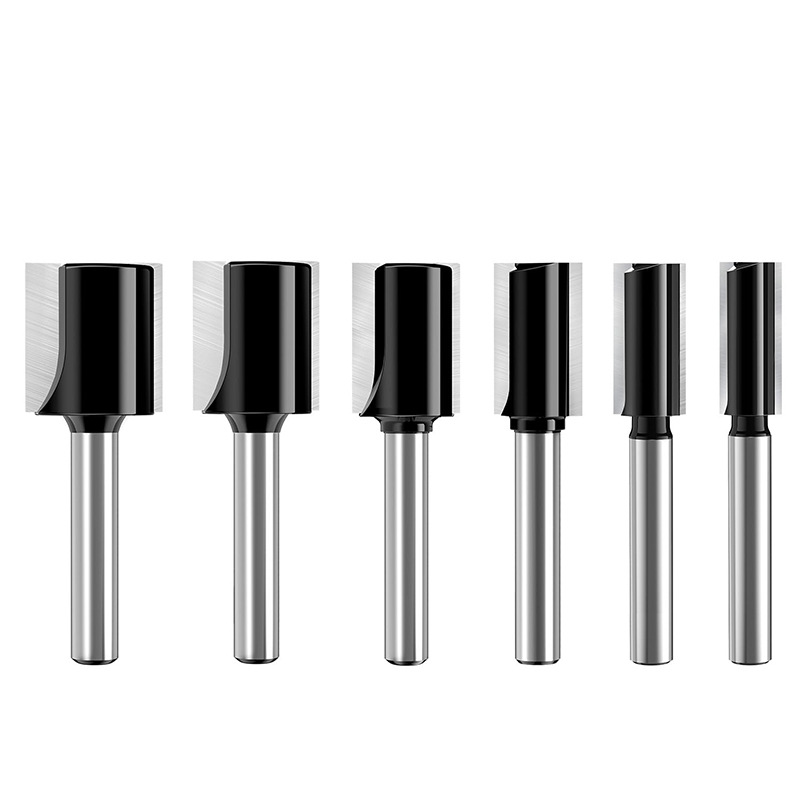
Check the shank diameter fits your router collet before buying any bit. North America uses two main sizes: 1/4 inch and 1/2 inch. Not every router supports both. Compact trim routers take only 1/4-inch shanks. Plunge routers accept both via reducing collets. These adapt a 1/2-inch opening down to 1/4-inch shanks. Motor horsepower decides if you can drive 1/2-inch bits safely. Bigger cutters need more power for stable work. Right shank choice removes compatibility problems and ensures secure clamping. The 1/2 vs 1/4 flush trim bit shows how shank size affects rigidity.
Carbide vs HSS vs Low-Carbon Steel Router Bits
Bit body and edge material set durability, heat resistance and life. Carbide-tipped bits give top wear resistance and long life. They suit heavy workloads and frequent use. Carbide edges stay sharp 10 to 25 times longer than steel. They tolerate higher cutting temperatures and fast RPM. Their hardness makes them brittle and prone to chipping on impact. HSS bits fit where cost matters and heavy wear is not needed. HSS keeps hardness at high heat but cuts slower than carbide. A key plus: you can resharpen HSS edges many times. Budget sets often use low-carbon steel. It is tough but softer and wears faster. Low-carbon bits suit only light work on softwood and some plastics.
How to Evaluate Router Bit Quality
Price is a general sign of bit quality. Higher cost usually returns better long-term performance. Beyond price, inspect edge hardness and material quality. Check the dynamic balance of the whole bit. Strong woodworking router bit selection reviews edge quality and balance together. Daily users need strong durability. Bits you can resharpen keep performance and extend life. Balanced build affects cut smoothness. Poor balance causes vibration, rough surfaces and extra sanding.
Conclusion
Good woodworking router bit selection weighs many linked factors. These include material, speed limits, feed rate, shank-collet fit and cutter grade. Match your bit to your router and project material. This protects tools, prevents damage and delivers cleaner routing. Our professional router bit buying guide helps you compare options with confidence. Apply these rules and pick suitable router bits for every woodworking project.
FAQ
What router bit RPM should I use for large diameter cutters?
Router bits over 3 inches should run at 10,000 RPM or lower. Larger bits create greater centrifugal force and require slower spindle speeds to reduce vibration and overheating.
What is the difference between 1/4 inch and 1/2 inch router bit shanks?
1/2-inch shanks deliver greater rigidity and less deflection for heavy cuts, while 1/4-inch shanks are standard for compact trim routers. Reducing collets allow plunge routers to accept both sizes.
Are carbide router bits better than HSS bits?
Carbide bits stay sharp far longer for frequent heavy use. HSS bits cost less and can be resharpened, fitting light-duty, occasional woodworking tasks.
Why is feed rate important when routing wood?
A properly adjusted feed rate prevents motor overload, workpiece burning and poor surface finish. Moving the router too quickly prevents clean shearing of wood fibres.











