


Blog
7 Hidden Reasons Why Wood Router Bits Break Easily (With Practical Solutions)

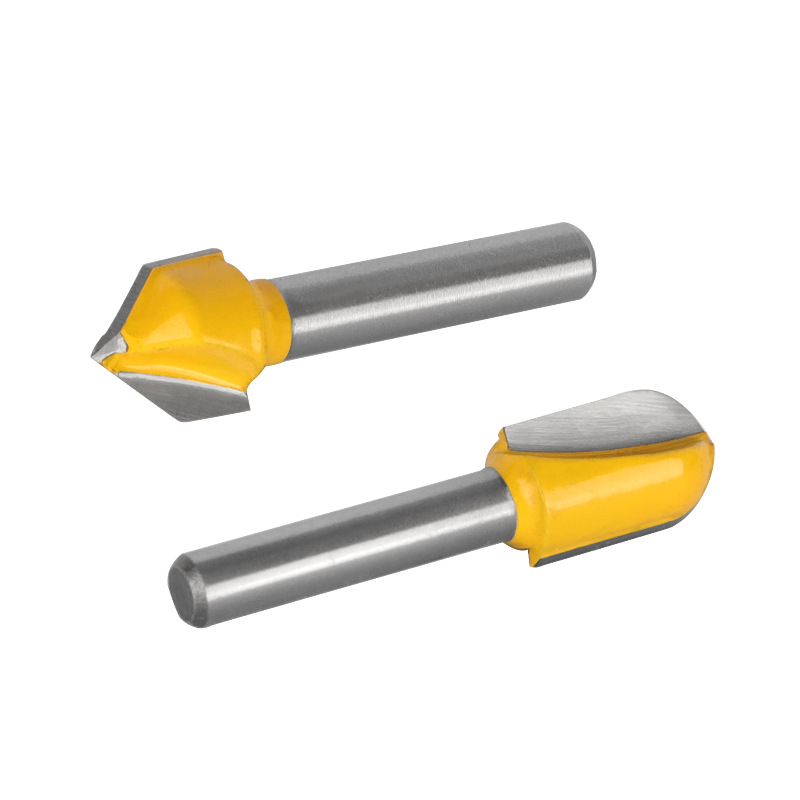
Troubleshoot frequent router bit breakage and extend tool life in woodworking processing
Frequent breakage of woodworking router bits is a common headache for CNC engraving and trimming operations. Most tool failures are not caused by poor bit quality, but by easily overlooked operating and equipment issues. Mastering these hidden causes can effectively reduce tool loss and improve processing stability.
Tool runout is the primary cause of fracture. Excessively long cutting edges will lead to unbalanced cutting force. The optimal rule is to choose a bit whose cutting edge exceeds the board thickness by no more than 1/4 inch to ensure stable cutting rigidity. Worn or damaged collets are another key factor. If vibration lines appear on the tool shank, replace the collet immediately to avoid shaking-induced bit breakage.
Improper locking torque also triggers tool failure. Excessively tight collet nuts easily crack the shank. It is recommended to use a positioning tool and torque wrench for standardized locking. Overheating is easy to ignore during continuous processing. Overheating marks on chip flutes indicate unreasonable cutting load, which requires adjusting spindle speed and feed rate to reduce single-edge pressure.
Workpiece displacement will cause instant tool fracture. Optimizing vacuum adsorption fixing can effectively solve this problem. For grooving and sinking processing, overhanging tool tips bear excessive load, so choose the shortest possible bit. In addition, slipping in the collet will damage the tool repeatedly. Replacing ordinary nuts with bearing collet nuts can firmly fix the bit and eliminate slipping failure.