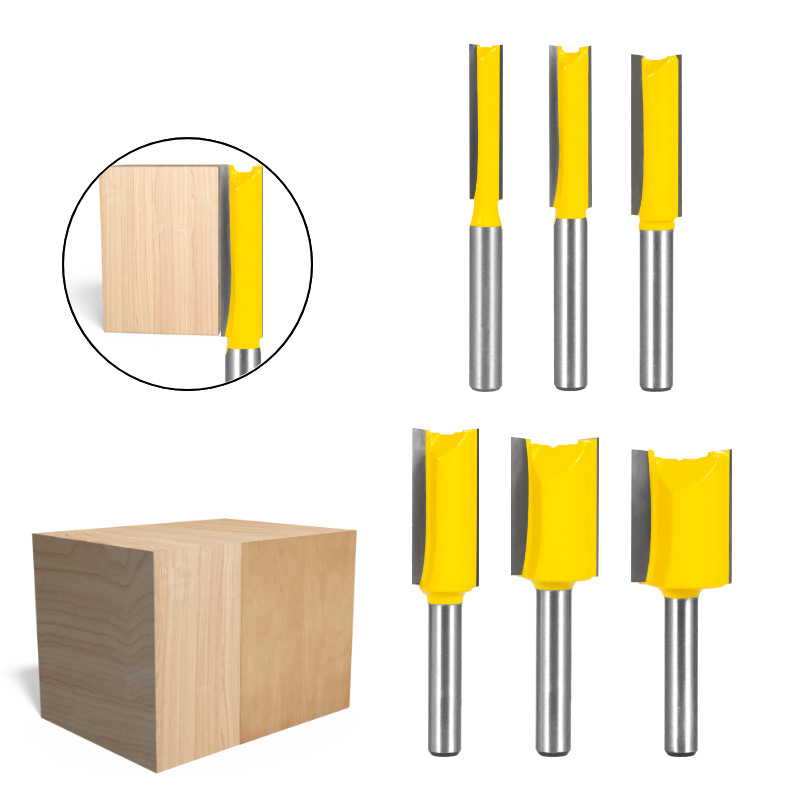
Standard selection workflow and critical misconceptions every woodworker must avoid
Most router bit failures and poor wood finishes stem from blind selection and operational misconceptions, not tool quality defects. A standardized 5-step selection process and avoiding five typical mistakes can help woodworkers pick the optimal cutter for every project, reducing waste and rework costs.
The scientific 5-step selection method covers all key factors. First, confirm workpiece materials to determine carbide grade and rake angle. Second, clarify processing crafts like grooving, trimming or tenoning to select bit type. Third, match tool structure based on precision and output demands. Fourth, align shank diameter and RPM with machine spindle parameters. Fifth, choose the right coating according to wood resin content.
Five common misconceptions cause huge losses. Higher RPM does not equal higher efficiency; excessive speed burns wood and wears blades faster. Carbide bits require regular sharpening after 200–500 meters of cutting to maintain cutting performance. Overly sharp edges cause fiber tearing on glued boards, requiring proper edge passivation.
Larger-diameter bits do not guarantee better rigidity; insufficient spindle power leads to severe vibration. Dynamic balance is critical for high-speed routing above 18000 RPM, requiring G2.5 balance grade. Standardized selection and error avoidance maximize tool efficiency and processing stability.