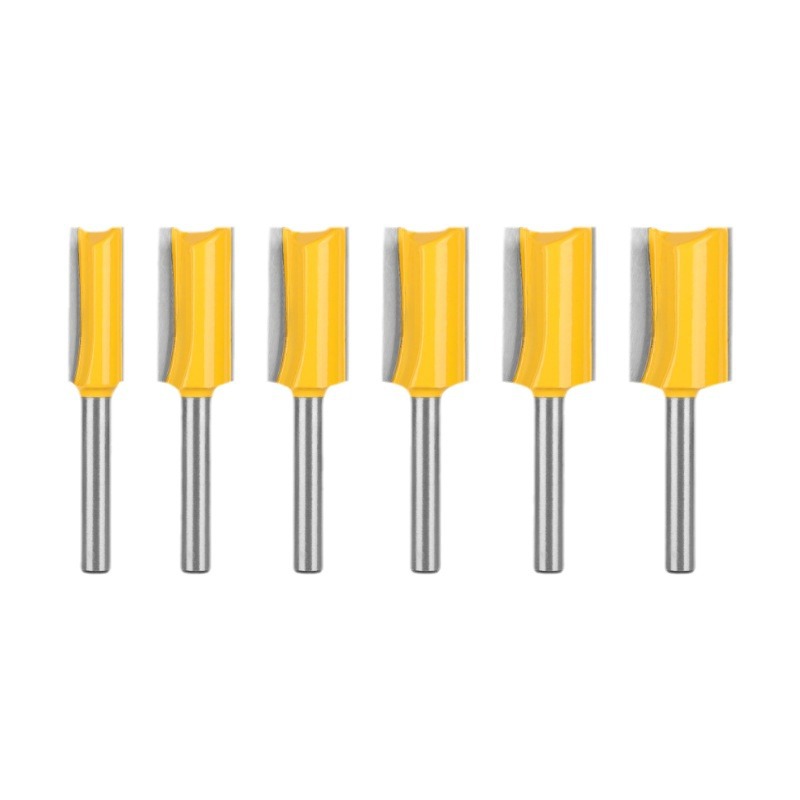
Power selection guide for beginner DIY, home decoration and industrial production
Choosing a wood router with suitable power according to processing scenarios is the key to balancing construction efficiency, processing quality and cost. Blindly pursuing high power or using underpowered equipment will affect the final woodworking effect and tool service life.
For beginners, home decoration and simple furniture production, low-power routers below 1000W are sufficient for basic trimming, shallow grooving and edge shaping. Yet these models have limited load capacity, small single cutting stock removal and low feeding speed, not suitable for long-time heavy-duty processing. Users need to control cutting allowance and feed speed, and use sharp carbide bits to make full use of limited power.
For batch furniture production, thick wood grooving and large-area milling, high-power routers above 1800W are essential. Equipped with 1/2 inch large collets and thick-shank cutters, they feature strong rigidity, stable load speed and high cutting efficiency, adapting to fast feed and deep cutting operations. Their low speed fluctuation effectively avoids tool marks and ensures consistent workpiece finish.
In actual operation, reasonable cooperation of equipment power, cutter shank specification and processing parameters can reduce tool wear, avoid processing errors, and maximize the working performance of wood routers and milling cutters.