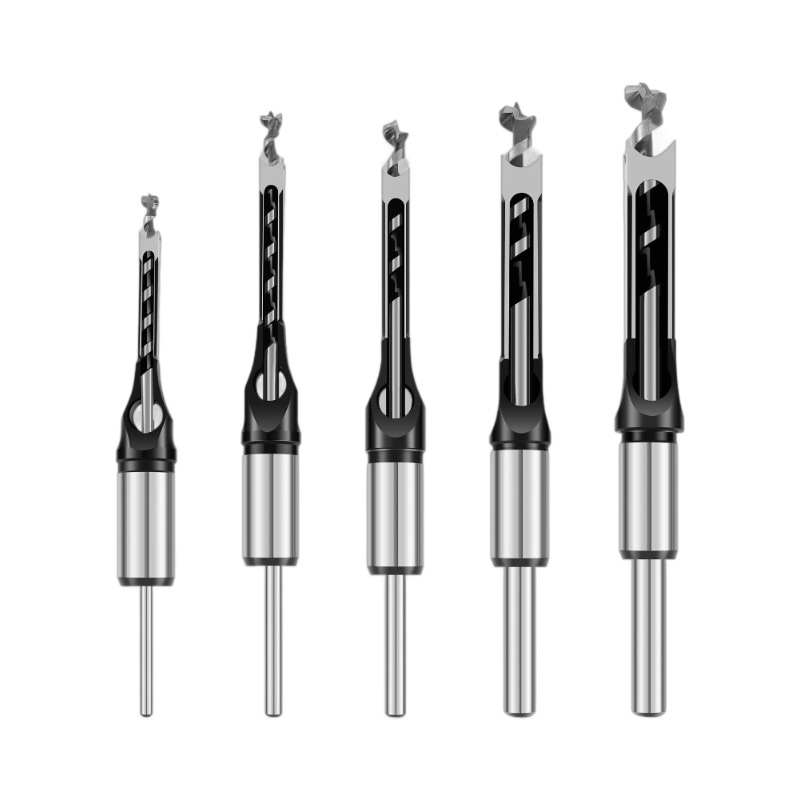
Core selection rules for CNC wood milling tools matching different materials and processing techniques
Selecting suitable CNC wood router bits is the premise of high-efficiency and high-precision wood processing. Many woodworking manufacturers face poor cutting effect and easy tool wear due to mismatched tools. Matching router bits according to workpiece materials and cutting operations is the most basic and critical selection principle.
Different wood materials require exclusive tool geometry and tool materials. Soft wood and ordinary plywood are suitable for standard double-flute straight bits, which feature fast chip removal and high feeding speed. Hard wood, density board and composite wood need tungsten carbide tools with wear-resistant coating to avoid edge collapse and tool abrasion. For special materials such as plastic and acrylic, sharp polished cutter bits can ensure smooth cutting surface.
Cutting operations also determine tool selection. Rough machining focuses on rapid material removal, so large-diameter double-flute bits are the best choice to improve processing efficiency. Finish machining and edge trimming require multi-flute tools to optimize surface flatness. For complex engraving, 3D profiling and pattern carving, special modeling bits and V-shaped bits are essential to realize detailed processing.
Reasonable matching of tools with materials and processing techniques can effectively reduce cutting vibration, avoid workpiece damage, extend tool service life, and help enterprises improve processing quality and production efficiency in long-term CNC woodworking production.