Blog
3-Flute Slotting Bit: The Straight Router Bits Guide


A 3-flute bearing-guided slotting bit is a handy tool for cabinet and furniture work. It belongs to the straight router bits family. Unlike a plain straight cutter, it pairs three balanced flutes with a pilot bearing. The bearing rides the workpiece and sets a consistent groove depth. The result is a clean, uniform 1/4-inch-wide channel that fits standard 1/4-inch panels. For example, use it in frame-and-panel assemblies for tight, gap-free joints. This guide explains how the tool works and where it pays off. We also show how to run it safely for repeatable results.
What Is a 3-Flute Bearing-Guided Slotting Bit?
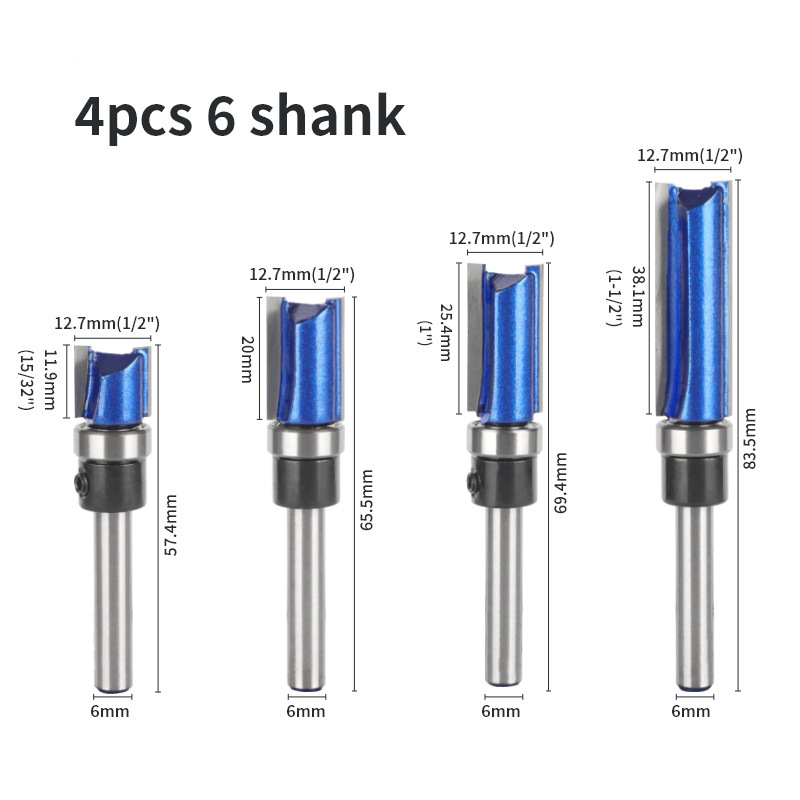
A slotting bit is also called a rabbeting cutter. It carves a precise channel of a fixed width into wood edges and faces. This version uses three cutting flutes and a 1/4-inch kerf. Each pass removes a narrow, even strip rather than a wide swath. The pilot bearing sits at the top of the cutter. It follows the material surface, so groove depth stays constant without measuring. In addition, the bearing is interchangeable. Swap to a larger or smaller one to change depth without buying a new bit.
Why Choose a Three-Flute Design?
Two-flute cutters are common, but a three-flute layout offers real advantages for long grooves. First, the extra flute spreads the cutting load. This reduces vibration and chatter on extended runs. Second, three edges clear chips faster. The result is a smoother wall with fewer burn marks. Finally, the balanced geometry keeps the bit steadier at high rpm. Edges stay crisp even on end grain. For shops that cut many frame members daily, that stability means far less sanding.
Core Applications: Frame-and-Panel and Rabbets
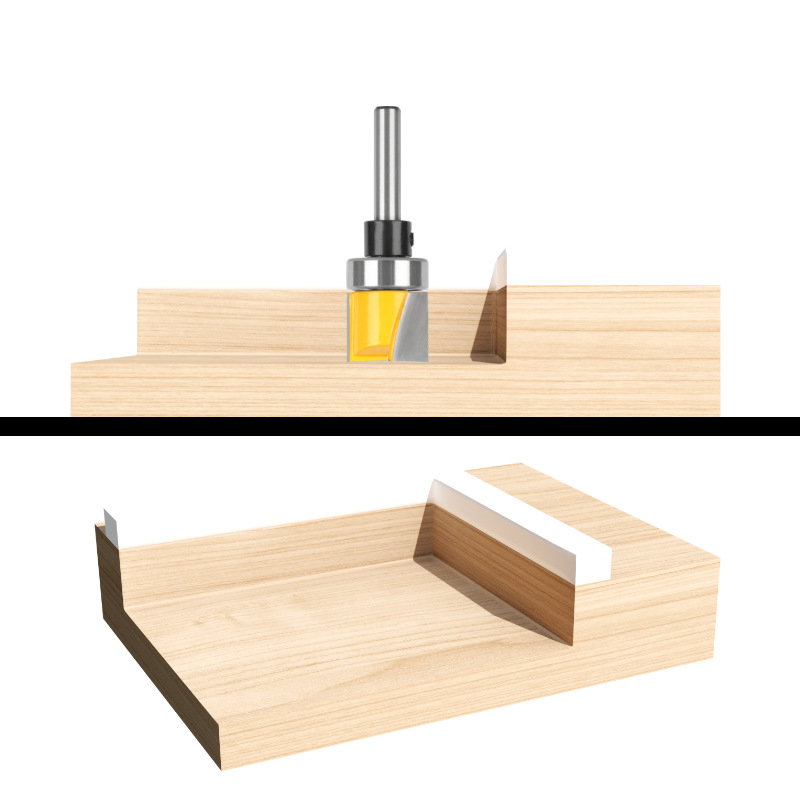
The most common job is the frame-and-panel groove. You cut a 1/4-inch slot on the inside edge of a rail or stile. Then you drop in a 1/4-inch panel for a solid, gap-free door. The same bit also handles rabbets. You trim the back edge of a board to accept a secondary panel or back. On wall posts and decorative trim, it carves shallow accent grooves. These read as intentional detail, not accidental scratches. Within the straight router bits group, the three-flute slotting variant stands out for this panel work. One bit covers several joinery tasks. That lowers the number of tools you must change during a project.
How Straight Router Bits Compare to T-Type Router Bits
Many woodworkers ask if a 3-flute slotting bit is a T-slot cutter. It is not. A standard straight router bits setup uses a bearing-guided slotting cutter. It makes a simple through or stopped groove with a flat or round bottom. By contrast, a T-type router bit cuts a T-shaped channel. The undercut lip hides a panel or connector. If your assembly needs a hidden T-slot, browse our T-type router bits category for purpose-built cutters. For everyday 1/4-inch panel grooves, the 3-flute bearing-guided bit is faster. It is also easier to set up. You can also compare options in our T-type router bits range when a project calls for both groove styles.
Step-by-Step Slotting Operation
Start by securing the workpiece firmly. Install the bit with the correct bearing for your target depth. Wear eye, dust, and hearing protection before switching on. Bring the router to full speed. Then feed along the fence with the grain in smooth, even passes. Keep the bearing pressed against the surface so depth stays uniform. If a thicker panel demands a wider slot, widen it with a second light pass. Do not force the bit. Stop, inspect the groove for clean edges, clear the chips, and return the tool to storage.
Common Problems and Fixes
| Problem | Likely Cause | Fix |
|---|---|---|
| Uneven groove depth | Bearing loose or unsteady feed | Retighten the bearing; feed at a steady pace |
| Torn or chipped edges | Feed too fast or dull bit | Slow the feed; install a sharp cutter |
| Slot too narrow | Single pass or thick panel | Take extra passes to widen the slot |
| Excess vibration | Loose collet or poor clamping | Retighten the collet; clamp the stock |
Frequently Asked Questions
When should I use straight router bits instead of a rabbeting bit?
Reach for plain straight router bits when you need a simple groove. You can adjust its width and depth freely. Choose a bearing-guided rabbeting or slotting bit for a fixed 1/4-inch kerf. The bearing controls depth and keeps it repeatable.
Can I cut thicker panels with a 1/4-inch kerf bit?
However, you cannot cut it in one pass. A 1/4-inch kerf matches 1/4-inch panels directly. For thicker material, take several shallow passes. Widen the slot gradually.
Why does my bit vibrate?
Vibration usually means the collet or bearing is loose. It can also mean the stock is not clamped. Tighten everything and confirm the workpiece cannot shift during the cut.
Conclusion
A 3-flute bearing-guided slotting bit earns its place in any shop that builds frame-and-panel doors. It also suits decorative trim work. It delivers clean 1/4-inch grooves and stays stable through long runs. Depth adapts through a simple bearing swap. Therefore, pair it with quality straight router bits from a trusted source. Follow a careful feed, and you will get consistent joints with far less cleanup.