

Blog
Why Modern Gradient Coating Router Bits Outperform Traditional Cutters in 2026 Woodworking

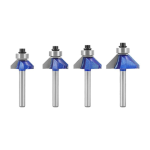
As modern woodworking factories increasingly process high‑abrasive engineered wood materials, traditional uncoated and single‑coating router bits can no longer meet long‑hour continuous production demands. Tool wear, burnt edges, sticky resin and frequent tool replacement have become major factors affecting factory efficiency and product consistency.
In 2026, gradient multi‑layer coating technology has been widely applied in premium carbide router bit manufacturing. Different from conventional uniform coating, gradient coating adjusts material density and hardness from the bottom layer to the surface layer, achieving stronger bonding force, higher heat resistance and lower surface friction. This structure effectively prevents coating peeling during high‑speed cutting and dramatically improves overall tool stability.
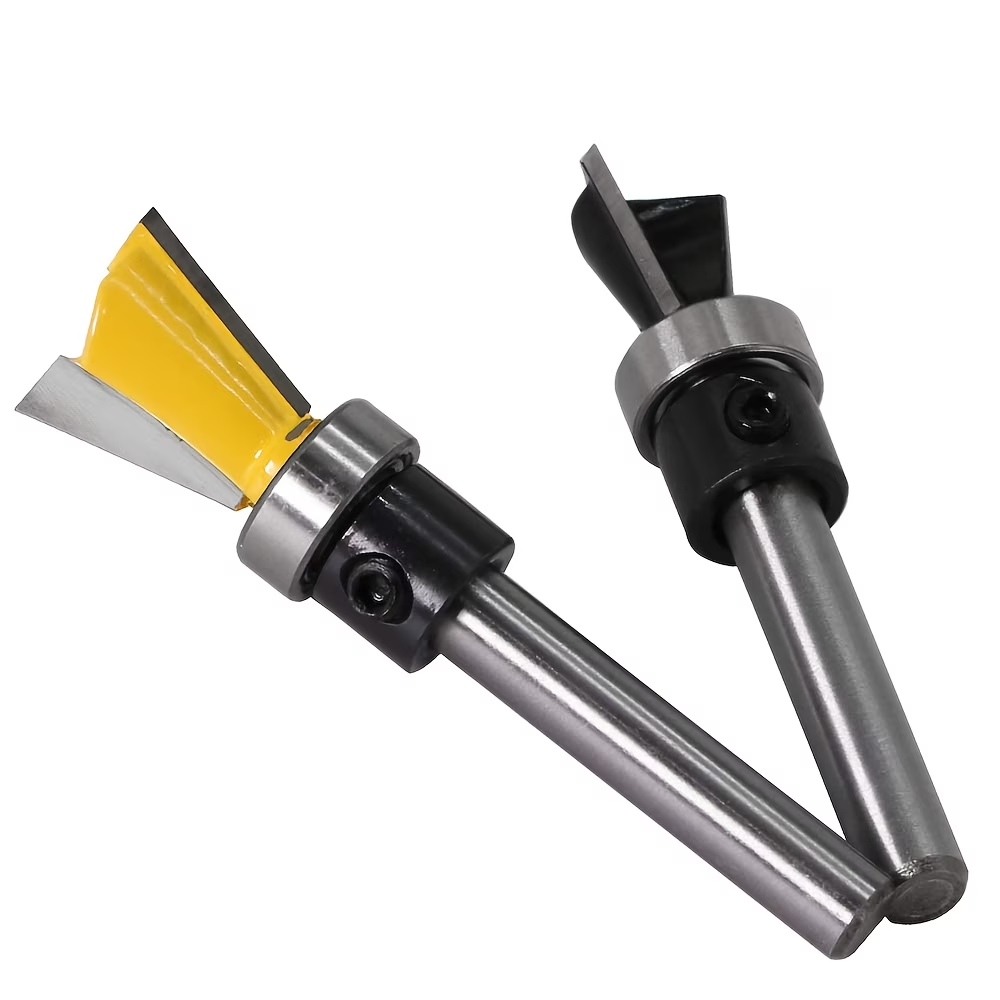
Router bits with gradient TiAlN and CrN coatings show obvious advantages when cutting MDF, particle board, laminated panels and WPC wood‑plastic composites. The smooth nano‑coating surface reduces wood fiber adhesion and resin buildup, allowing workers to extend cleaning intervals significantly. Meanwhile, lower friction minimizes cutting heat, effectively avoiding board burning, edge chipping and tool overheating damage.
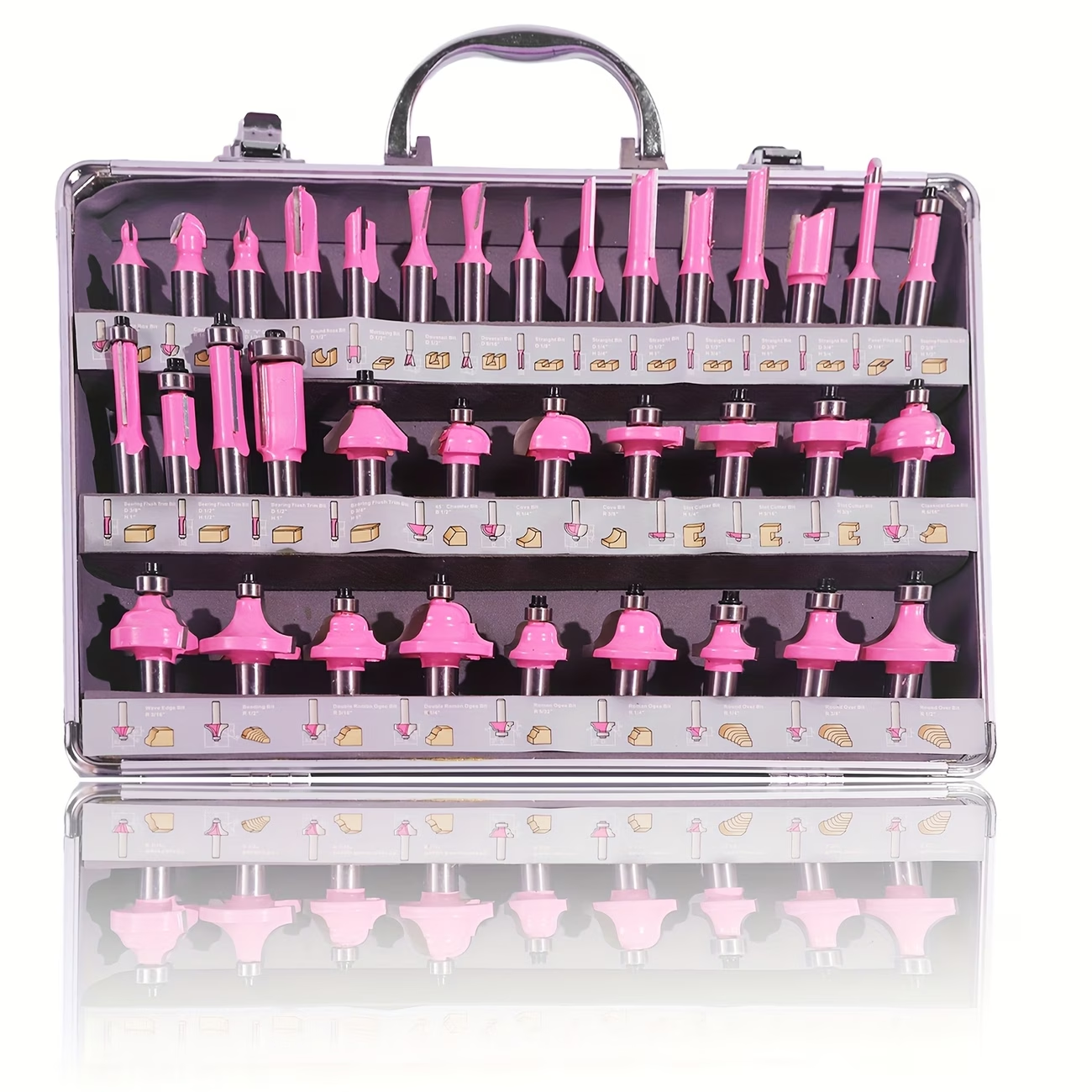
For bulk wholesale buyers and large woodworking manufacturers, gradient coated router bits help reduce tool replacement frequency, lower machine downtime, and stabilize finished product quality. As high‑precision and high‑durability processing becomes the industry standard, gradient coating has evolved from a high‑end option into a mainstream configuration for industrial‑grade woodworking router bits.