

Blog
Smart Tool Matching: How to Choose Router Bits for Different Wood-Based Materials

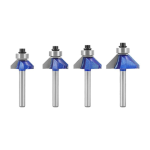
Most woodworking processing problems such as rough edges, fuzzy surfaces, burnt grooves and fast tool wear are not caused by machine errors, but by mismatched router bits and materials. With the diversification of modern woodworking raw materials, simple universal router bits can no longer adapt to all processing scenarios.
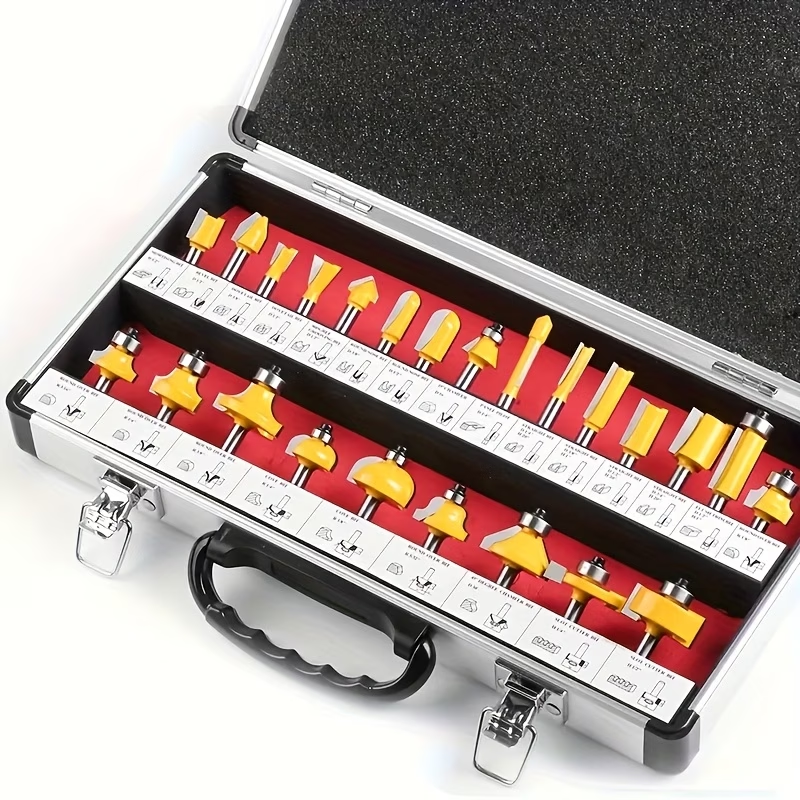
For solid hardwood and softwood, double‑flute straight router bits with polished smooth flutes are the most suitable choice. The smooth chip removal groove ensures fast and clean chip discharge, effectively preventing wood fiber tearing and groove wall burrs, achieving smooth cutting surfaces without secondary polishing.
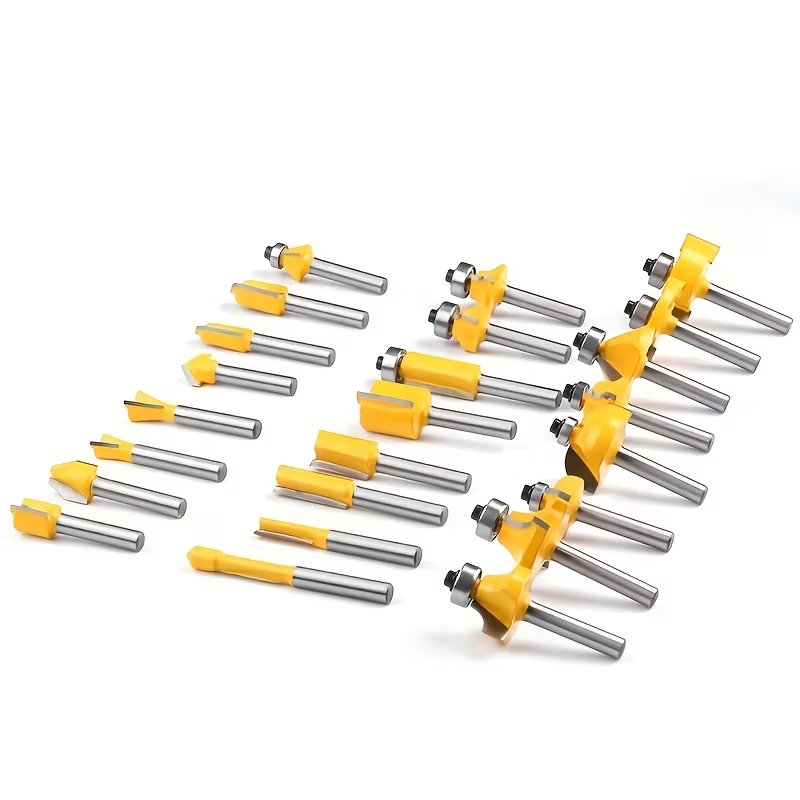
For high‑abrasive artificial boards including MDF, particle board, plywood and laminated boards, coated carbide router bits are essential. Nano anti‑friction coatings reduce heat accumulation and resin adhesion, solving the common problem of easy burning and sticky chips during continuous cutting. For WPC wood‑plastic boards and bamboo fiber boards, high‑hardness thickened edge router bits are recommended to resist abrasive wear and maintain long‑term cutting sharpness.
In industrial batch production, professional material matching can greatly reduce tool loss and defective products. Standardizing router bit selection according to material characteristics has become an important way for modern woodworking enterprises to improve production efficiency and control costs. Professional customizable router bit solutions continue to help global buyers achieve higher‑quality and lower‑consumption wood processing.